Tag: Neuroscience
-

Brain-Computer Interfaces: The Path From Medical Recovery to Human Enhancement by 2050
Brain-computer interfaces are moving from medical recovery tools to powerful systems for human enhancement, raising major questions about ethics, privacy, and the future of human-machine interaction.
-

Adolescent Brain Development and Memory: Scientists Discover Why Your Teen Memories Can Disappear—Then Return
New neuroscience suggests the teenage brain actively remodels memory circuits, temporarily hiding some memories before bringing them back with less detail. Here’s what that means for learning, mental health and growing up.
-

Questioning Reality: A Poetic Exploration of Controlled Hallucinations
What happens when the objects of your life simply vanish, or your memories clash with history? This poem explores the moment we begin questioning reality, moving from Plato’s Cave to the modern “controlled hallucination” of the brain.
-

Longing: Navigating the Landscape of the Unfinished Self
An expansive investigation into the profound human experience of yearning, tracing the contours of the “unfinished self” through the lenses of neuroscience, psychoanalysis, and the cross-cultural wisdom found in concepts like Sehnsucht and Saudade.
-

Default Mode Network: Brain’s Hidden Power for Inner Peace and Creativity
What if your wandering mind isn’t a flaw but a hidden intelligence at work? The Default Mode Network shapes your sense of self, fuels creativity, and holds the key to inner peace. This deep dive blends modern neuroscience with ancient wisdom to explore how embracing mental stillness—and drift—can transform the way you think, feel, and…
-

The Reckoning of Rest: Matthew Walker’s “Why We Sleep” and the Science of Slumber
In an age where sleep has become the casualty of our hyperconnected existence, Matthew Walker’s “Why We Sleep” arrives as both revelation and indictment—a work that transforms our understanding of that mysterious third of our lives we spend unconscious and reveals why our systematic neglect of sleep constitutes nothing less than a public health crisis.
-
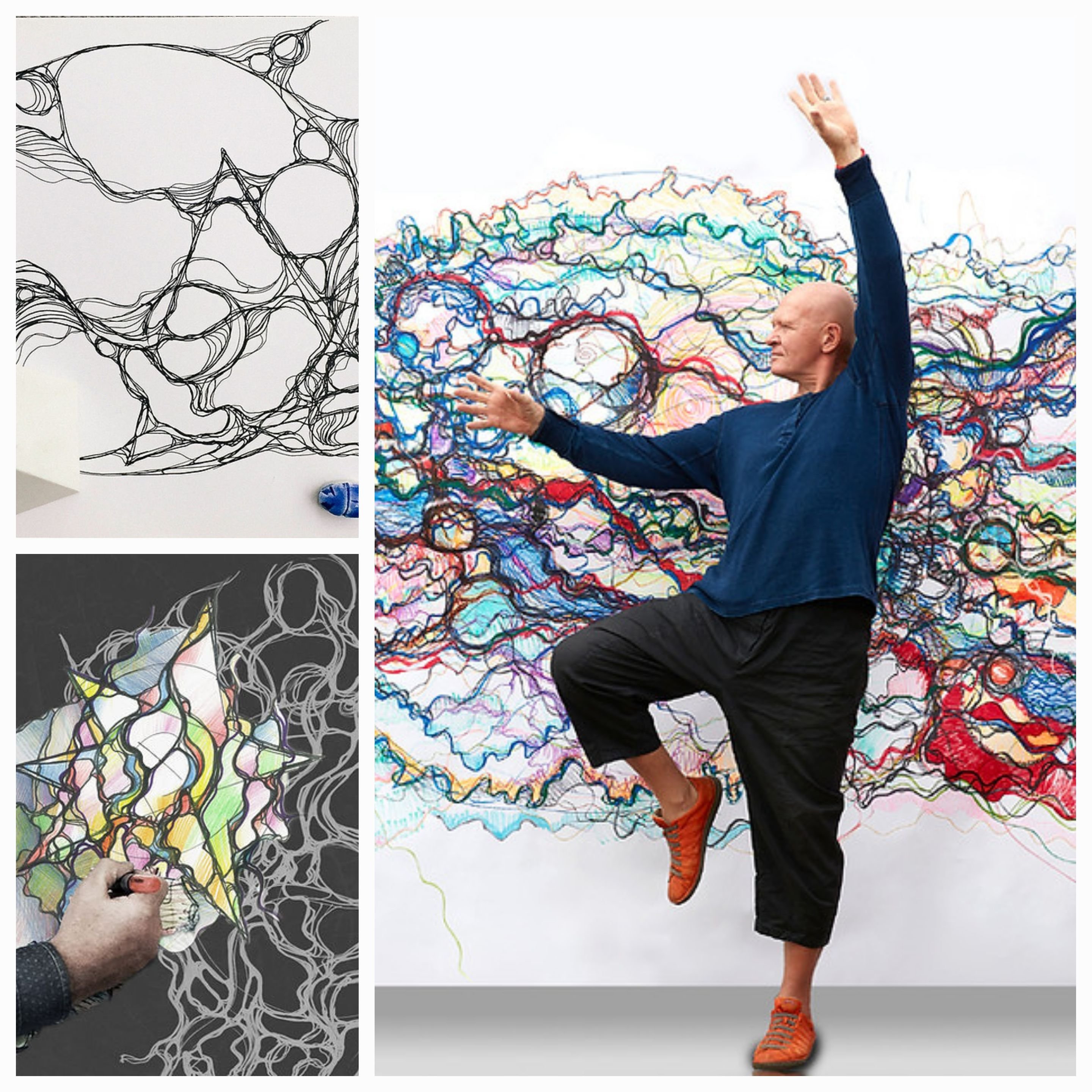
Neurographic Art: The Intersection of Art Therapy, Mindfulness, and Neuroscience
Neurographic art is a unique form of art therapy that combines drawing, mindfulness, and neuroscience to promote relaxation, reduce stress, and foster creativity. Developed by Russian psychologist and artist Pavel Piskarev, this technique involves drawing complex, abstract designs by tracing lines and patterns on paper. By entering a state of mindfulness and relaxation, individuals can…
-

Raising Your Level of Aliveness: Exploring the Various Levels, Philosophies, and Practices for a Vibrant Life
Discover the many levels of aliveness and how to attain them through practices like mindfulness and meditation, while exploring the deep philosophies, stories, studies, and theories that are connected to this concept. By raising your level of aliveness, you can cultivate a deeper connection with yourself and the world around you, leading to a more…
-

Exploring the Distinction between Mind and Brain: A Psychological and Philosophical Perspective
The distinction between the mind and the brain has been a topic of debate for centuries, with no clear consensus on what constitutes the difference between the two. Dualism, materialism, and functionalism are some of the philosophical theories that have been proposed to explain the mind-brain distinction. The psychology behind the distinction is concerned with…