Introduction
The human body and mind are complex systems that work together in tandem. While the mind is often seen as the primary source of memory, research has shown that the body also stores memories. In fact, the body carries substantially more memory than the mind. This article will explore the different aspects, angles, philosophies, and perspectives related to this topic.
The human body and mind are interconnected and interdependent systems that work together to support human functioning and behavior. The body and mind are both necessary for survival and optimal functioning, and they rely on each other to communicate and respond to external and internal stimuli.
The nervous system is the primary means of communication between the body and mind. The brain, which is the control center for the nervous system, receives and processes information from the body’s sensory receptors, such as the eyes, ears, and skin. The brain then sends signals back to the body to initiate motor responses, such as moving a limb or contracting a muscle.
In addition to this basic communication, the body and mind also influence each other in more complex ways. For example, psychological and emotional states can affect physical health, such as stress leading to the release of stress hormones that can impact the immune system. Similarly, physical health issues can impact mental health, such as chronic pain leading to depression or anxiety.
Overall, the body and mind are complex systems that work together in tandem to enable human functioning and behavior. They are interconnected and interdependent, and a holistic approach to health and well-being considers both the body and mind as integral components of overall health.
The Science of Body Memory
The scientific community has long recognized that the body has its own system of memory. This system is known as somatic memory and is responsible for storing information about physical sensations, movements, and experiences. Somatic memory is stored in the body’s tissues, organs, and nervous system.
One of the most well-known examples of somatic memory is muscle memory. This is the ability of the body to remember how to perform certain physical actions, such as riding a bike or playing an instrument, without conscious thought. Muscle memory is stored in the body’s muscles and is accessed through repetitive practice.
Another example of somatic memory is emotional memory. This is the ability of the body to remember emotional experiences, such as fear or pleasure, and to respond accordingly. Emotional memory is stored in the body’s nervous system and can be triggered by specific stimuli.
The Role of Trauma in Body Memory
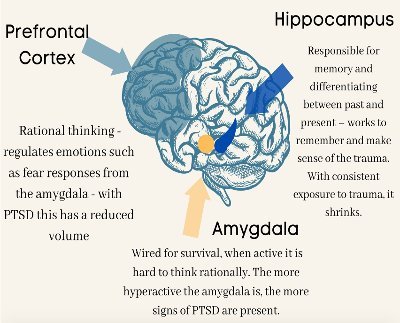
While somatic memory can be beneficial, it can also be harmful. Trauma is one of the most significant factors that contribute to negative somatic memory. Trauma can cause the body to store memories of physical sensations and emotions associated with the traumatic event.
For example, a person who has experienced physical abuse may develop somatic memory that causes them to feel physical pain or discomfort when they encounter certain triggers, such as loud noises or physical touch. Similarly, a person who has experienced emotional abuse may develop somatic memory that causes them to feel fearful or anxious in certain situations.
The Importance of Addressing Body Memory in Trauma Therapy
Given the significant role that somatic memory plays in trauma, it is essential to address body memory in trauma therapy. Trauma-focused therapy approaches, such as somatic experiencing and sensorimotor psychotherapy, focus on helping individuals to access and process somatic memories to reduce the impact of trauma on their lives.
In somatic experiencing, therapists help clients to identify and release physical sensations associated with traumatic experiences. This is done through gentle movements and exercises that allow the body to release tension and trauma. Sensorimotor psychotherapy, on the other hand, focuses on helping clients to rewire their nervous system to reduce the impact of trauma on their lives.
The Relationship Between Body Memory and Mindfulness
Mindfulness is a practice that involves being present in the moment and observing one’s thoughts and emotions without judgment. Mindfulness has been shown to have numerous benefits for mental health, including reducing stress, anxiety, and depression.
Mindfulness can also play a significant role in accessing and processing body memory. By being present in the moment and observing physical sensations without judgment, individuals can become more aware of how their bodies respond to different stimuli. This awareness can help individuals to identify and process somatic memories associated with trauma or other negative experiences.
The Philosophy of Body Memory
In addition to the scientific and therapeutic perspectives on body memory, there are also philosophical perspectives. One such perspective is that the body is not separate from the mind, but rather an integral part of it. This perspective suggests that the body and mind are not two separate entities but rather two aspects of a single system.
From this perspective, body memory is seen as an essential component of overall memory. The body stores physical sensations and emotions associated with experiences, which can be accessed and processed through mindfulness and other therapeutic approaches.
Conclusion
In conclusion, the body carries substantially more memory than the mind. Somatic memory is a complex system that stores information about physical sensations, movements, and experiences. While somatic memory can be beneficial, it can also be harmful, particularly in the context of trauma.
Addressing body memory in trauma therapy is essential to reduce the impact of trauma on individuals’ lives. Mindfulness can also play a significant role in accessing and processing body memory. Ultimately, the perspective that the body and mind are not separate entities but rather two aspects of a single system suggests that body memory is an essential component of overall memory.
Somatic memory and memory are both important components of the human experience, but they are not necessarily in conflict with each other. In fact, they often work together to create a more complete picture of past experiences.
Somatic memory refers specifically to the way the body remembers physical sensations and movements. This type of memory is stored in the body’s tissues, organs, and nervous system. It is often associated with traumatic experiences, as the body may store physical sensations associated with trauma.
Memory, on the other hand, refers to the brain’s ability to store and retrieve information about past experiences. Memory includes both episodic memory, which is memory for specific events, and semantic memory, which is memory for general knowledge and concepts.
While somatic memory and memory are different types of memory, they can work together to create a more complete picture of past experiences. For example, a person may remember the events leading up to a car accident (episodic memory) as well as the physical sensations associated with the accident, such as the impact of the car or the feeling of being jolted (somatic memory).
In some cases, somatic memory and memory may be in conflict with each other. For example, a person may remember an event differently than the physical sensations associated with that event. This can lead to confusion or a sense of disconnection between the two types of memory.

Overall, while somatic memory and memory are different types of memory, they often work together to create a more complete picture of past experiences. While conflicts between the two types of memory can occur, they are not necessarily inherent to the nature of somatic memory and memory.

Leave a Reply