What traditions have you not kept that your parents had?
Navigating Changing Traditions: Embracing Modernity in the Indian Hindu Context
In the rich tapestry of Indian Hindu culture, traditions have played a significant role in shaping the lives of generations. These traditions serve as a thread connecting us to our roots, heritage, and ancestral wisdom. However, as society evolves and individuals embrace modernity, it is inevitable that some traditions may be left behind by subsequent generations. In this article, we will explore the traditions that many of us, as the younger generation, may not have kept, despite their significance in the lives of our parents.
- Arranged Marriages:
One of the most notable traditions that has seen significant changes over the years is the practice of arranged marriages. While this tradition was deeply rooted in our parents’ generation, the current generation is more inclined towards love marriages or marriages based on personal compatibility and choice. Young individuals are increasingly seeking partners who share their values, aspirations, and interests, prioritizing emotional connection and individual agency in the process of choosing a life partner. - Joint Family System:
The joint family system, once a cornerstone of Indian Hindu households, is gradually giving way to nuclear families. While joint families fostered strong bonds, collective decision-making, and support systems, the demands of a rapidly changing world have led to smaller family units. Increasing urbanization, career aspirations, and the need for privacy and independence have influenced the shift towards nuclear families, where individuals can make independent decisions and prioritize their immediate family’s needs. - Traditional Religious Practices:
In the fast-paced modern world, the strict adherence to traditional religious practices has diminished among the younger generation. Rituals like daily puja (prayer), observance of fasting, and temple visits have taken a backseat in the face of busy schedules, work commitments, and changing priorities. While the essence of spirituality remains strong, the mode of expression has transformed, with individuals seeking spirituality through meditation, yoga, and personal introspection. - Dress Code:
Traditional attire, such as sarees and dhotis, that were once commonly worn by our parents and ancestors, have gradually been replaced by more contemporary and Westernized fashion choices. The younger generation often opts for fusion wear or modern outfits that reflect their personal style and global influences. However, on occasions like weddings or religious ceremonies, there is still a strong inclination to embrace traditional attire to honor the cultural significance of these events. - Language and Cultural Practices:
With the rise of globalization and the influence of Western culture, the younger generation is becoming more proficient in English and other international languages. Consequently, regional languages and dialects may not be as fluently spoken or passed down to future generations. Similarly, cultural practices like folk dances, music, and storytelling, which were once integral to our parents’ lives, may be less prioritized by the younger generation.
In the rich tapestry of Indian Hindu culture, traditions have woven a vibrant and intricate pattern, interlacing the lives of generations past, present, and those yet to come. Like the threads of a cosmic loom, these traditions have nurtured, guided, and influenced individuals and communities, imparting a sense of identity, values, and purpose.
From birth to death, virtually every important milestone and daily activity in the lives of Hindus is intertwined with tradition. Each tradition holds within it an essence that connects us to our roots, reminding us of our collective heritage and ancient wisdom. These rituals and customs are ingrained in the very fabric of our existence, serving as a sanctuary of solace and a source of strength amidst the turbulence of life.
At the heart of Indian Hindu culture lies the deep reverence for the divine. Rituals and ceremonies dedicated to various deities form an integral part of everyday life. From the lighting of incense and the ringing of bells to the chanting of sacred mantras, these traditions create a sacred space where the individual is transported beyond the realm of the mundane into a realm of spiritual transcendence. They remind us of our connection to the divine and our duty to walk the path of righteousness.
One such tradition that exemplifies the profound impact of Hindu culture is the practice of yoga. Originating over 5,000 years ago, yoga is not just a physical exercise but a spiritual discipline. It is a manifestation of the ancient wisdom passed down through generations, teaching individuals to seek harmony between mind, body, and soul. Through the practice of yoga, individuals discover a path to self-realization, inner peace, and spiritual growth.
Marriage, another cornerstone of Indian Hindu culture, is steeped in deep-rooted traditions. The sacred bond between husband and wife is celebrated with elaborate ceremonies and rituals that symbolize unity, harmony, and eternal love. From the intricate mehndi designs adorning the bride’s hands to the sacred fire of the vivaha homa, each ritual holds significance and imparts blessings for a blissful union. These traditions reinforce the sanctity of marriage and the importance of commitment and companionship.
However, as time unfolds and society evolves, the winds of change begin to gently rustle the tapestry of traditions. Globalization, technological advancements, and the pursuit of individual freedoms have inevitably introduced new perspectives and ways of life. This interplay between tradition and modernity has led to a reevaluation of certain customs, sparking debates and conversations across generations.
One such aspect that has witnessed transformation is the concept of arranged marriages. While once the norm, the younger generation has embraced the freedom to choose their life partners based on personal compatibility, shared values, and love. The institution of marriage, though firmly rooted in tradition, has adapted to accommodate the changing desires and aspirations of individuals. Love marriages have become more accepted, allowing individuals to forge a bond that is founded on mutual respect and affection.
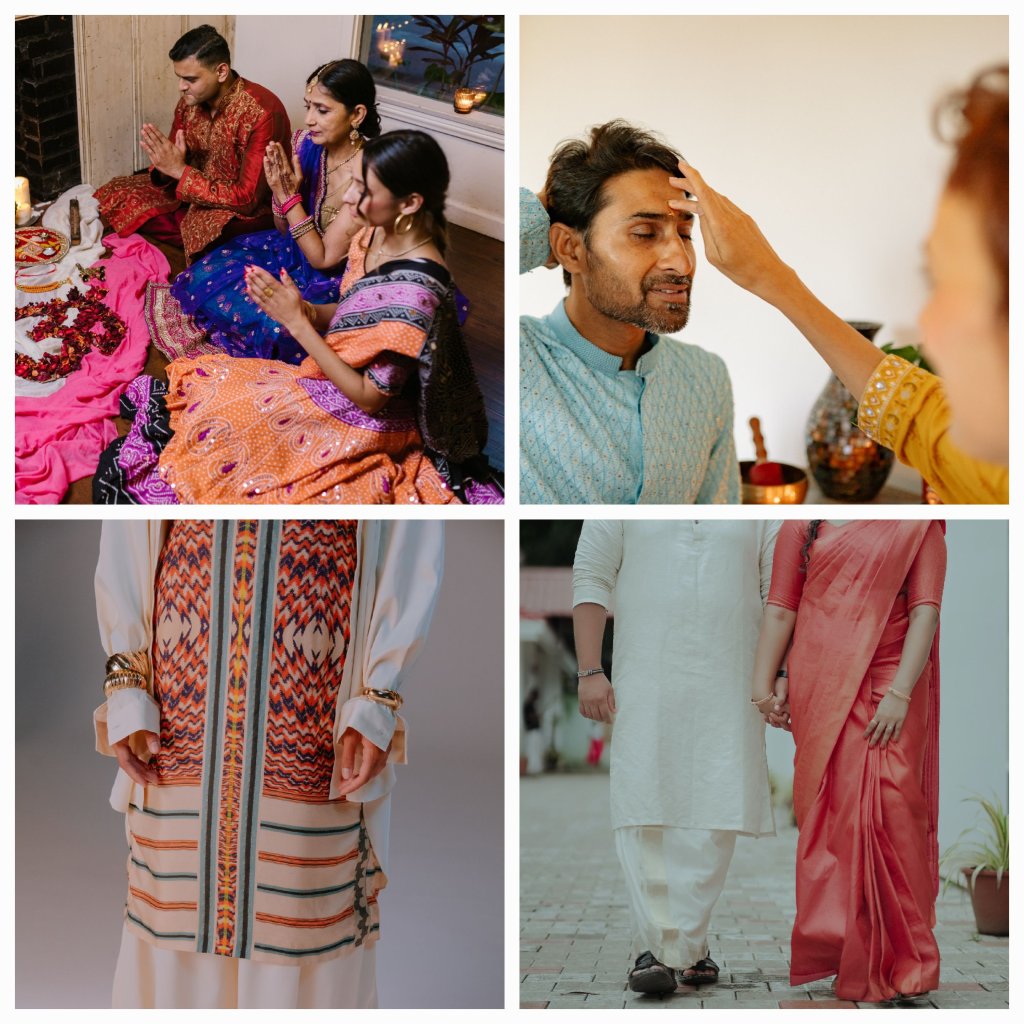
Similarly, the once-prevailing joint family system, a stronghold of Indian Hindu culture, is now experiencing shifts towards nuclear families. Rapid urbanization, career aspirations, and changing societal dynamics have shaped the landscape of familial relationships. While the joint family system fostered a sense of unity, support, and shared responsibilities, the need for privacy, independence, and individual choice has led to smaller family units. The transition towards nuclear families signifies the evolving nature of our society, where the emphasis is on personal growth and the pursuit of individual dreams.
Religious practices themselves have undergone transformations in the face of modernity. The strict adherence to traditional rituals and customs may have waned among the younger generation, partly influenced by the demands of a fast-paced life and a globalized world. Yet, the essence of spirituality remains steadfast in the hearts of Hindus, finding expression through diverse channels. Meditative practices, yoga, and alternative spiritual paths have gained momentum, reflecting the individual’s quest for self-discovery and inner harmony.
As we contemplate the complexities of tradition and modernity, it is crucial to understand that change does not equate to the erosion of culture or the abandonment of traditions. Rather, it represents a dynamic interaction, a fluid intermingling of the old and the new, binding generations together in a shared journey of growth and adaptation. The preservation of tradition lies not in stagnation but in the ability to evolve while preserving the essence that holds us together.
In this rich tapestry, each thread tells a story, each tradition carries a message, and each generation adds its unique stitches. It is our responsibility to honor the heritage we inherit, cherishing the lessons and values encapsulated within these sacred rituals and customs. At the same time, we must recognize the importance of embracing change, allowing our traditions to breathe and evolve, aligning them with the needs and aspirations of the present era.
In this delicate dance of tradition and modernity, let us weave a tapestry that is both rooted in the eternal wisdom of our ancestors and reflective of the ever-changing landscapes of our lives. Let us nurture our cultural heritage, passing it on to future generations, while embracing the winds of change that carry us towards a future rich with diversity, inclusivity, and progress. Together, let us honor the intricate threads that bind us, celebrating the tapestry of Indian Hindu culture and shaping its legacy for generations to come.
Conclusion:
It is important to recognize that the evolution of traditions is a natural progression as society changes. While we may not adhere to all the traditions our parents held dear, it does not diminish our respect for our roots and our cultural heritage. As we navigate this delicate balance between tradition and modernity, it is essential to cherish and preserve the customs that resonate with us while embracing the freedom to adapt and create new traditions that reflect our unique experiences and values. Ultimately, it is this fluidity and openness that will ensure the continuity and relevance of our Indian Hindu culture in the years to come.


 Poetry Hub
Leave a reply to Dr. K Anil Roy Cancel reply