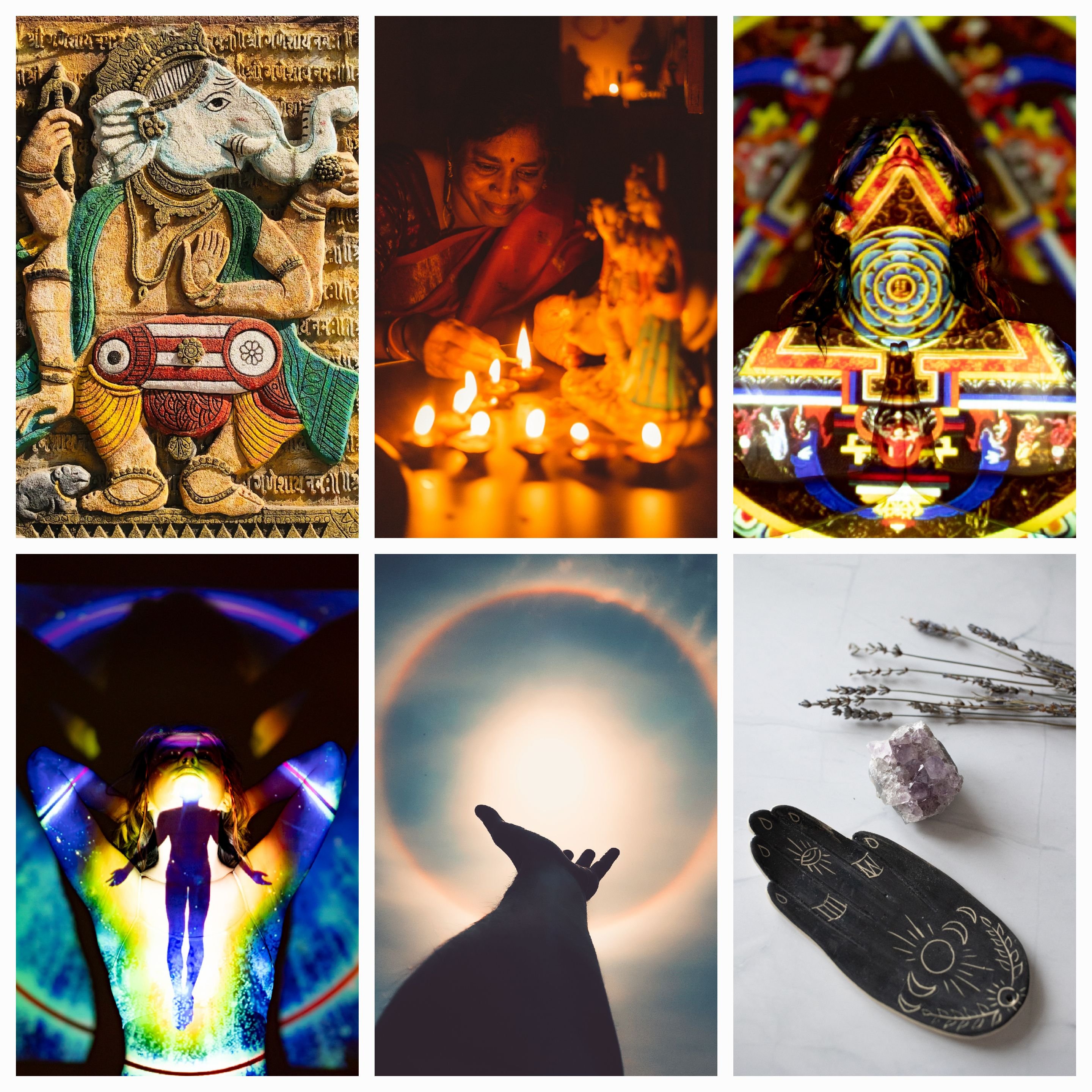
In the realms of existence where the mortal and the divine intertwine, there exists a door, veiled in mystery and draped in enigma. This door, they say, holds the threshold to the divine, the gateway to realms beyond mortal comprehension. Yet, it is said that the key to open this door has been misplaced, lost amidst the vast expanse of time and space.
This key, dear traveler, is not fashioned from earthly matter, nor shaped by mortal hands. It is not a tangible artifact that we can grasp or touch, for it resides in the ethereal realm of the spirit, hidden from the prying eyes of the flesh. Such a key cannot be unearthed through mundane means or sought amidst the material world.
Many have embarked on a quest, their hearts aflame with the desire to unlock the door and bask in the radiance of divine wisdom. They have toiled and labored, excavating the physical realm in a fervent pursuit of this ethereal key. They have dug deep into the earth, unearthing long-forgotten artifacts, unblemished treasures that glitter with earthly splendor.
Yet, as their hands grew calloused and their eyes grew weary, they realized that the treasure they sought was not to be found in the realm of soil and stone. They had been misled, their efforts misplaced. The door to divinity, it seemed, could not be unlocked with a key carved from the physical realm.
For the door to divinity is not a literal barrier, but a metaphorical one, woven into the very fabric of existence. It is a threshold that separates the mortal from the immortal, the transient from the eternal. To cross this threshold and enter the realm of divinity, one must shed the shackles of materiality and embrace the intangible.
The lost key, you see, is not an external object, but an internal realization. It lies dormant within the depths of the human spirit, waiting patiently to be discovered. It is the key of self-awareness, of enlightenment, and of inner transformation. To find it, one must embark on an inner journey, diving into the depths of their own consciousness.
No amount of physical digging or external exploration can yield this key. It is a treasure reserved for the introspective, the seekers of truth and meaning. It demands solitude and self-reflection, a turning inward into the depths of one’s own being. It is an arduous and oftentimes perilous journey, for the labyrinth of the mind is fraught with illusions and distractions.
On this path, one must confront their fears and insecurities, confront the shadowy aspects of their own existence. They must grapple with their own mortality and confront the transient nature of the physical world. Only then can they lay claim to the key that unlocks the door to divinity.
So, dear traveler, heed this wisdom and abandon the notion of physical digging. Instead, turn your gaze inward, for within the labyrinth of your own consciousness lies the path to the divine. Embark on the journey of self-discovery, cultivate self-awareness, and unlock the hidden truths that reside within.
The door to divinity beckons, and though the key may be lost, it is a key that can only be found within. Embrace the intangible, for it is there that the true nature of reality resides. Release yourself from the chains of the physical world, for true knowledge lies beyond the boundaries of the material.
In the stillness of your being, amidst the chaos of existence, you will find the lost key. It is a key that unlocks not just the door to divinity, but the doors to infinite possibilities, boundless love, and profound understanding. It is a key that grants access to the realm of the divine, where mortal limitations dissolve, and the true essence of existence is revealed.
So, traveler, relinquish the notion of physicality, and venture into the depths of your own consciousness. Embrace the intangible, for it is there that you shall find the key to unlock the door to divinity.
Hinduism And Spirituality
In the tapestry of human spirituality, Hinduism stands as an ancient and vibrant thread, weaving a rich and diverse tapestry of beliefs, traditions, and practices. It is a religion that transcends the boundaries of time and space, encompassing a vast pantheon of gods and goddesses, sacred scriptures, rituals, and philosophical teachings. Hinduism, at its core, is an exploration of the eternal questions of existence, the nature of the self, and the paths to liberation.
At the heart of Hinduism lies the concept of dharma, the moral and ethical duties that guide an individual’s actions and responsibilities within society. Dharma, unique to each individual, is viewed as a sacred duty, reflecting the intricate interplay between the physical, social, and spiritual realms. It is through adhering to dharma that one can cultivate balance, harmony, and righteousness in one’s life.
Central to Hinduism is the belief in the cyclical nature of existence, where birth and death are mere transitions in an infinite cycle of life, death, and rebirth, known as samsara. Within this cycle, the concept of karma is paramount, emphasizing that every action, intention, and thought has consequences that shape one’s future. Hinduism teaches that through understanding and transcending the law of karma, one can break free from the cycle of samsara and attain moksha, ultimate liberation from the cycle of birth and death.
To navigate this journey towards liberation, Hinduism offers multiple paths, known as yogas, each catering to different dispositions and inclinations. Karma Yoga, the path of selfless action, advocates performing one’s duties without attachment to the fruits of one’s actions. Bhakti Yoga, the path of devotion, emphasizes love, surrender, and devotion to a chosen deity or deities. Jnana Yoga, the path of knowledge and wisdom, involves self-inquiry and discernment to attain a deep understanding of the true nature of reality. Raja Yoga, the path of meditation and control of the mind, seeks to still the fluctuations of the mind and achieve spiritual union. And finally, Hatha Yoga, the path of physical postures (asanas) and breath control (pranayama), aims to purify the body, mind, and energy channels.
Within the vast Hindu pantheon, myriad gods and goddesses preside, each embodying different facets of the divine. From the resplendent beauty of Lakshmi, the goddess of wealth and abundance, to the fierce compassion of Kali, the goddess of destruction and transformation, each deity represents an aspect of the cosmic energy, inviting devotees to cultivate divine qualities within themselves.
Sacred scriptures, such as the Vedas, Upanishads, Bhagavad Gita, and Ramayana, serve as guiding lights, offering profound philosophical insights, moral teachings, and mythical narratives. These texts illuminate the path of spiritual seekers, encouraging introspection, self-realization, and a deep connection to the divine.
Temples and pilgrimage sites hold a significant place in Hindu spirituality, serving as thresholds between the earthly and the divine. They are sacred spaces where devotees gather to offer prayers, perform rituals, and seek the blessings of the divine. Vibrant ceremonies, festivals, and rituals form an integral part of Hindu worship, celebrating the myriad aspects of the divine and fostering a sense of community and devotion.
Hinduism embraces diversity and acknowledges that there are countless paths to reach the divine. It respects and reveres the teachings and practices of other spiritual traditions, recognizing the underlying unity that permeates all of existence.

At its essence, Hinduism is a way of life, an exploration of the self, and a journey towards spiritual awakening. It encourages individuals to strive for self-realization, to transcend the limitations of the ego, and to embrace the interconnectedness of all beings. Hinduism offers solace to the weary, inspiration to the seeker, and a profound understanding of the divine tapestry that we are all woven into.
In the vast, ever-evolving landscape of spirituality, Hinduism beckons us to embark on a transformative quest, to find meaning, purpose, and transcendence. It invites us to explore the depths of our own consciousness, to discover the divinity within ourselves and the interconnectedness that binds us to the cosmos. In Hinduism, spirituality transcends religious constructs, becoming a deeply personal and universal journey towards the eternal truth that lies beyond the confines of time and space.

Leave a Reply