In the annals of India’s scientific community, a haunting narrative emerges—a series of tragic events shrouded in mystery during UPA/INC governments in the centre, casting a shadow over the achievements and aspirations of the nation’s brightest minds. It is a tale of resilience, but also of unanswered questions and unexplained circumstances that have left many perplexed.
In the corridors of justice, a narrative unfolds, revealing a tapestry of legal cases entwined with the tenure of the UPA/Congress governments. From accusations of corruption to controversies surrounding policy decisions, these cases cast a shadow over the political landscape. The courtroom becomes a battleground where the pursuit of truth clashes with the weight of power. With each trial and investigation, the integrity and transparency of governance come under scrutiny, leaving a nation yearning for justice, accountability, and a renewed commitment to the principles that underpin the pillars of democracy. These cases serve as reminders of the importance of upholding transparency, integrity, and accountability in governance. While legal processes unfold, it is imperative to strive for a just and fair society where the rule of law prevails, ensuring that those responsible for any wrongdoing are held accountable.
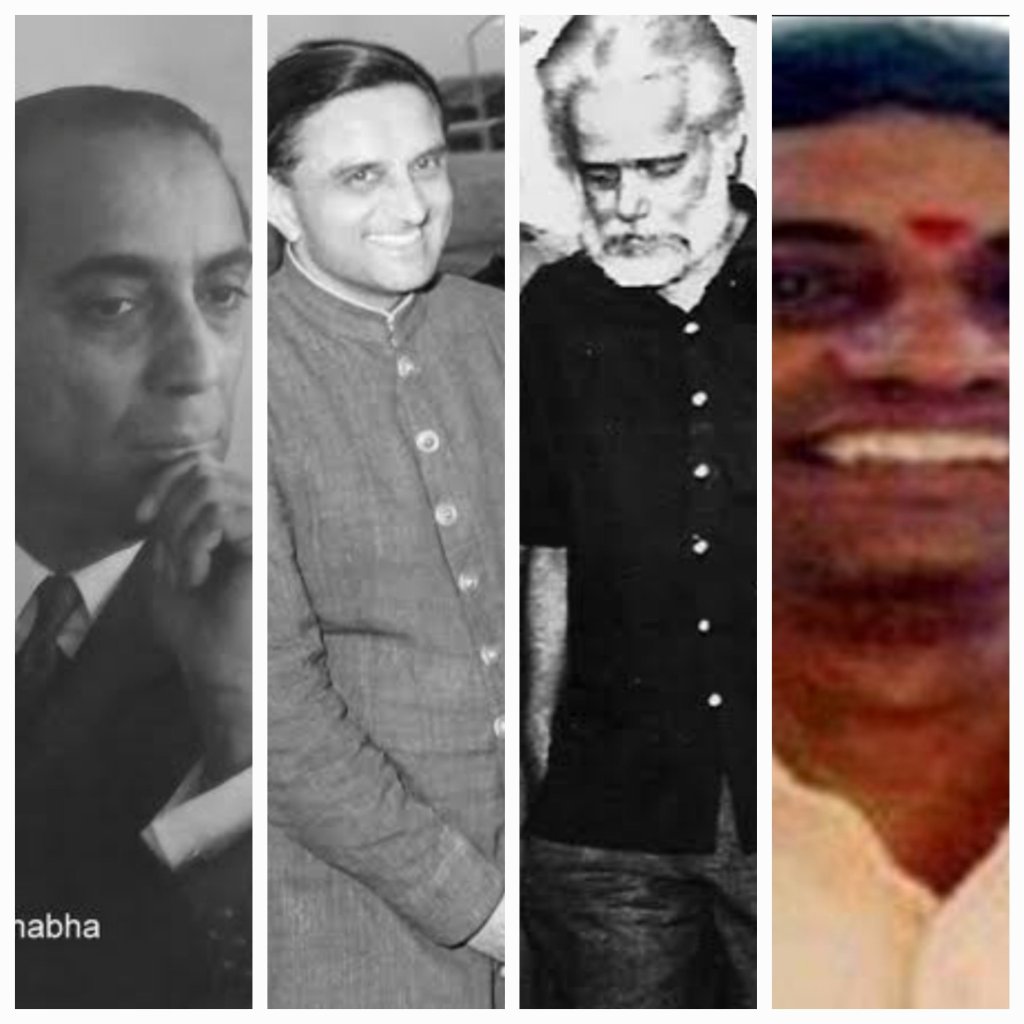
January 1966 marked a devastating moment in Indian history—the loss of Dr. Homi Jehangir Bhabha, the visionary nuclear scientist often referred to as the father of India’s nuclear program. Dr. Bhabha, revered for his contributions to the advancement of nuclear science, was traveling on Air India flight 101 from Mumbai to London. Tragically, during approach to Geneva, the plane crashed in the Mont Blanc area of France, claiming the lives of all 117 passengers on board, including Dr. Bhabha. The ghastly incident shrouded in sorrow, however, was accompanied by unsettling questions that continue to linger to this day.
The black box of the ill-fated flight was never recovered, leaving investigators with limited evidence to ascertain the actual cause of the crash. The exact reason for the tragedy remains unknown, leading to speculation and conjecture. What further adds to the intrigue is the absence of a formal inquiry by the Indian government into the incident, leaving a void of tangible answers and fueling doubts and suspicions.
A few years later, on December 30, 1971, another pillar of India’s scientific community was lost under mystifying circumstances. Vikram Sarabhai, the renowned space scientist, and advocate of Indian space research was found dead in a hotel room in Kovalam, Trivandrum. At the age of 51, he showed no signs of illness the previous evening, leaving those closest to him in shock and disbelief. Astonishingly, no autopsy or investigation took place, allowing uncertainty to prevail, and casting a shroud of suspicion over his untimely demise.
With each passing decade, more unsettling incidents unfold, causing ripples of disbelief and despair. In 1994, a promising ISRO scientist, Nambi Narayanan, on the verge of making groundbreaking strides in the development of cryogenic engines, faced a sudden and unwarranted arrest. The Kerala Police and the Intelligence Bureau implicated him with fabricated charges, effectively derailing the entire Indian space mission. It was later revealed that the case against him was baseless, highlighting a grave injustice and a deliberate attempt to hinder India’s advancements in the field of space exploration.
As the years progressed, more scientists fell victim to inexplicable circumstances. In 2009, nuclear scientist Lokanathan Mahalingam went missing during his routine morning walk in Mumbai. His body was tragically discovered five days later in the Kali river. Astonishingly, this grim discovery followed the death of another nuclear scientist in the same forest just weeks before. A pattern of eerie and untimely deaths began to emerge, ultimately leading to a shocking tally of 11 Indian nuclear scientists meeting unnatural ends between 2009 and 2013.
In November 2013, the tragic deaths of two high-ranking engineers, KK Josh and Abhish Shivam, working on India’s first nuclear-powered submarine, further fueled suspicions of foul play. Their lifeless bodies were found on railway tracks, leading to widespread speculation that they had been poisoned and staged to appear as accidents or suicides. The mounting concerns surrounding the systemic disregard for the lives of India’s top scientists prompted The Sunday Guardian to publish an article titled “PMO unconcerned about scientist deaths.” The author’s words cut through the silence, questioning the government’s indifference to these recurring tragedies and hinting at a deliberate effort to hinder India’s progress towards nuclear excellence.
Remarkably, in 2013, a book written by US writer Gregory Douglas titled “Conversations with The Crow” shed light on alleged covert operations carried out by the CIA. Through conversations with CIA operative Robert Crowley, nicknamed “The Crow,” astonishing claims were made regarding the Air India flight 101 crash. According to Crowley, the plane was not an unfortunate accident but the result of a bomb planted in the cargo area by the CIA. The motive behind this sinister act was to eliminate Dr. Homi J Bhabha, who posed a threat to the global power dynamics as he had the potential to make India a nuclear superpower. The revelation added another layer of complexity, implicating international intelligence agencies in the demise of Indian scientific stalwarts, including the alleged involvement of the CIA in the death of Vikram Sarabhai.
Author Brian Harvey, in his book “Russia in Space,” also fueled speculation by suggesting CIA involvement in the arrest of Dr. Nambi, yet another prominent scientist. The series of accounts raise troubling questions about the motives, actions, and cover-ups surrounding these tragic events.
The perplexing aspect that demands attention is the lack of formal investigations by the Indian government into the mysterious deaths of these eminent scientists. It is disconcerting that despite knowing the facts, previous governments and media outlets chose to remain silent, allowing the shadows to engulf these unsettling events. The magnitude of the loss and the implications for India’s scientific progress are profound, raising crucial questions about accountability, transparency, and the responsibility of the government towards the protection and security of its scientific community.
The tragic fate that befell these scientists is not a mere coincidence but a disturbing pattern that cannot be ignored. The brilliance, innovation, and dedication of these individuals placed them on the hit list of international spy and terrorist agencies. Their contributions to India’s scientific endeavors threatened the global power dynamics, making them targets of shadowy forces lurking in the murky realms of geopolitical rivalries.
As conversations are sparked and truths are unveiled, the accountability of governments and the media is brought into question. The silence that surrounds these unnatural deaths serves as a stark reminder of the importance of safeguarding the lives and contributions of India’s scientific community. The success of space missions and the advancements in nuclear science depend not only on the brilliance of the scientists but also on the unwavering support and protection offered by the government. The hearts of the nation yearn for justice, unveiling the truth behind these tragic incidents and honoring the legacies of those who dedicated their lives to the pursuit of knowledge and progress.
It is a call to action, to uphold the pillar of scientific excellence, shielded from the threats that loom in the shadows. The collective voice of the people demands answers, accountability, and justice for the fallen heroes who dared to dream and strive for a better future—a future where the endeavors of the scientific community stand unshaken in the face of adversity, where their contributions are celebrated rather than silenced, and where their lives are valued with utmost sincerity and reverence. Only then can we truly honor their legacy and forge a path towards a brighter, safer, and more enlightened tomorrow.
This post is a part of Blogchatter Half Marathon 2023



 Poetry Hub
Leave a reply to Careena Cancel reply