Reflecting on Trends: If I Could Erase One from the Past
In the tapestry of human history, trends are like colorful threads, weaving in and out of the fabric of our lives, leaving behind lasting impressions and memories. Some trends stand the test of time, becoming iconic symbols of their era, while others fade into obscurity, relegated to the annals of fashion faux pas. But if I could wield the power to erase one trend from the past, what would it be, and why?
As I ponder this question, my mind drifts back to a time when low-rise jeans reigned supreme. Yes, those denim abominations that plagued the early 2000s with their perilously low waistbands and constant threat of exposure. If I could, I would banish low-rise jeans from the collective memory of fashion enthusiasts everywhere, and here’s why.
First and foremost, low-rise jeans were not particularly practical. Constantly hitching them up to prevent accidental mooning became an all-too-common occurrence, transforming even the most mundane tasks into a high-stakes game of wardrobe malfunction roulette. It seemed as though every bend or stretch posed a risk, leaving wearers in a perpetual state of anxiety.
Moreover, the relentless pursuit of the lowest possible rise led to an alarming lack of coverage in the back, resulting in the dreaded phenomenon known as “plumber’s crack.” Not only was this unsightly, but it also served as a poignant reminder of the inherent flaws in prioritizing style over functionality.
The origin of low-rise jeans can be traced back to the late 1960s and early 1970s, when the counterculture movement and the emergence of disco influenced fashion trends. During this time, designers began experimenting with lower waistlines, inspired by the relaxed, free-spirited ethos of the era.
However, low-rise jeans didn’t gain widespread popularity until the late 1990s and early 2000s, when they became a defining trend of the fashion landscape. Celebrities and pop culture icons embraced the style, wearing low-rise jeans on red carpets, in music videos, and in magazines, thereby catapulting them into the mainstream consciousness.
The trend was further fueled by the influence of fashion designers and brands, who incorporated low-rise styles into their collections and marketing campaigns. This widespread exposure cemented low-rise jeans as a staple of early 2000s fashion, despite their divisive nature and practical shortcomings.
Several factors contributed to the popularity of low-rise jeans:
- Celebrity Endorsement: Celebrities and pop culture icons played a significant role in popularizing low-rise jeans. Seeing influential figures like Britney Spears, Jennifer Lopez, and Paris Hilton rocking low-rise jeans in music videos, movies, and on the red carpet made them desirable and aspirational for many.
- Media Exposure: Fashion magazines, television shows, and movies heavily featured low-rise jeans, showcasing them as a must-have item for anyone wanting to stay on-trend. This extensive media coverage created a sense of urgency and desire among consumers to adopt the style.
- Fashion Industry Influence: Fashion designers and brands capitalized on the trend by incorporating low-rise jeans into their collections and marketing campaigns. From high-end designers to fast-fashion retailers, everyone offered their own take on the low-rise silhouette, making it easily accessible to a wide range of consumers.
- Youth Culture and Rebellion: Low-rise jeans became synonymous with youth culture and rebellion, appealing to a younger demographic eager to break away from traditional fashion norms. The low-rise style was seen as edgy, provocative, and daring, making it a natural choice for those looking to make a statement with their clothing.
- Versatility: Despite their impracticality, low-rise jeans offered a versatile canvas for self-expression. They could be paired with crop tops, tank tops, or fitted shirts, allowing wearers to mix and match to create a variety of stylish looks.
Overall, the convergence of celebrity influence, media exposure, fashion industry endorsement, cultural trends, and the appeal of self-expression contributed to the widespread popularity of low-rise jeans during the late 1990s and early 2000s.
Low-rise jeans gained rapid adoption in several countries, particularly those with strong influences from Western pop culture and fashion trends. Some of the countries where low-rise jeans became popular quickly include:
- United States: As the birthplace of many fashion trends and home to a vibrant entertainment industry, the United States embraced low-rise jeans early on. Celebrities and musicians prominently featured in American media helped propel the trend to mainstream success.
- United Kingdom: With a thriving music and fashion scene, the UK quickly embraced low-rise jeans, especially among young people and urban fashion enthusiasts. British celebrities and influencers played a significant role in popularizing the trend across the country.
- Australia: Australian fashion trends often mirror those of the United States and Europe, and low-rise jeans were no exception. The trend gained traction quickly in Australia, particularly in urban centers like Sydney and Melbourne, where fashion-forward youth eagerly embraced the style.
- Canada: Canadian fashion is heavily influenced by American culture, and low-rise jeans became a staple among Canadian youth and young adults. Celebrities from Canada, such as Avril Lavigne and Celine Dion, also helped boost the trend’s popularity.
- Brazil: Known for its vibrant street culture and fashion-forward populace, Brazil swiftly embraced low-rise jeans as a stylish and provocative wardrobe staple. Brazilian celebrities and influencers further fueled the trend’s popularity through their endorsement and adoption of the style.
While low-rise jeans gained significant popularity in these countries, their appeal transcended borders, spreading to many other parts of the world where Western fashion trends hold sway.
While the exact origins of low-rise jeans are difficult to pinpoint to a single moment or designer, their evolution can be viewed as a reflection of shifting cultural attitudes towards body image, sexuality, and self-expression.
Beyond their impracticality, low-rise jeans also perpetuated unrealistic beauty standards. The fashion industry’s obsession with ultra-slim figures meant that these jeans were often designed with a narrow range of body types in mind, leaving many individuals feeling excluded or inadequate. The pressure to achieve the elusive “perfect” waist-to-hip ratio fueled unhealthy dieting habits and body dysmorphia, further exacerbating the negative impact of this trend.
But perhaps most troubling was the message that low-rise jeans sent to impressionable young minds about self-worth and empowerment. By glorifying the exposure of skin and relegating modesty to the sidelines, this trend seemed to suggest that a woman’s value lay solely in her ability to conform to narrow standards of attractiveness. It undermined the importance of intellect, talent, and character, reducing women to mere objects of desire.
Of course, fashion trends are a reflection of their cultural context, and it’s important to acknowledge that the rise (or fall) of low-rise jeans was influenced by a complex interplay of factors beyond mere aesthetics. But as we look back on this particular trend with a mixture of amusement and disdain, it serves as a reminder of the power of fashion to shape our perceptions and experiences.
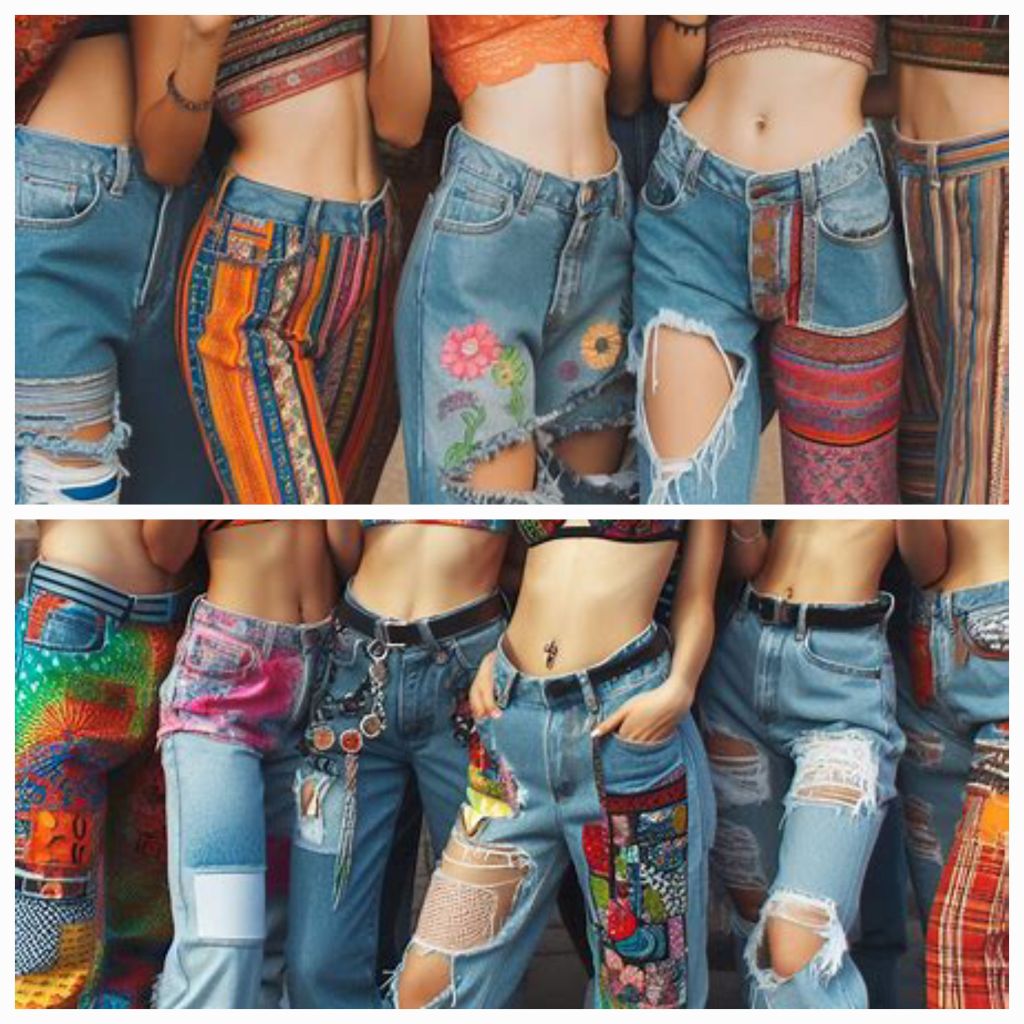
In the end, if I could erase one trend from the past, it would be low-rise jeans, not out of a desire to erase history, but rather to learn from it. By recognizing the pitfalls of trends that prioritize style over substance, we can strive to create a more inclusive and empowering fashion landscape—one where every individual feels seen, valued, and celebrated for who they are, not just how they look.
#FashionFail #BodyPositivity #Empowerment #StyleOverSubstance


 Poetry Hub
Hello. Thanks for visiting. I’d love to hear your thoughts! What resonated with you in this piece? Drop a comment below and let’s start a conversation.