
15 Essential Books on Environmental Sustainability and Protection: A Comprehensive Guide
Introduction:
In an era where environmental concerns are at the forefront of global discussions, literature plays a crucial role in educating, inspiring, and mobilizing people towards sustainable practices and environmental protection. This article explores 15 seminal works that have shaped our understanding of environmental issues, from climate change to biodiversity loss, and from sustainable design to the impact of human activities on our planet. These books offer diverse perspectives, combining scientific research, policy analysis, and personal narratives to provide a comprehensive view of the challenges we face and the potential solutions at hand.
- “Silent Spring” by Rachel Carson (1962)
Rachel Carson’s “Silent Spring” is supposedly the reason behind the modern environmental movement. Published in 1962, this groundbreaking work exposed the harmful effects of pesticides, particularly DDT, on wildlife and human health. Carson, a marine biologist by training, meticulously documented how these chemicals entered the food chain and accumulated in the tissues of animals, including humans.

The book’s title refers to a future spring season where no bird songs could be heard, all having been silenced by the devastating effects of pesticides. Carson’s elegant prose and rigorous scientific approach made complex ecological concepts accessible to the general public. “Silent Spring” not only led to a nationwide ban on DDT and other harmful pesticides but also inspired a generation of environmentalists and led to the creation of the Environmental Protection Agency in the United States.
- “The Sixth Extinction: An Unnatural History” by Elizabeth Kolbert (2014)
Elizabeth Kolbert’s Pulitzer Prize-winning book, “The Sixth Extinction,” brings attention to the ongoing mass extinction event caused by human activities. Kolbert frames the current crisis in the context of the five previous mass extinctions in Earth’s history, arguing that human-induced changes to the planet are causing extinction rates to skyrocket.

Through a series of compelling case studies, Kolbert explores various species and ecosystems threatened by human activities, from the golden frog in Panama to the Great Barrier Reef. She combines on-the-ground reporting with interviews with scientists and researchers, creating a vivid picture of the biodiversity crisis. The book serves as a wake-up call, highlighting the urgent need for conservation efforts and changes in human behavior to prevent further loss of species.
- “This Changes Everything: Capitalism vs. The Climate” by Naomi Klein (2014)
In “This Changes Everything,” Naomi Klein argues that addressing climate change requires a fundamental restructuring of our economic system. Klein contends that the logic of neoliberal market capitalism – with its emphasis on deregulation, privatization, and endless growth – is incompatible with the radical action needed to combat climate change.
Klein’s book is not just a critique of the current system but also a call to action. She explores various grassroots movements and proposes solutions that combine addressing climate change with social justice issues. The book challenges readers to think beyond individual actions and consider the systemic changes necessary to create a more sustainable and equitable world.
- “Drawdown: The Most Comprehensive Plan Ever Proposed to Reverse Global Warming” edited by Paul Hawken (2017)
“Drawdown” offers a refreshingly solution-oriented approach to climate change. Edited by environmentalist Paul Hawken, the book presents 100 substantive solutions to reverse global warming, based on meticulous research by leading scientists and policymakers.

What sets “Drawdown” apart is its comprehensive and practical approach. The solutions are ranked by their potential impact, cost-effectiveness, and feasibility. They range from well-known strategies like renewable energy and forest restoration to more surprising ones like educating girls and improving refrigerant management. Each solution is explained in clear, accessible language, accompanied by rigorous analysis of its potential impact. “Drawdown” provides a roadmap for action and a source of hope in the face of climate change.
- “The Uninhabitable Earth: Life After Warming” by David Wallace-Wells (2019)
David Wallace-Wells’ “The Uninhabitable Earth” presents a stark and often frightening look at the potential impacts of unchecked climate change. The book expands on Wallace-Wells’ viral 2017 New York Magazine article of the same name, exploring various aspects of life that will be transformed by warming temperatures, from food production to global politics.
Wallace-Wells’ approach is intentionally alarmist, aiming to shake readers out of complacency about the climate crisis. He argues that even the most pessimistic predictions may be underestimating the speed and severity of climate change impacts. While the book has been criticized by some for its apocalyptic tone, it serves as a powerful call to action, urging readers to confront the full scale of the climate crisis.
- “Cradle to Cradle: Remaking the Way We Make Things” by William McDonough and Michael Braungart (2002)
“Cradle to Cradle” presents a revolutionary approach to design and manufacturing that could transform our relationship with the natural world. Authors William McDonough, an architect, and Michael Braungart, a chemist, argue for a new industrial revolution that eliminates the concept of waste.

The book critiques the current “cradle to grave” manufacturing model, where products are designed with the assumption that they will eventually become waste. Instead, they propose a “cradle to cradle” model, where products are designed from the outset to be fully recyclable or biodegradable. The authors provide numerous examples of how this approach can be applied in various industries, from construction to textile manufacturing. “Cradle to Cradle” challenges readers to rethink fundamental assumptions about how we produce and consume goods.
- “The Hidden Life of Trees” by Peter Wohlleben (2015)
Peter Wohlleben’s “The Hidden Life of Trees” offers a fascinating look at the complex social lives of trees and forests. Drawing on groundbreaking scientific discoveries and his own experiences as a forester, Wohlleben reveals how trees communicate, support each other, and even care for their young.
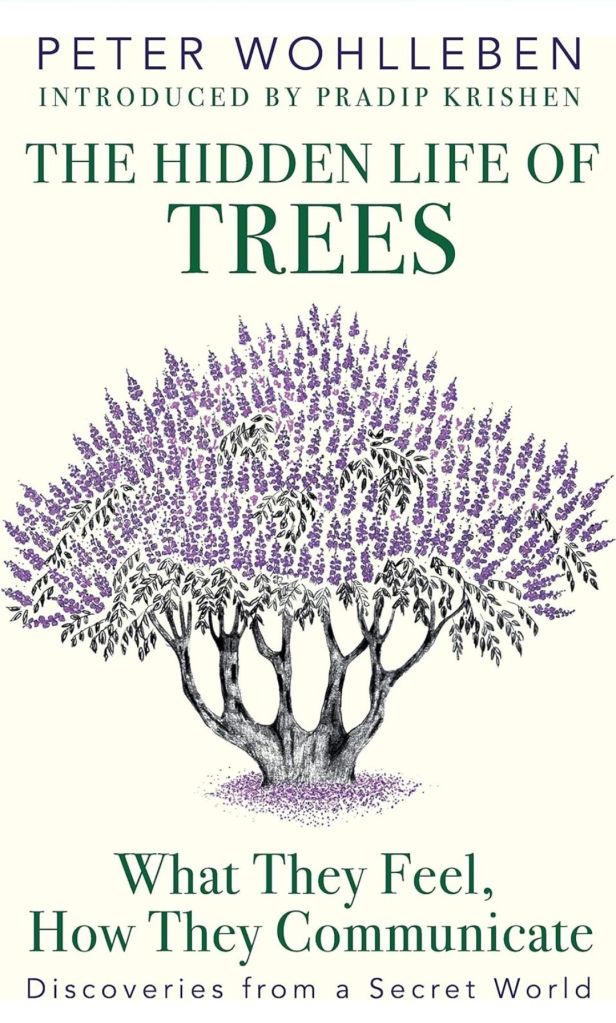
The book presents trees not as solitary entities but as members of a complex ecosystem, or as Wohlleben puts it, a “wood wide web.” He explains how trees share nutrients through underground fungal networks, warn each other of dangers, and even keep the stumps of felled companions alive for centuries. By anthropomorphizing trees to some extent, Wohlleben makes their complex biology more accessible and encourages readers to view forests with newfound respect and wonder.
- “Biomimicry: Innovation Inspired by Nature” by Janine Benyus (1997)
In “Biomimicry,” Janine Benyus introduces a new science that studies nature’s best ideas and then imitates these designs and processes to solve human problems. Benyus argues that after 3.8 billion years of evolution, nature has already solved many of the problems we are grappling with.
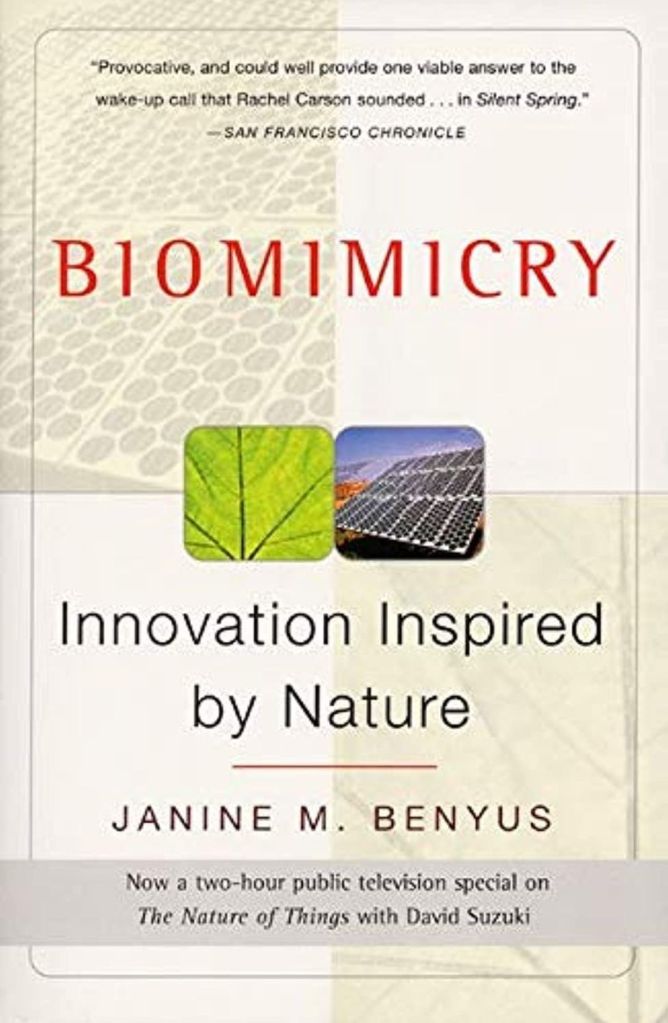
The book explores how we can learn from nature’s designs in various fields, from energy production inspired by photosynthesis to creating materials based on spider silk. Benyus presents biomimicry not just as a design approach but as a new way of viewing and valuing nature. By looking to nature for inspiration, she argues, we can create more sustainable and efficient technologies and systems.
- “The Omnivore’s Dilemma: A Natural History of Four Meals” by Michael Pollan (2006)
Michael Pollan’s “The Omnivore’s Dilemma” takes readers on a journey through the American food system, exploring the ecological and ethical implications of our dietary choices. Pollan structures the book around four meals, each representing a different food chain: industrial, organic, local, and hunted/gathered.
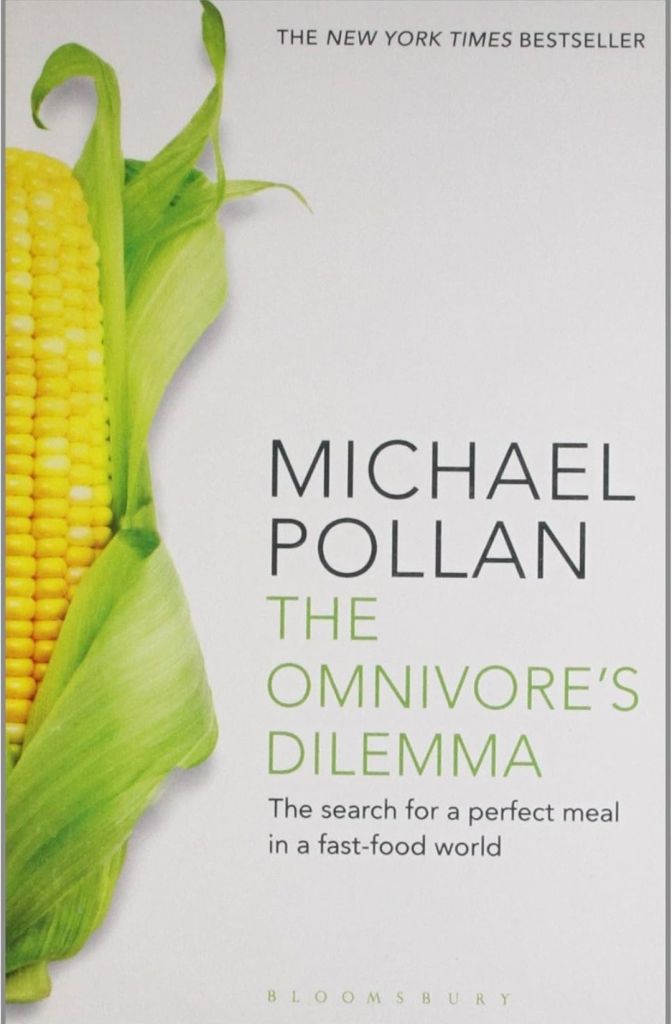
Through his investigation, Pollan reveals the hidden costs of industrial agriculture, from its reliance on fossil fuels to its impact on animal welfare. He also critically examines the organic food industry, questioning whether it truly lives up to its environmental promises. The book encourages readers to think more deeply about where their food comes from and the impact of their dietary choices on both personal and planetary health.
- “Guns, Germs, and Steel: The Fates of Human Societies” by Jared Diamond (1997)
While not strictly an environmental book, Jared Diamond’s Pulitzer Prize-winning “Guns, Germs, and Steel” provides crucial context for understanding how human societies have interacted with their environments throughout history. Diamond seeks to explain why Eurasian civilizations have been the most dominant in history, and his answer lies largely in environmental factors.

The book argues that the distribution of plant and animal species suitable for domestication, along with the east-west orientation of Eurasia (which allowed for easier spread of crops, livestock, and technologies), gave Eurasian societies significant advantages. By highlighting how environmental factors have shaped human history, Diamond’s work encourages readers to consider the long-term impacts of human-environment interactions.
- “The World Without Us” by Alan Weisman (2007)
Alan Weisman’s “The World Without Us” presents a fascinating thought experiment: what would happen to the Earth if humans suddenly disappeared? Through meticulous research and interviews with experts, Weisman explores how quickly and in what ways nature would reclaim our cities, infrastructure, and landscapes.

The book serves as both a sobering reminder of humanity’s impact on the planet and a testament to nature’s resilience. Weisman examines everything from the fate of plastic in our oceans to the future of nuclear facilities without human maintenance. By removing humans from the equation, “The World Without Us” offers a unique perspective on our relationship with the natural world and the long-term consequences of our actions.
- “Sustainable Energy – Without the Hot Air” by David JC MacKay (2008)
David MacKay’s “Sustainable Energy – Without the Hot Air” stands out for its data-driven, no-nonsense approach to examining sustainable energy options. MacKay, a physicist, cuts through the hype and misinformation surrounding renewable energy to present a clear picture of what’s possible and what’s not.

The book is lauded for its accessibility, using everyday analogies to explain complex energy concepts. MacKay examines various renewable energy sources, from wind and solar to biofuels, calculating their potential contributions to our energy needs. He also looks at energy consumption, encouraging readers to understand their own energy use. While the book focuses on the UK, its approach and many of its insights are globally relevant.
- “The Nature of Nature: Why We Need the Wild” by Enric Sala (2020)
Enric Sala’s “The Nature of Nature” makes a compelling case for the preservation of wild places, arguing that it’s not just about saving other species, but about saving ourselves. Sala, a marine ecologist and National Geographic Explorer-in-Residence, draws on his extensive fieldwork to illustrate the intricate connections between ecosystems and human well-being.

The book explores how intact ecosystems provide essential services, from regulating climate to preventing pandemics. Sala argues that protecting nature is the smartest economic choice we can make, providing concrete examples of how conservation can yield significant returns on investment. “The Nature of Nature” offers a hopeful vision of how protecting the wild can create a more prosperous and healthy future for humanity.
- “Half-Earth: Our Planet’s Fight for Life” by Edward O. Wilson (2016)
In “Half-Earth,” renowned biologist Edward O. Wilson proposes a radical solution to the biodiversity crisis: devoting half of the Earth’s surface to nature. Wilson argues that this is the only way to save the majority of species and stabilize the long-term health of our planet.
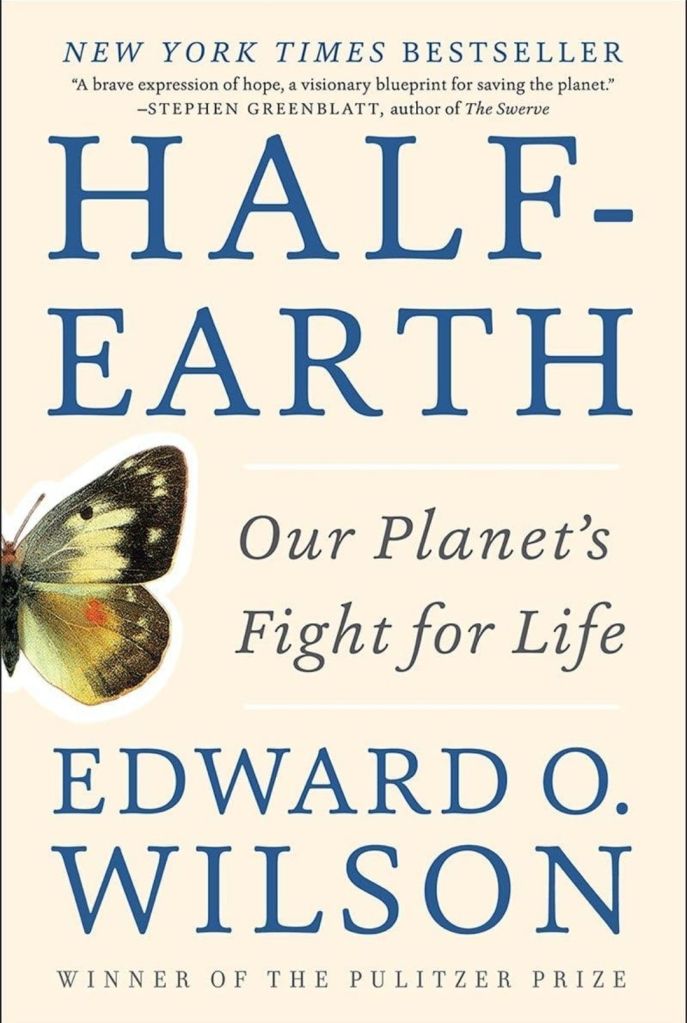
The book combines Wilson’s deep knowledge of biodiversity with a passionate plea for conservation. He explores the unique qualities of various ecosystems around the world and explains why preserving biodiversity is crucial for human survival. While Wilson’s proposal is ambitious, he provides practical suggestions for how it could be implemented, making a case that the benefits would far outweigh the costs.
- “The Story of Stuff” by Annie Leonard (2010)
Annie Leonard’s “The Story of Stuff” evolved from her popular online video of the same name. The book provides a detailed look at the life cycle of material goods, from resource extraction to disposal, revealing the hidden environmental and social costs of our consumer culture.
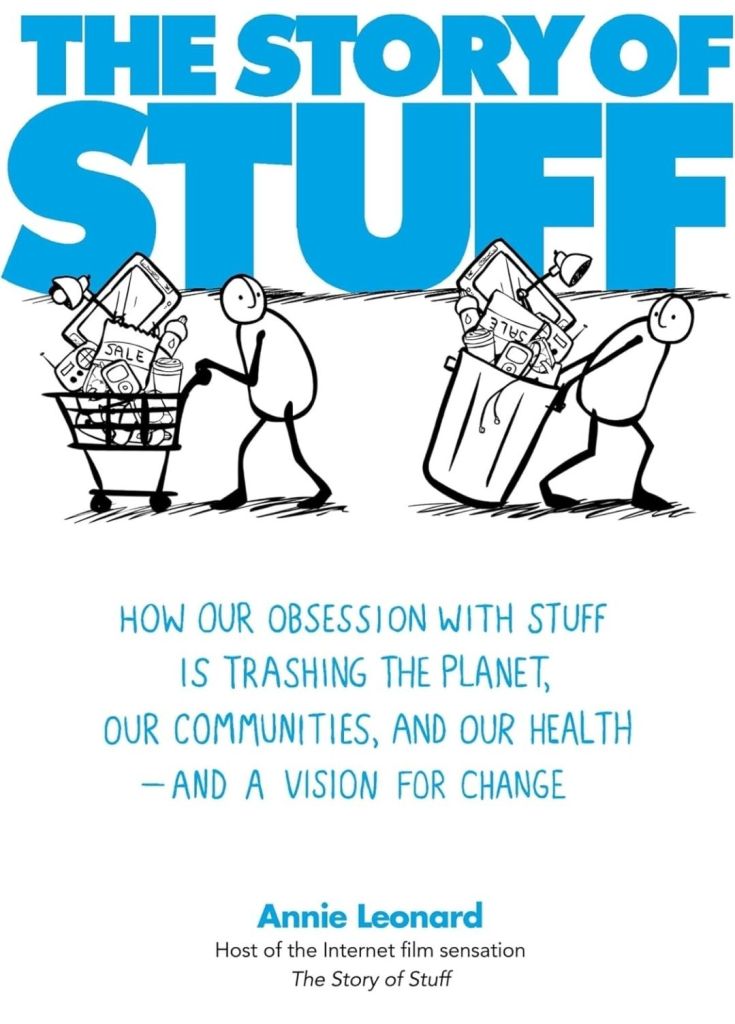
Leonard examines the systems that drive consumption, from planned obsolescence to pervasive advertising, and their impacts on communities and ecosystems around the world. She also offers solutions, advocating for a circular economy and providing practical tips for reducing consumption. “The Story of Stuff” challenges readers to rethink their relationship with material goods and consider the true cost of the stuff in their lives.
Conclusion:
These 15 books offer a comprehensive overview of environmental challenges and potential solutions. From Rachel Carson’s seminal work that sparked the environmental movement to more recent explorations of sustainable design and conservation, these books provide crucial insights into our relationship with the natural world. They challenge us to rethink our economic systems, our consumer habits, and our place in the broader ecosystem.
While the issues raised in these books are often daunting, many of them also offer hope and concrete solutions. They remind us of the resilience of nature and our own capacity for innovation and change. Whether you’re a long-time environmentalist or just beginning to explore these issues, these books offer valuable perspectives and information to guide us towards a more sustainable future.
As we face unprecedented environmental challenges, the insights provided by these authors are more relevant than ever. They urge us to see the interconnectedness of environmental issues with social and economic systems, and to take bold, systemic action. By educating ourselves through works like these, we can better understand the challenges we face and the solutions at hand, empowering us to make informed decisions and take meaningful action for the health of our planet.
#EnvironmentalReads #SustainabilityBooks #ClimateChangeLiterature #GreenLiving #EcoBooks #ConservationReads #BiodiversityBooks #EnvironmentalEducation #SustainableEnergy #NatureWriting #EcologicalAwareness #ClimateAction
This post is a part of ‘Sense and Sustainability Blog Hop’ hosted by Manali Desai and Sukaina Majeed


 Poetry Hub
Leave a reply to A Rustic Mind Cancel reply