A Fun Fact that Blew My Mind: The Breath of Trees is Closer to Human Than You’d Imagine
The fun fact? Plants actually “breathe” in a way that’s shockingly similar to us. Now, before you think I’m talking about photosynthesis and dismiss it as the textbook fact you learned in middle school, let me tell you—it’s wilder than that. What I’m about to share made me rethink my connection with nature, with trees, with the air I breathe, and with the very concept of life itself.
Picture this: I’m sitting under a sprawling banyan tree, feeling very Zen and somewhat mystical, absorbing that ancient Indian belief that trees carry wisdom older than humanity. The sun filters through the leaves in a way that makes the ground look like it’s alive. That’s when I stumble upon the fact that trees not only take in carbon dioxide and give out oxygen (yes, I knew that part), but they also have what’s essentially a heartbeat! Not a thump-thump like ours but a kind of rhythmic pulse, almost like breath—an expansion and contraction of their trunks that syncs with the cycle of water moving through their roots and leaves.
Let me take you deeper because, at this point, I was having a full-on moment of awe. A tree’s “heartbeat” is not like the quick rhythms of our own; it’s impossibly slow, almost too slow to notice. Scientists discovered it with highly sensitive equipment that measured the minute expansion and contraction of tree trunks as water moves through them. Imagine: every few hours, a tree subtly swells as it drinks, then contracts as it releases that moisture. It’s a pulse. An ancient, earthbound beat.
Doesn’t that change the way you see trees? It did for me. Now, I’d heard spiritual traditions, especially in ancient India, refer to trees as “wise old souls.” I used to think that was poetic language. But now, knowing they have this inner pulse—this slow-motion heartbeat—makes me wonder if perhaps the ancients weren’t being metaphorical at all. Perhaps they intuitively understood trees as living, breathing beings with wisdom woven into their very essence. That idea hit me as both beautiful and slightly eerie, like trees were listening, watching, aware of our presence in some profound way.
And it gets crazier. Some studies have suggested that trees can “hear” vibrations. Imagine, if you will, a forest breathing and pulsing in slow motion, responding to the sounds around it. Could it be that the sound of rainfall, the wind brushing through leaves, or even our footsteps could be part of a sensory experience for them? This thought made me remember the concept of the “world tree” or Yggdrasil in Norse mythology—a tree that connects different realms, symbolizing the heartbeat of life that runs through all creation. Cultures around the world have revered trees as divine beings, holding life, death, and rebirth in their ancient roots. It’s almost like we were meant to recognize the life inside them.
What’s even more astounding? The trees don’t do it alone. They exist in symbiosis with the vast underground network of fungi, often called the Wood Wide Web. This network allows trees to share nutrients, water, and even chemical signals with one another. A tree under attack from pests can send out a chemical signal through its roots, alerting its neighbors to prepare their defenses. Some scientists liken it to the trees talking, a kind of language of survival. In my mind, it feels like an act of camaraderie, a fellowship as ancient as life on Earth itself.
I started to wonder, is this why it feels calming to sit under a tree? Is it that we subconsciously sense their pulse, this hidden rhythm, as though it’s an invisible metronome guiding us back to a more natural pace? Have you ever felt yourself breathing slower, your heart easing its pace, when you’re near trees? I had often felt it without knowing why. Now, I can’t help but think that I was syncing up with a tree’s rhythm, even if I didn’t realize it.
Once I learned this, it felt impossible to look at a tree in the same way again. I couldn’t shake the feeling that we share more with trees than just an atmosphere, that there’s something sacred and intimate between us, as if we are relatives separated by millions of years of evolution. Suddenly, the concept of trees as sentient beings didn’t seem far-fetched. These towering beings that surround us have been here far longer than humanity. They’ve weathered ice ages, evolved to withstand fire, and even adapted to urban jungles. It’s as if they hold the memory of the world, etched into their rings, recorded in their wood, pulsing with the secrets of an era before language.
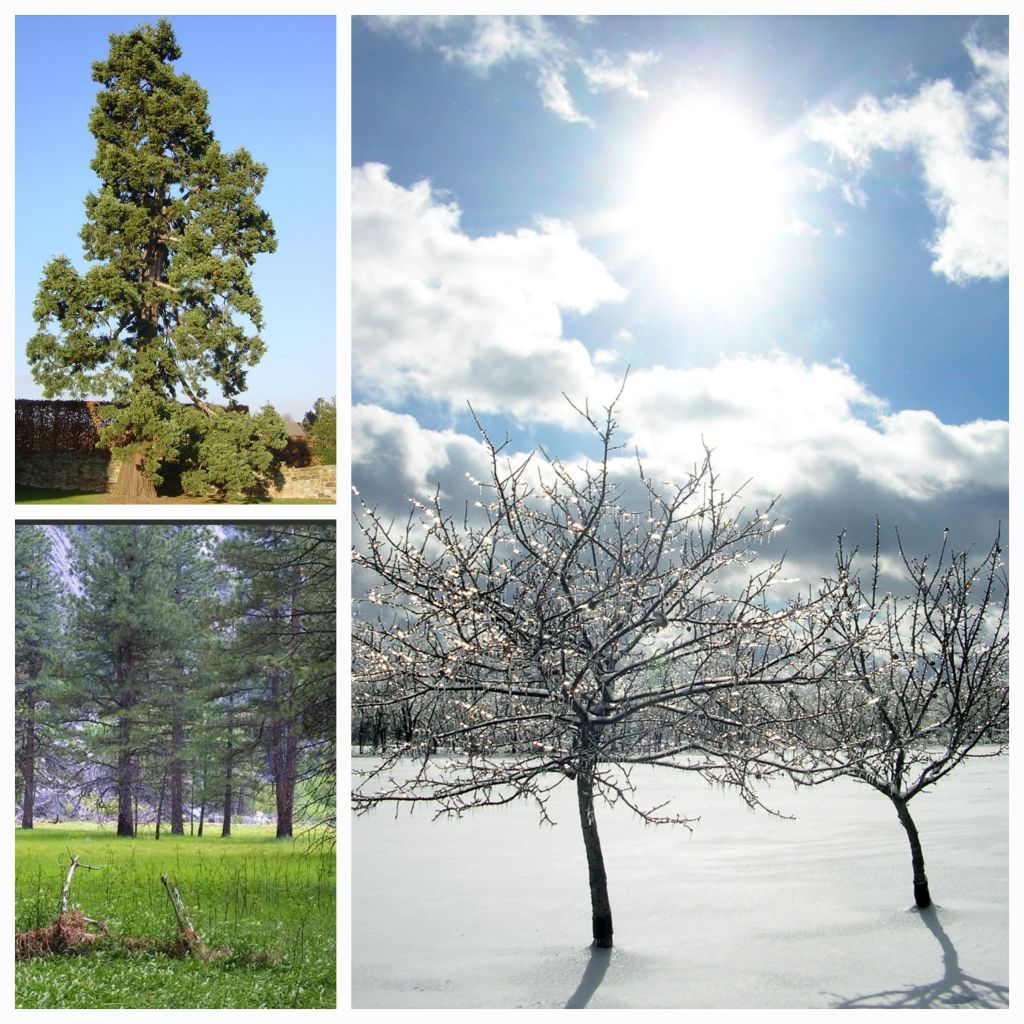
So, what’s the fun fact I learned? It’s that trees breathe, they pulse, and perhaps, in some ineffable way, they are aware. Their slow-motion heartbeat connects them to us in ways we’re only beginning to understand. It’s a reminder of how much life there is around us that we fail to notice, how we’re enveloped by a living world that moves to rhythms more patient than our own.
The next time you see a tree, pay attention to it. Touch its bark, listen closely, breathe with it. You might just feel that pulse—ancient, steady, whispering back to you that it, too, is alive.
#TreeHeartbeat #NatureConnection #AncientWisdom #EnvironmentalAwareness #WoodWideWeb #PlantIntelligence #ForestTherapy #SlowLiving #MindfulNature


 Poetry Hub
Leave a reply to PebbleGalaxy Cancel reply