The Transformative Impact of Psilocybin-Assisted Therapy on Mental Health and Addiction Recovery
Psychedelic drug therapy is emerging as a groundbreaking approach to addressing mental health challenges in cancer patients and individuals with addiction. Notably, studies from NYU Langone Health and the NYU Grossman School of Medicine reveal promising insights into psilocybin’s potential. Therefore, this therapy has garnered significant attention for its ability to reduce psychological distress while fostering lasting positive changes in personality.
Psilocybin-Assisted Therapy for Cancer Patients
In particular, cancer patients often struggle with anxiety, depression, and obsessive thoughts due to their diagnosis. To address these challenges, researchers analyzed data from two clinical trials involving psilocybin-assisted psychotherapy. Interestingly, the findings indicate that one or two doses of psilocybin, paired with psychotherapy, can significantly reduce symptoms of psychological distress.
For instance, patients reported reduced anger, obsessive thoughts, and physical symptoms associated with mental health issues. Moreover, these improvements lasted up to six months, showcasing the therapy’s long-term benefits. Consequently, this innovative treatment offers cancer patients hope for improved emotional well-being during an incredibly challenging time.
Safety and Efficacy of Psilocybin Therapy
Despite initial concerns about psilocybin’s mind-altering properties, researchers found it to be both safe and effective under medical supervision. For example, patients did not experience lasting paranoia, psychosis, or debilitating fear during or after treatment. Thus, the findings underscore psilocybin’s potential to be administered safely when combined with psychotherapy in a controlled setting.
Furthermore, the therapy provides patients with profound emotional and spiritual experiences. Consequently, these experiences lead to enhanced self-awareness and a renewed sense of purpose. As a result, psilocybin therapy fosters a holistic approach to mental health care.
Lasting Personality Changes in Alcohol Use Disorder
Not only does psilocybin benefit cancer patients, but it also shows promise for individuals battling alcohol use disorder. In another study, researchers assessed personality changes in patients undergoing psilocybin-assisted psychotherapy for addiction. Interestingly, participants treated with psilocybin exhibited significant reductions in impulsivity, depression, and vulnerability.
Moreover, these patients developed increased openness, allowing them to better process emotions and thoughts. Notably, these changes were still evident seven months after the therapy. Therefore, the treatment offers a sustainable path to recovery for individuals struggling with addiction.
Gender-Based Insights into Therapy Outcomes
Interestingly, researchers observed gender-based differences in the therapy’s effects on personality. For example, men often experienced heightened positive emotions, whereas women demonstrated increased openness. Although the reasons behind these differences remain unclear, further research could unveil personalized treatment strategies.
As a result, tailoring psilocybin therapy based on individual traits or gender could set new standards in patient-centric care. Additionally, these findings highlight the need for more diverse and inclusive clinical trials to ensure comprehensive insights.
The Role of Psychotherapy in Enhancing Psilocybin’s Benefits
While psilocybin itself has transformative properties, psychotherapy plays a crucial role in enhancing its effectiveness. Before and after dosing sessions, participants underwent psychotherapy to prepare for and process their experiences. This integration of therapy ensures that patients fully benefit from psilocybin’s mood-altering effects.
Furthermore, psychotherapy helps patients address underlying psychological issues, creating a strong foundation for lasting recovery. Consequently, the combination of psilocybin and psychotherapy represents a holistic approach to mental health treatment.
Future Directions in Psilocybin Research
As the body of evidence supporting psilocybin therapy grows, researchers are exploring its potential for other conditions. For instance, studies are underway to determine its effectiveness in treating opioid-use disorder. Additionally, the therapy’s impact on personality changes could extend to other areas of mental health care.
Moreover, researchers aim to understand the long-term implications of psilocybin therapy. By doing so, they hope to establish it as a reliable and safe option for individuals with diverse mental health needs.
Addressing Concerns and Ensuring Responsible Use
Despite its promise, psilocybin therapy must be administered responsibly to ensure patient safety. For this reason, researchers emphasize the importance of controlled settings and medical supervision during treatment. Additionally, thorough psychological evaluations and preparation are critical for minimizing potential risks.
Moreover, public education about psilocybin’s benefits and limitations is essential for fostering informed decision-making. As a result, increased awareness can help destigmatize this innovative approach to mental health care.
Funding and Collaborative Efforts in Psilocybin Research
The groundbreaking findings from these studies were made possible through significant funding and collaboration. Notably, institutions such as the Heffter Research Institute, the RiverStyx Foundation, and the National Institutes of Health supported the research. Additionally, partnerships with prominent universities and organizations ensured comprehensive and high-quality studies.
Therefore, continued funding and collaboration are crucial for advancing psilocybin research. By investing in this field, stakeholders can unlock new possibilities for mental health and addiction treatment.
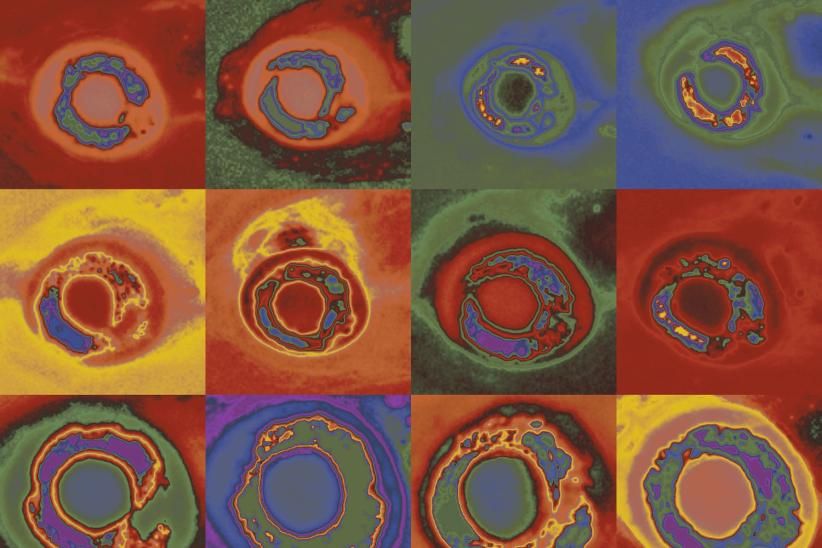
Psilocybin Therapy: Transforming the Mental Health Landscape
In conclusion, psilocybin-assisted therapy represents a transformative shift in addressing mental health challenges and addiction recovery. Through its ability to foster lasting personality changes, it offers hope for patients seeking holistic care. Moreover, its safety and efficacy, when administered responsibly, make it a promising addition to modern medicine.
As research progresses, this innovative therapy has the potential to redefine mental health care. Ultimately, by embracing such groundbreaking approaches, the healthcare industry can better address the complex needs of patients worldwide.
#PsilocybinTherapy #MentalHealthMatters #AddictionRecovery #PsychedelicResearch #CancerCare #HolisticHealing #MentalWellness


 Poetry Hub
Leave a reply to satyam rastogi Cancel reply