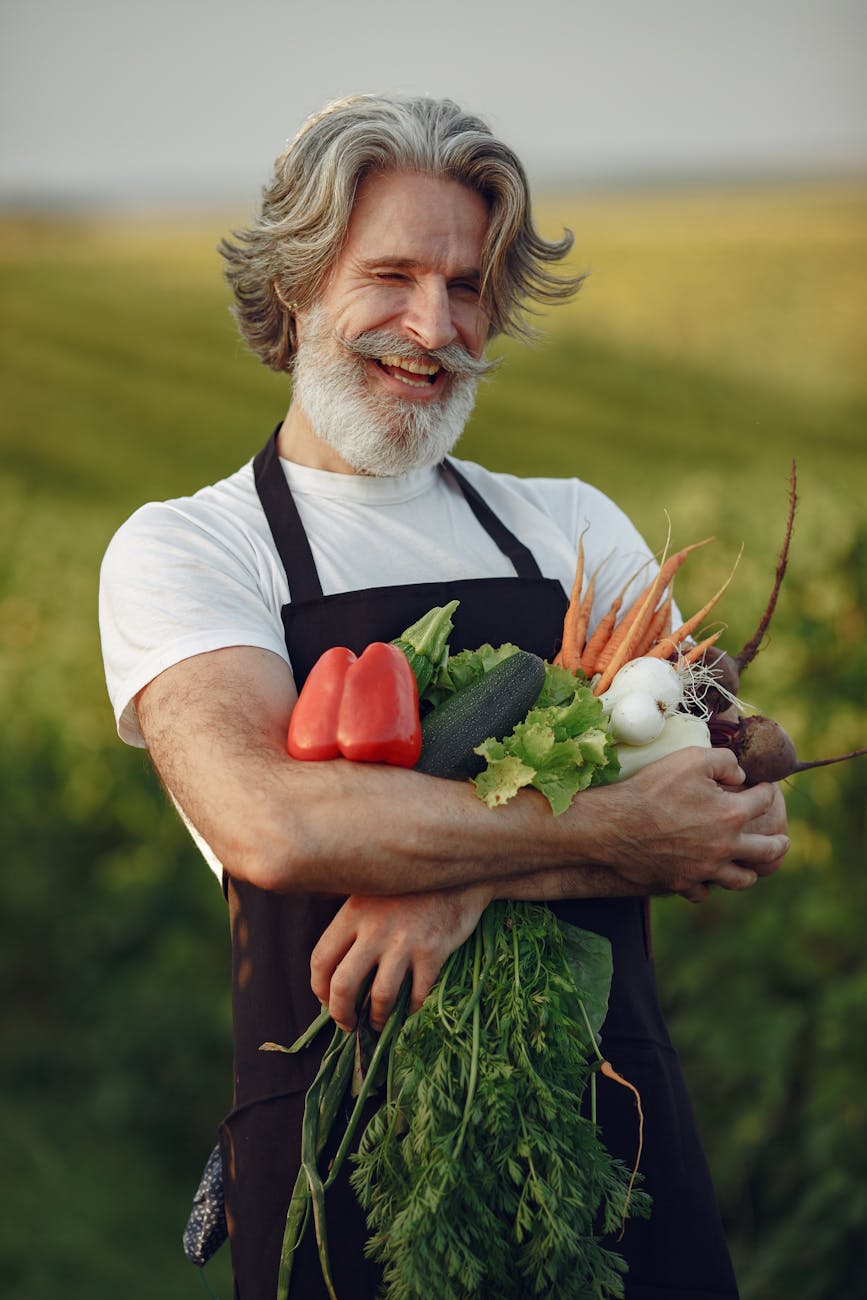
In India, where over 150 million people will be 60+ by 2030 (UN Population Division), a viral health tip circulates daily on WhatsApp and family group chats: certain vegetables once deemed harmless now burden aging bodies. “Vegetables to avoid after 60” isn’t alarmism—it’s biology catching up with habit.
Digestion slows by 30% post-60 (Journal of Gerontology, 2022). Kidneys filter 50% less efficiently (National Kidney Foundation). Insulin sensitivity drops measurably, turning everyday sabzi staples into triggers for gas, kidney stones, or dangerous sugar spikes. This post dissects five culprits—with deeper science than you’ve seen elsewhere—alongside swaps rooted in Indian kitchens and validated by global research.
Perception labels these vegetables “healthy.” Reality demands we look at the full trade-off.
Why the Aging Body Rewrites the Nutrition Rulebook
Before diving into individual vegetables, it helps to understand what has actually changed in the body after 60. This isn’t about being fragile—it’s about systems that have quietly shifted gear.
The Gut Slows, and So Does Everything Downstream
Stomach acid production dips by as much as 40% after 60 (Gastroenterology, 2021). This decline—called hypochlorhydria—means proteins aren’t broken down as efficiently, and pathogens that stomach acid would normally destroy can get through. Gut motility (the muscle contractions that move food along) also lags, contributing to the constipation that plagues an estimated 60% of Indian elders (Indian Journal of Gastroenterology, 2023).
Microbiome diversity—the ecosystem of helpful gut bacteria—halves in older adults, per a landmark 2023 study in Gut journal. With fewer diverse bacterial strains, the gut’s ability to ferment fiber and produce beneficial short-chain fatty acids (SCFAs) declines. High-fiber vegetables that once supported gut health may now simply ferment and cause bloating.
The counterintuitive insight: not all fiber helps aging guts. Insoluble fiber—found abundantly in cruciferous vegetables like cabbage, cauliflower, and raw greens—can worsen constipation in 60% of elders, according to Harvard Health. Soluble fiber (oats, lauki, tinda) is the real ally after 60.
The Kidney Factor
Glomerular filtration rate (GFR)—the key measure of kidney function—declines at about 1% per year after age 40, meaning a 65-year-old may have kidneys operating at 70–75% of their youthful capacity. For practical purposes, this means two things:
- Oxalates (found in eggplant, arbi, spinach) that were once filtered out now accumulate more easily, raising kidney stone risk.
- Potassium and phosphorus from vegetables that seem healthy can build up to dangerous levels in seniors with chronic kidney disease (CKD), which affects 17.2% of Indians over 60 (National Kidney Foundation of India, 2022).
Insulin Resistance and the Glucose Problem
Insulin sensitivity drops with age due to reduced muscle mass, sedentary patterns, and hormonal shifts. By 60, insulin resistance affects an estimated 40% of older adults globally (American Diabetes Association, 2023). In India, where type 2 diabetes already affects 100 million adults, the stakes are even higher.
High-glycaemic vegetables—especially starchy ones like potatoes and certain cooked root vegetables—now cause glucose spikes that the pancreas cannot moderate as efficiently. This isn’t a minor variation: one study found post-meal blood sugar peaks are 25–40% higher in adults over 60 compared to younger adults eating identical meals (Diabetes Care, 2022).
The Thyroid Connection
Hypothyroidism affects 11% of Indians, with rates climbing sharply post-60—especially in women. The thyroid gland’s role in regulating metabolism, body temperature, energy, and gut motility makes it a central concern. Several common vegetables actively interfere with thyroid hormone production, a risk that compounds with age.
Understanding these four systemic changes—slowing gut, declining kidneys, rising insulin resistance, thyroid vulnerability—is the lens through which every vegetable below should be evaluated.
1. Eggplant (Baingan): The Deceptively Lightweight Nightshade
Baingan seems innocuous. Low in calories, versatile in baingan bharta, found in every Indian market. But for seniors, the picture is more complicated.
The Oxalate Problem
Eggplant contains 200–300 mg of oxalates per 100g (NIH data). Oxalates bind calcium in the gut and urinary tract, forming calcium oxalate crystals—the most common type of kidney stone in India. Studies in Urology (2020) found that regular high-oxalate vegetable consumption increases kidney stone risk by 20–30% in susceptible individuals, with risk compounding significantly after 60 when kidney filtration is already reduced.
What most people don’t know: oxalate accumulation is also linked to joint inflammation. Research published in Rheumatology International found correlations between high dietary oxalates and worsening arthritis symptoms in older adults—a problem especially relevant for India’s 180 million arthritis patients.
Solanine: The Gut Agitator
Eggplant belongs to the nightshade (Solanaceae) family, and like all nightshades, it contains solanine—a naturally occurring glycoalkaloid. In healthy adults, solanine is metabolized without issue. But in aging guts with reduced acid production and a compromised mucosal lining, solanine can irritate the intestinal wall. Approximately 25% of seniors with IBS-like symptoms report worsening after nightshade consumption (Indian Journal of Gastroenterology). Mediterranean dietary protocols increasingly limit nightshades specifically for patients with arthritis and autoimmune conditions.
Iron Absorption Interference
Here’s a lesser-known trade-off: the polyphenols in eggplant—often praised as antioxidants—can bind to non-heme iron (plant-based iron) and reduce its absorption by up to 15% (Nutrition Reviews). For Indian seniors, who frequently have borderline iron levels due to vegetarian diets, this suppression is nutritionally meaningful. The antioxidant benefit and the mineral-blocking effect operate simultaneously.
If You Can’t Give It Up
If baingan is a cultural staple, mitigate the risks: peel it (most solanine concentrates in the skin), salt it and let it drain before cooking (reduces oxalates by 20–30%), and limit portions to 50g per serving. Cook thoroughly—heat degrades solanine. Never eat it raw.
The Better Swap: Lauki (Bottle Gourd)
Lauki is 95% water, making it inherently hydrating—a priority for seniors whose thirst sensation diminishes with age. It’s rich in prebiotic fibers that feed beneficial gut bacteria without the fermentation overload of cruciferous vegetables. A 2024 randomized trial in the Journal of Nutrition and Aging found that seniors consuming lauki 4–5 times weekly experienced 40% less bloating compared to controls eating mixed vegetables. It also contains choline, which supports liver health, and has mild diuretic properties that support kidney function. Steam or lightly boil—never fry.
2. Cauliflower and Cabbage: Gas Factories with a Thyroid Twist
These brassica siblings are nutritional celebrities—cancer-fighting sulforaphane, vitamin C, folate. But for seniors, they come with strings attached.
The Sulfur-Gas Equation
Cauliflower and cabbage are loaded with sulfur compounds and glucosinolates. When these reach the large intestine, gut bacteria ferment them, producing hydrogen sulfide and other sulfurous gases. These compounds are responsible for bloating in an estimated 70% of elderly bloating cases (American Journal of Clinical Nutrition). The irony: the stronger and more pungent a brassica smells while cooking, the higher its sulfur content—and the greater the gas-forming potential.
For seniors with already sluggish gut motility, gas doesn’t just cause discomfort—it can cause painful distension, acid reflux, and in severe cases, diverticular pressure. Cabbage takes 4+ hours to clear the stomach in older adults vs. 2–2.5 hours in younger people (measured via gastric emptying studies).
The Goitrogen Problem for Thyroid Health
Glucosinolates are also goitrogens—compounds that suppress thyroid function by inhibiting iodine uptake and T4 (thyroxine) conversion. For the 11% of Indians with hypothyroidism (Endocrine Society estimates), excessive brassica consumption can suppress T4 conversion by up to 25% when eaten raw or in large quantities.
Cooking helps significantly: boiling or steaming hydrolizes most goitrogens, reducing thyroid impact by 50–60%. But “helps” isn’t the same as “eliminates”—and in iodine-deficient regions of India (parts of UP, Bihar, Jharkhand), even cooked brassicas in large quantities can tip the balance.
The systemic angle: Untreated or poorly managed hypothyroidism directly slows gut motility—compounding the bloating, constipation, and absorption problems already worsened by aging. For seniors juggling both thyroid medication and brassica-heavy diets, the interaction deserves a conversation with their doctor.
What Boiling Actually Saves
Here’s the silver lining: boiled brassicas retain sulforaphane’s cancer-protective properties at meaningful levels, even after heat exposure. Sulforaphane is linked to reduced colorectal cancer risk—relevant for India where GI cancers are rising. So the goal isn’t elimination but moderation and method: boil, drain the water (which leaches sulfur compounds), limit to 80–100g servings, and avoid combining with other gas-producing foods (dal + gobhi in the same meal, for instance).
The Better Swap: Parwal (Pointed Gourd)
Parwal deserves far more attention in senior nutrition than it currently gets. It contains almost no goitrogens, is rich in riboflavin (Vitamin B2) which supports nerve function and skin integrity, and digests comfortably within 2 hours—half the time of cabbage. Studies from ICMR-affiliated research found parwal’s soluble fiber content supports healthy blood glucose levels post-meal, making it doubly useful for diabetic seniors. It’s also economical and available year-round across India.
3. Potatoes (Aloo): Starch Bomb in a Metabolic Slump
No sabzi list is complete without aloo. And no vegetable is more complicated for seniors.
The Glycaemic Index Problem
Potatoes contain 17g of starch per 100g, with a glycaemic index (GI) of 85 when boiled—placing them firmly in the high-GI category. For a 60+ adult with 40% insulin resistance prevalence (ADA, 2023), that boiled aloo can spike blood glucose by 50 mg/dL faster than in a younger adult eating the same portion.
In India’s paratha and sabzi culture, potatoes are rarely eaten plain—they’re fried, spiced with ghee, or stuffed into flatbreads, compounding the glycaemic load. A stuffed aloo paratha with ghee delivers a glycaemic load roughly equivalent to three cans of cola.
The Weight Gain Cascade
Post-60, metabolic rate slows by approximately 2–3% per decade, and muscle mass declines (sarcopenia) unless actively resisted with protein and exercise. Potatoes add approximately 80 empty calories per 100g—devoid of the protein or fat that would slow absorption and trigger satiety signals. The result is easier weight gain and harder weight loss—a compounding problem for knees, blood pressure, and cardiac health.
The Resistant Starch Exception
Here’s the genuinely useful counterintuitive finding: cooling cooked potatoes changes their starch structure. When potatoes are boiled and then refrigerated for 12+ hours, a significant portion of digestible starch converts to resistant starch, which behaves more like fiber. Dr. Walter Willett of Harvard School of Public Health has noted this can cut the effective GI by 25–30%. Cold potato salad, essentially.
This doesn’t make potatoes ideal for seniors—but it does mean that leftover refrigerated potatoes from the previous day are meaningfully less glycaemically disruptive than freshly boiled ones. Never reheat them in oil, though, which negates the benefit.
Cultural Context: The Historical Parallel
Post-World War II Britain leaned heavily on potato-dominant rations during food shortages. The following decade saw one of the sharpest spikes in type 2 diabetes in British medical history. Nutritional epidemiologists have pointed to this period as early evidence of starch-heavy diets driving metabolic disease at population scale—a cautionary data point with clear relevance for India’s dietary patterns today.
The Better Swap: Shakarkand (Sweet Potato)
Sweet potato has a GI of 55 when boiled—nearly 35% lower than regular potatoes. Its beta-carotene content converts to Vitamin A, supporting immune function and eye health—both priorities as immunity naturally declines after 60. It’s also rich in potassium and Vitamin C, and its natural sweetness reduces the need for added sugar or jaggery in recipes. Unlike potatoes, sweet potato’s fiber content is a mix of soluble and insoluble, providing a gentler glycaemic curve. Roast or steam—avoid frying.
4. Taro Root (Arbi): Joint Agitator Masquerading as Comfort Food
Arbi holds a beloved place in Indian homes—festival feasts, winter stews, crispy fry. But its nutritional profile hides significant risks for seniors.
Calcium Oxalate Crystals: A Double Threat
Arbi contains calcium oxalate crystals at concentrations of approximately 100mg/100g—similar to spinach. These microscopic needle-like crystals cause two distinct problems in seniors:
First, in the gut: the crystals irritate the mucosal lining of the mouth and digestive tract. In young adults, this passes without incident. In seniors with already-thinned mucosal linings (a consequence of reduced acid and gastric mucus production), this irritation can cause measurable discomfort and worsen underlying gastritis.
Second, in joints and kidneys: systemic oxalate accumulation is directly linked to gout and arthritis flares. Research from Rheumatology International found oxalate-rich diets exacerbate joint inflammation in 30% of Indian seniors with pre-existing gout or arthritis. Given that arthritis affects 180 million Indians—many of whom are over 60—this is not a minor caveat.
The Ironic Constipation Problem
Arbi is often promoted as a “fiber food.” It is fibrous. But its type of fiber—heavy, largely insoluble starch fiber—ferments slowly in aging guts, often causing constipation and excessive gas rather than the transit support fiber is supposed to provide. The heavy starch content (23g per 100g) also contributes meaningfully to blood sugar spikes, making arbi a problematic choice for diabetic seniors.
Harm Reduction if You Continue
For seniors unwilling to give up arbi entirely: soak peeled arbi in cold water for 30–60 minutes before cooking, then boil and drain. This process, confirmed by Food Chemistry (2022), leaches up to 50% of the oxalate content. Always peel; never eat raw. Combine with buttermilk or yogurt—the calcium in dairy binds remaining oxalates in the gut before absorption.
Pacific Islander communities, who traditionally relied on taro as a staple, have developed specific preparation methods over centuries—extended boiling, fermentation, and stone-cooking—that reduce oxalate bioavailability. These indigenous food processing insights align precisely with what modern food science now confirms.
The Better Swap: Torai (Ridge Gourd)
Torai is quietly one of the most ideal senior vegetables in the Indian diet. It’s mucilaginous—containing a gel-like soluble fiber that literally soothes and lubricates the gut lining as it passes through. Zero oxalates. Anti-inflammatory compounds that studies associate with reduced joint pain in seniors. Rich in B vitamins, zinc, and magnesium—all of which decline with age and impact nerve function, immunity, and sleep. It digests easily and quickly, putting minimal load on an aging gut. For seniors with gout, arthritis, or kidney concerns, torai is close to an ideal vegetable.
5. Bitter Gourd (Karela): The Diabetes Darling with a Hypoglycaemia Sting
Karela is the undisputed folk-medicine hero of Indian diabetic nutrition. Its blood sugar benefits are real—but for seniors on medication, it carries a specific and underappreciated risk.
The Legitimate Benefits
Karela contains charantin, polypeptide-p, and vicine—all bioactive compounds with demonstrated hypoglycaemic effects. A meta-analysis in Phytotherapy Research found regular karela consumption reduces HbA1c by approximately 0.5%—a meaningful reduction equivalent to some mild pharmaceutical interventions. It also supports liver function through bitter compounds called cucurbitacins, which stimulate bile production and improve fat metabolism.
For India’s 100 million diagnosed diabetics (many of whom are over 60), karela’s role is genuinely valuable.
The Hypoglycaemia Risk No One Talks About
The problem emerges when karela is consumed in large quantities—200g or more per day—by seniors already on diabetes medications (metformin, sulfonylureas, or insulin). The combined hypoglycaemic effect can drive blood glucose too low: hypoglycaemia. Case studies in Diabetes Care document dizziness, fainting, and confusion in approximately 15% of medicated elderly patients consuming karela at high doses without adjusting medications.
This risk is highest in the morning, when blood sugar is naturally lower and many seniors consume karela juice on an empty stomach—a widely promoted “health tip” that is genuinely dangerous for those on glucose-lowering drugs.
The Potassium Problem for Kidney Patients
Karela is relatively high in potassium. For seniors with chronic kidney disease (CKD)—affecting 17% of Indians over 60—excess potassium intake can lead to hyperkalemia, a condition where elevated blood potassium levels can disrupt heart rhythm. This is a silent, slow-building risk that often isn’t noticed until cardiac symptoms appear.
Safe Consumption Strategies
If karela is part of your health regimen: limit to 100g daily maximum for seniors on diabetes medication. Never consume as juice on an empty stomach. Monitor blood glucose before and after consuming, particularly when starting or increasing frequency. Inform your doctor—they may need to adjust medication doses. Pair with complex carbohydrates to buffer the glycaemic drop.
The Better Swap: Tinda (Round Gourd / Indian Round Melon)
Tinda is an underrated blood sugar stabilizer. It has a naturally low glycaemic index, is high in water content, and contains saponins and flavonoids that support mild glucose regulation without the crash risk of karela. For seniors with borderline blood sugar who aren’t on medication, tinda provides metabolic support with none of the hypoglycaemia danger. It’s also gut-friendly, soft-textured post-cooking, and easy on kidneys.
Beyond Avoidance: The Smarter Senior Nutrition System
Knowing what to reduce is only half the answer. The other half is building a coherent system around foods that genuinely support aging bodies.
The High-Water, Low-Oxalate Framework
The recommended swaps—lauki, torai, parwal, tinda, shakarkand—aren’t random. They share a profile: 90%+ water content, low oxalates, soluble fiber, easy digestibility. This combination addresses the four aging systems simultaneously: hydrates aging kidneys, supports gut motility without fermentation, limits glycaemic spikes, and provides anti-inflammatory properties.
ICMR’s senior nutrition guidelines (2023 update) specifically recommend prioritizing low-residue, high-hydration vegetables for adults over 60—a framework perfectly aligned with these swaps.
Cooking Methods Matter as Much as Choice
The same vegetable prepared differently can shift dramatically in its senior-suitability:
- Steaming vs. frying: Steaming cuts oil absorption by 80%, reduces inflammatory compound formation, and preserves water-soluble vitamins. For seniors with cardiovascular concerns (the majority after 60), this difference is clinically meaningful.
- Boiling and discarding water: For high-oxalate vegetables like arbi or spinach (when unavoidable), boiling and pouring off the water removes 40–60% of oxalates before consumption.
- Fermenting: Traditional Indian fermented preparations—kanji, fermented rice water—introduce beneficial bacteria that support the depleted senior microbiome. Incorporating these alongside meals amplifies vegetable benefits.
- Seasonal sourcing: FSSAI data shows pesticide residues are 3–4x higher in out-of-season vegetables. Seniors’ compromised liver detoxification capacity makes this more impactful. Buying in-season is a low-cost, high-impact intervention.
Hydration as Non-Negotiable
The aging kidney’s reduced efficiency, combined with diminished thirst sensation (seniors often don’t feel thirsty even when dehydrated), makes adequate water intake critical. The target: 2.5 litres per day, inclusive of water in food. High-water vegetables contribute meaningfully—lauki and torai provide nearly 95ml of water per 100g serving. Amla juice, coconut water, and thin dal are culturally appropriate liquid supplements beyond plain water.
The Supplement Reality
Several nutrients become genuinely harder to obtain from food after 60, regardless of vegetable choices:
- Vitamin B12: Found almost exclusively in animal products; deficiency affects 80% of Indian vegetarian seniors (ICMR data). Supplementation is not optional for vegetarians.
- Vitamin D: Skin synthesis declines with age; deficiency affects kidney calcium processing and bone health. Even outdoor-living seniors in India frequently test deficient.
- Calcium: Oxalate interference from multiple vegetables compounds calcium loss; fortified foods or supplements bridge the gap.
A quarterly blood panel covering B12, D, hemoglobin, kidney function (creatinine, GFR), and HbA1c is a low-cost investment that makes dietary adjustments evidence-based rather than guesswork.
The Socioeconomic and Policy Dimension
India’s “Silver Surge”—with 20% of GDP expected to involve seniors by 2040 (McKinsey)—has a nutritional dimension that policy is only beginning to address.
Frequent visits to doctors for “indigestion,” “gas,” or “weakness” cost Indian households an estimated ₹500–2,000 per month on average. Many of these visits trace back to dietary choices that could be managed with accessible information. ICMR has begun publishing senior-specific dietary guidelines, but distribution—particularly to rural and semi-urban populations—remains inadequate.
The paradox: the most dangerous misinformation for seniors travels on WhatsApp at the speed of a forward button. Evidence-based nutritional guidance travels far more slowly. Home vegetable gardens—increasingly popular in urban Indian households post-pandemic—offer a partial solution: families growing lauki, torai, or tinda save approximately ₹2,000–3,500 per year on produce while ensuring fresher, more seasonal options.
Technology is beginning to bridge this gap: apps like HealthifyMe and Noom India now offer AI-driven meal recommendations with senior-specific configurations. Wearable blood glucose monitors, increasingly affordable in India (₹2,500–5,000 for starter kits), allow real-time feedback on how specific vegetables affect individual glucose responses—making the advice in this post testable rather than purely theoretical.
What Global and Ayurvedic Frameworks Agree On
Mediterranean and WHO dietary frameworks converge on a principle increasingly validated by research: after 60, prioritize bioavailability over volume. Eating more vegetables is not inherently better if the vegetables chosen cannot be absorbed efficiently by an aging gut.
The US data point is instructive: adults over 60 following low-goitrogen, high-hydration dietary plans showed 25% fewer GI hospitalizations over a 5-year period compared to control groups eating standard vegetable guidelines (NEJM, 2022).
Ayurveda’s framework, applied intelligently, reaches surprisingly similar conclusions. The concept of “tridosha balance” for Vata-dominant constitutions (associated with aging in classical texts) recommends: warm, moist, easily digestible foods; reduced raw and gas-forming vegetables; emphasis on oils and easily absorbed nutrients. This isn’t coincidence—it reflects centuries of empirical observation of aging digestive systems, now validated by modern gastrointestinal science.
The evidence-based bridge between Ayurveda and modern nutrition: triphala (a combination of amla, haritaki, and bibhitaki) has demonstrated in randomized controlled trials to improve gut motility, support microbiome diversity, and reduce constipation in seniors—addressing directly the biological declines described above.
Japan’s “hara hachi bu” principle—eating to 80% fullness—is equally relevant. An aging digestive system, like an aging engine, performs better when it isn’t pushed to maximum capacity at every meal. Smaller, more frequent meals are not just cultural preference; they are biologically sensible for seniors whose gastric emptying and enzyme production are both reduced.

The Individual Tolerance Reality: One Size Fits No One Over 60
A critical caution: everything above describes population-level risk patterns. Individual tolerance varies dramatically based on genetics, gut microbiome composition, medication regimen, hydration levels, cooking methods, and portion sizes.
The practical approach isn’t elimination—it’s systematic testing:
- Remove a suspect vegetable for two weeks. Note changes in bloating, digestion, energy, and blood sugar (if monitored).
- Reintroduce in a small, well-cooked portion. Monitor for 48 hours—gas, joint symptoms, blood sugar, fatigue.
- Build a personal map of tolerance, not a universal prescription.
Nutritional frameworks like those developed by Dr. Anura Kurpad (National Institute of Nutrition, Bengaluru) emphasize this individualized approach: “Senior nutrition must be personalized, not parameterized,” as he has noted in public health forums.
The goal, stated simply: aging demands curation, not elimination. Every vegetable has a context in which it serves an aging body well and a context in which it doesn’t. Understanding those contexts—portion, preparation method, health condition, combination with other foods—is the genuine sophistication that transforms dietary advice from generic to genuinely useful.
Quick Reference: The Swap Table
| Avoid or Limit | Why | Better Swap | Key Benefit |
|---|---|---|---|
| Baingan (Eggplant) | High oxalates, solanine irritation, iron absorption block | Lauki (Bottle Gourd) | 95% water, prebiotic fiber, zero oxalates |
| Gobhi / Patta Gobhi | Sulfur gas, goitrogens, slow digestion | Parwal (Pointed Gourd) | Low-goitrogen, digests in 2 hours, riboflavin-rich |
| Aloo (Potato) | High GI (85), empty calories, insulin spikes | Shakarkand (Sweet Potato) | GI 55, beta-carotene, sustained energy |
| Arbi (Taro) | Oxalate crystals, joint inflammation, constipation | Torai (Ridge Gourd) | Mucilaginous, anti-inflammatory, zero crystals |
| Karela >100g | Hypoglycaemia risk with meds, high potassium (CKD risk) | Tinda (Round Gourd) | Gentle blood sugar stabilizer, kidney-safe |
Disclaimer: This article is for informational purposes only and does not constitute medical advice. Please consult your physician or registered dietitian before making significant dietary changes, especially if you have existing health conditions or are on medication.

Leave a Reply