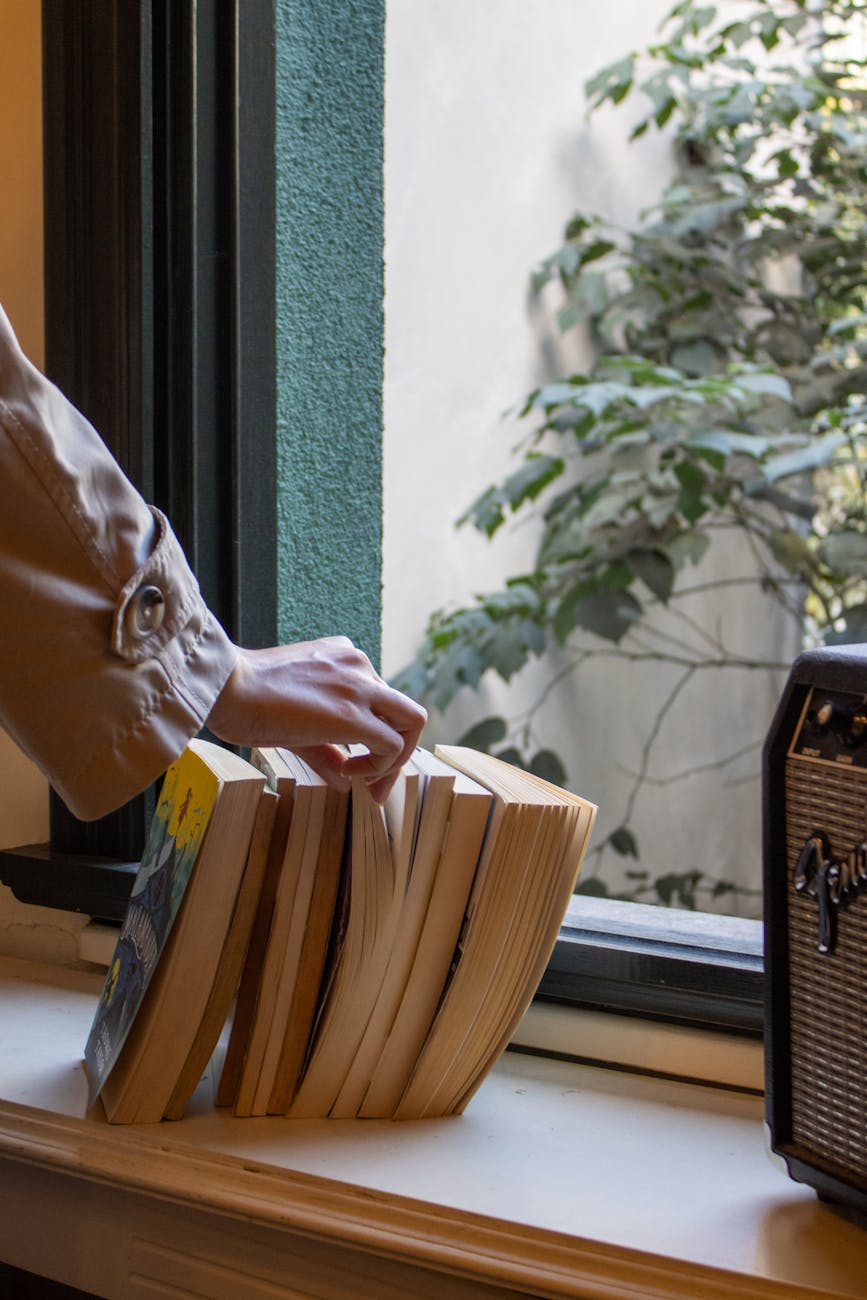
The Power of Disorienting Stories: Finding Truth at the Edge of Experience
We often treat reading as a sanctuary, a quiet space where we curl up expecting to escape reality. We assume that literature should be a comfort, a gentle mirror of our best selves. Yet, there exists a library of unsettling works that refuse to leave the reader sane. These narratives crawl under the skin and numb the body, leaving that heavy silence where one simply sits and stares at nothing to process the weight of the words. The Power of Disorienting Stories lies in this fundamental shift: the most powerful stories are not those that frighten us in the fleeting moment, but those that change us permanently. These are the books that readers describe as having scarred them forever—narratives full of obsession, violence, and the blurred lines between right and wrong.
To engage with such work is to enter the realm of transgressive fiction, a genre that focuses on characters who feel confined by the norms and expectations of society and break free through unusual or illicit ways. It builds on the philosophical premise that true knowledge is found at the very edge of human experience and that the body itself is the site for gaining this knowledge. Whether it is the disfigured model in Invisible Monsters who shoots herself to escape the prison of beauty, or the nameless prisoner in The Room descending into a feverish stream of consciousness, these stories prioritize the visceral over the comfortable. They suggest that our internal reality is often a fragile construct, easily dismantled by the fever dream of a well-crafted, disorienting narrative.
The Inner Reality
The inner reality of these experiences has marks by a strange paradox. Readers who survive these books—for they do not merely finish them; they survive them—often find themselves wishing they could unread what they have witnessed. Yet, they simultaneously acknowledge that these stories have made them more aware, more empathetic, and more conscious of the fragility of innocence. There is a specific kind of psychological aftermath that follows the exploration of the darkest sides of life. It forces us to grapple with how ordinary intelligence can use to rationalize extraordinary evil, as seen through the cultured, chilling voice of an SS officer in The Kindly Ones. This internal conflict is what makes the experience transformative; we are no longer observers, but participants in a collapsing psyche.
This philosophy grounds in subtle shifts in perception. It is the sick feeling in the stomach that lingers for weeks after closing a book like The Road, where a father’s inability to provide comfort in a barren world feels devastatingly real. It is the realization in The Girl Next Door that silence can be just as damning as violence, turning an ordinary suburban setting into a site of unthinkable horror. These moments do not rely on dramatic tropes but on the prickly animal instinct anxiousness of being unable to escape a dangerous mythos or a fictionalized school massacre that feels all too plausible.
The lived experience of these stories is the recognition that the labyrinth is not just a physical space, but a metaphor for the inferno of the human mind. The reader realizes The Power of Disorienting Stories when they can no longer separate the book’s shadow from their own.
Source of Disorientation
From this wreckage, we discover that the narrative structure can itself be a source of disorientation. In House of Leaves, the larger-on-the-inside labyrinth and convoluted page layouts create both agoraphobic and claustrophobic effects that mirror the deterioration of the narrator’s life. We also learn that modern literary retellings can reinvigorate ancient, dry texts by reclaiming their mythological and psychological origins, such as reimagining the Iliad as a quiet, soft, and beautiful romance in The Song of Achilles. Furthermore, we find that horror is not always fiction; works like Empire of Pain show how calculated greed can devastate millions of lives, proving that real-world power can be more disturbing than any supernatural entity. These insights are not coming as teaching; we discover them through the daunting task of navigating a fractured state of mind.
Expanding outward, these narratives reveal a deep cultural and societal dissatisfaction with modern life. The rise of found-footage horror and liminal scares in digital culture—from The Blair Witch Project to creepypastas like the Backrooms—owes a direct debt to the metafictional disorientation pioneered by books like House of Leaves. This reveals a universal human nature: a fascination with the darkest corners of human desire as a way to test the limits of morality. When awareness deepens, we see that identity is often a marketing tool, and that we might need to find a new start by leaving our old, disfigured identities behind, just as the characters in transgressive fiction must. Through The Power of Disorienting Stories, we confront the possibility that our sense of self is just as mutable as the pages we turn.

A Contemplative Opening
Ultimately, it leaves us with a contemplative opening rather than a closed conclusion. The Power of Disorienting Stories reminds us that the minotaur we fear is often a shapeless monster spread by those who become obsessed with the story itself. To read a fever dream book is to accept that things are not going to be all right in a simple sense, but that there is a fragile thread of hope in the act of carrying memory forward when everything else has been stripped away. These stories are stone-alone horror trips that haunt our nights, yet they are also hauntingly beautiful explorations of what it means to be human in a world that is often bleak, beautiful, and believable all at once. Before you open the next notorious title, ask yourself: are you truly ready for a story you can’t unread?

Leave a Reply