What’s the best advice you’d give to someone younger than you?
There are questions that follow us quietly throughout life. Among them is this: what wisdom would we offer the person we used to be? This poem explores the idea of advice for younger self through the lens of mindfulness and compassion.
The poem is less about regret and more about understanding. It invites readers to pause, breathe, and discover that healing often unfolds slowly and beautifully.
River Before Sunrise: Before the Day Learned My Name
Before the birds announced the morning, before the city remembered itself, before buses coughed awake and windows filled with hurried ambitions,
there was a river.
Not dramatic. Not famous.
Only a ribbon of silver moving without argument.
I stood beside it with years folded behind my eyes, thinking of the person I once was—
young traveler, young dreamer, young keeper of impossible maps.
You believed everything had to happen immediately.
You thought clocks were judges
and life was a race.
You apologized
for resting.
You called exhaustion ambition.
And I wish I could sit beside you again, where moonlight crossed your books and invisible fears whispered that everyone else knew something you did not.
Listen.
The world is not a competition.
Trees do not compare leaves.
Stars do not hurry.
Spring never apologizes for arriving after winter.
You are allowed to become slowly.
You are allowed to bloom
unevenly.
You are allowed to begin again.
Ordinary Miracles
Do you remember the yellow bicycle?
The one with imperfect brakes?
You rode it through narrow streets, past tea stalls and sleeping dogs, through evenings scented with dust and rain.
Nothing remarkable happened.
And yet, everything remarkable happened.
Because joy rarely announces itself.
It hides inside ordinary things.
A cup cooling beside a book.
A familiar voice calling from another room.
Steam rising from tea.
Birdsong at dawn.
Sunlight on old floors.
The kindness of strangers.
The silence after tears.
Life lessons often arrive disguised as ordinary Tuesdays.
The Weight I Carried
For years, I tried to become enough.
Enough for teachers.
Enough for
strangers.
Enough for dreams that were not even mine.
I feared disappointment like sailors fear storms.
But storms pass.
And some storms, though terrible, wash the dust from forgotten windows.
One day, I learned that love does not demand perfection.
Love listens.
Love
waits.
Love forgives.
Love folds
laundry.
Love stays.
Sometimes love is simply holding someone’s hand without trying to fix the sorrow.
Storms and Their Lessons
There will be heartbreak.
People will leave.
Plans will collapse.
Dreams will change names.
You will cry inside rooms that once held laughter.
You will wonder whether healing exists.
And I promise—
it does.
Not suddenly.
Not beautifully.
Healing arrives like dawn.
First a pale line.
Then softer shadows.
Then
birds.
Then warmth.
Then the realization that darkness ended while you were not looking.
Broken things still reflect sunlight.
The Language of Silence
There will be days when loneliness sits beside you.
Offer it tea.
Do not fear silence.
Silence is not empty.
Silence is where answers remove
their shoes.
Silence teaches mindfulness.
Silence notices
rain.
Silence remembers breathing.
And breathing, simple breathing, has rescued more hearts than speeches.
Everyone carries invisible weather.
Some hide storms.
Some hide
winters.
Some hide oceans.
Be gentle.
The stranger beside you may be holding together an entire universe.
Dear Younger One
Stop treating yourself like a machine.
You are not an assignment.
You are not
numbers.
You are mornings.
You are
stories.
You are laughter.
You are
mistakes.
You are tenderness.
You are unfinished poems.
And becoming is enough.
What Success Never Taught Me
I once believed success would solve everything.
Money.
Recognition.
Achievement.
Yet peace arrived elsewhere.
Peace arrived while watering plants.
Peace arrived through
evening walks.
Peace arrived when I stopped demanding certainty from tomorrow.
Peace arrived while watching clouds forget their shapes.
Personal growth is quieter than advertisements promise.
It happens through apologies, through patience, through listening, through saying,
“I don’t know.”
A Letter Folded Into Your Pocket
If I could leave one letter inside your pocket, it would contain no grand philosophy.
Only this:
Drink water.
Sleep.
Call people you love.
Forgive yourself.
Take photographs.
Laugh loudly.
Read poetry.
Watch sunsets.
Protect your curiosity.
Trust kindness.
Keep learning.
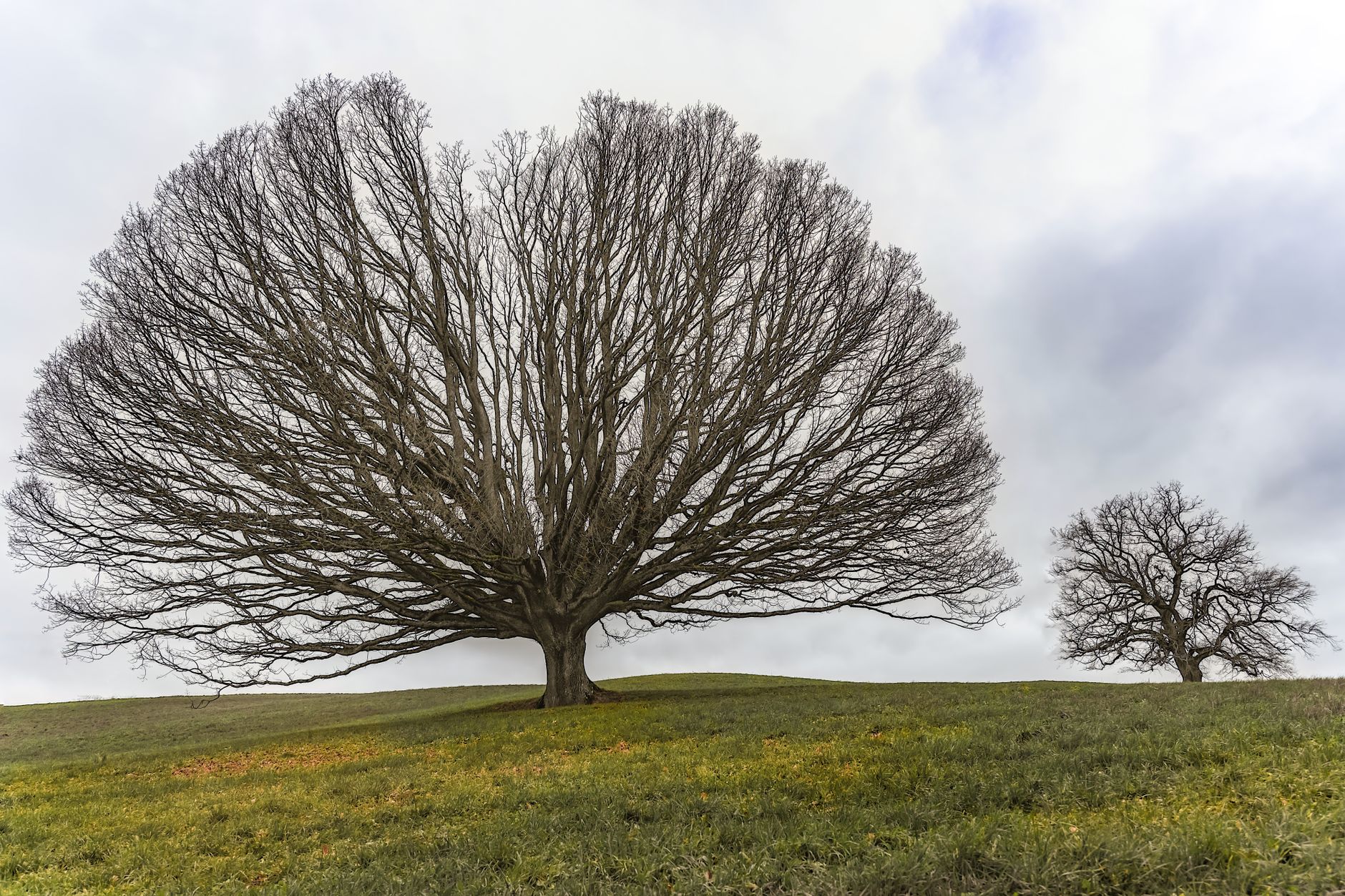
And whenever fear becomes loud, sit beneath trees.
Trees have survived more winters than your worries.
The Four Voices Within
The philosopher says,
Everything changes.
The wanderer says,
Keep walking.
The observer says,
Notice.
The child says,
Look at the moon.
And perhaps wisdom is simply allowing all four voices to sit together.
Seasons of Becoming
Years from now, I will reread old journals and smile kindly.
Not because I was perfect.
But because I survived.
Because hope remained.
Because even sorrow
became soil.
Because every loss taught tenderness.
Because every mistake
became language.
Because every season left gifts behind.
And I will understand that advice for my younger self was never about changing the past.
It was about loving the person who carried me here.
River Toward the Ocean
Tonight, the river still moves.
The stars still wait.
The wind still remembers leaves.
And somewhere inside memory, I am young again.
Not to rewrite history.
Not to erase pain.
Only to offer compassion.
Slow down.
Breathe.
You are not late.
You are not behind.
Nothing essential has abandoned you.
Life is not asking you to become extraordinary.
Life is asking you to become present.
Pay attention.
Love deeply.
Rest without guilt.
Accept seasons.
Stay curious.
Forgive often.
Trust quiet things.
Walk gently.
And remember—
the river reaches the ocean without ever rushing.
So may I.
And may I arrive not exhausted,
but awake.
Not victorious,
but grateful.
Not perfect,
but fully alive.
Philosophical Exploration
As I look back on the years behind me, I realize that wisdom did not arrive through certainty or flawless decisions. It emerged gradually, often after mistakes, disappointments, and moments when life refused to follow my plans. If I could speak to my younger self, I would not try to rewrite the past. Instead, I would offer understanding. Through mindfulness and self-reflection, I have come to believe that life is not something to conquer but something to experience patiently. Meaning reveals itself slowly, and growth rarely happens on the timetable I once imagined.

Emotional Dimensions
When I think about the person I used to be, I feel a mixture of tenderness, gratitude, regret, and acceptance. I remember carrying fears that now seem unnecessary, though they felt overwhelming at the time. I wish I had been gentler with myself. Yet I am also grateful for those struggles because they shaped my empathy and taught me compassion. What once felt like failures now appear as chapters that contributed to my emotional healing. Looking back, I feel less judgment and more affection for the younger version of myself who was simply trying to find his way.
Contradictions and Inner Tensions
Part of me wishes I could protect my younger self from heartbreak, disappointment, and needless anxiety. Yet another part understands that many of those painful experiences became my greatest teachers. I have learned that suffering and wisdom often walk together. I also recognize the tension between ambition and peace. For years, I believed that constant striving would bring happiness, while another quieter voice within me longed for simplicity, rest, and presence. My life has been shaped by this ongoing conversation between doing and being, between reaching outward and returning inward.
Human Relevance
I know I am not alone in imagining conversations with my younger self. Almost everyone wonders what they would say if given the chance. Beneath that longing lies something universal—the desire to understand time, regret, hope, and identity. In a world that constantly encourages comparison and endless achievement, I have discovered the importance of slowing down and practicing mindfulness. I have questioned whether I was too late, whether I had made too many mistakes, and whether healing was still possible. Over time, I have come to understand that wisdom is not the absence of scars. It is the ability to look back with compassion, accept what has been, and continue moving forward with gratitude and hope.
A Heart Looking Back with Tenderness
As I enter this poem, I do not speak from a place of certainty or superiority. I speak with compassion and longing. There is tenderness in the way I remember the person I once was, and gratitude for the journey that has brought me here. I feel affection for my younger self—not because I had everything figured out, but because I kept going despite confusion and fear. The emotional voice of the poem is quiet and reflective, carrying both sorrow and hope without allowing either to overwhelm the other.
Questions That Still Echo
Even now, certain questions remain with me. I wonder why I spent so much time worrying about things that eventually lost their power. I ask myself why I believed I always had to prove my worth, why I rushed through moments that deserved patience, and why I was so afraid of being imperfect. These questions do not seek regret or blame. Instead, they open a conversation between the person I was and the person I have become, allowing understanding to replace judgment.
Fears I Once Carried
I remember fearing that time would run out before I became who I wanted to be. I feared making mistakes, disappointing others, and being left behind while everyone else seemed to move ahead. Often, I worried that rest meant failure and that uncertainty meant weakness. Beneath all those anxieties lived a deeper fear—the fear that I might never be enough. These fears became invisible companions, shaping my decisions and often preventing me from recognizing the beauty already present in my life.
Discovering That Healing Is Slow
Over time, I have discovered that healing rarely arrives in dramatic moments. It unfolds quietly through ordinary days, small acts of kindness, and the willingness to forgive myself. I have learned that emotional healing is not a destination but a process. Some wounds fade gradually, while others become reminders of resilience. I no longer expect life to provide constant clarity. Instead, I have learned to trust seasons, to accept uncertainty, and to appreciate the wisdom hidden inside patience.
Becoming Someone I Can Embrace
Perhaps the greatest transformation has been learning to accept myself. I no longer measure my worth solely through achievements or compare my path to the journeys of others. I have come to understand that becoming is a lifelong process and that imperfection is part of being human. Rather than trying to erase my past, I choose to embrace it with compassion. The voice of this poem emerges from that acceptance—a voice that is no longer striving to become someone else, but quietly learning how to belong to itself.
Learning That Time Is More Forgiving Than I Imagined
As I have grown older, I have come to realize that time is not the enemy I once believed it to be. I spent years worrying that I was falling behind, that opportunities were disappearing, and that mistakes would define me forever. Yet time has taught me otherwise. It has softened regrets, healed wounds I thought permanent, and revealed that growth often happens invisibly. What once felt like failure now appears as part of a much larger story. Time, I have discovered, possesses a quiet mercy that only patience can reveal.
Understanding That Mistakes Are Teachers
There were moments I wished I could erase, decisions I replayed with embarrassment, and seasons I considered wasted. But looking back, I recognize that some of my deepest lessons emerged from disappointment and uncertainty. Mistakes humbled me, challenged my assumptions, and taught me compassion for others. They became teachers disguised as detours, reminding me that wisdom is rarely born from perfection.
Discovering the Sacredness of Rest
For a long time, I associated rest with laziness and believed that constant striving was the price of a meaningful life. Eventually, exhaustion taught me what ambition could not. I learned that rest is not the opposite of productivity but an essential part of it. Quiet moments, pauses, and periods of stillness have often restored what endless effort could not. Through mindfulness, I have come to appreciate that slowing down is sometimes the most courageous thing I can do.
Realizing That Love Speaks Softly
In my younger years, I imagined love as something dramatic and extraordinary. With time, I have discovered that love often arrives quietly. It reveals itself through patience, understanding, shared silences, and simple acts of care. Love does not always announce itself with grand gestures. More often, it appears in everyday kindness and in the people who remain present during ordinary days. Its greatest expressions are frequently the gentlest.
Letting Go of Comparison
Comparison once stole much of my peace. I measured my progress against the lives of others and convinced myself that I was late or somehow lacking. But experience has shown me that every life unfolds according to its own rhythm. Seasons cannot be rushed, and neither can becoming. I have learned that peace begins when I stop measuring my journey against someone else’s and start appreciating the path beneath my own feet.
Returning to the Present Moment
Some of life’s most meaningful experiences have occurred when I stopped chasing the future and allowed myself to inhabit the present. A cup of tea, birdsong in the morning, rain against a window, or the silence before dawn have all taught me that presence is its own kind of abundance. Mindfulness has shown me that joy often hides within ordinary moments, waiting only to be noticed.
Honoring Small Joys
I once believed happiness would arrive through extraordinary achievements. Instead, I have found it in unexpected places—in laughter shared with loved ones, old photographs, evening walks, books that linger in memory, and quiet conversations that require no explanations. These small joys, easily overlooked, have become reminders that life is made beautiful not by grand events alone but by countless ordinary moments woven together.
Accepting That Healing Has Seasons
Perhaps the most important insight I have gained is that healing cannot be forced. Some wounds mend quickly, while others require patience and tenderness. There are seasons of growth, seasons of grief, and seasons of waiting. I no longer expect myself to heal according to schedules or expectations. Like rivers, forests, and changing skies, I have learned to trust the rhythm of becoming. Healing, I now understand, has its own seasons, and every season carries lessons worth receiving.
The Philosopher Within
There is a voice within me that has grown quieter with age, yet wiser through experience. It reminds me that nothing in life remains unchanged forever. Joy and sorrow, success and disappointment, certainty and confusion—all are temporary visitors. Whenever I become too attached to outcomes or too burdened by regrets, this voice invites me to remember the impermanence of things. It teaches me to accept change not as an enemy but as one of life’s most faithful companions. Through mindfulness and reflection, I have come to understand that peace often begins with accepting what I cannot control.
The Wanderer Within
Another part of me is a wanderer. It does not seek perfection or final answers. Instead, it believes in movement, curiosity, and the quiet courage of continuing forward. Even in seasons of uncertainty, this voice encourages me to keep walking. It reminds me that not every path needs to be fully visible before I take the next step. Some destinations reveal themselves only through the act of traveling. Whenever fear persuades me to stop, the wanderer gently whispers that progress is not measured by speed but by perseverance.
The Observer Within
There is also an observer inside me, a patient witness that pays attention to the world without demanding explanations. It notices the sound of rain against windows, the warmth of morning light, the fragrance of tea, and the silence between conversations. This voice teaches me that meaning is often hidden within ordinary moments. Through its eyes, I have learned to appreciate small details that once escaped my attention. It encourages me to slow down and discover that presence itself can become a form of gratitude.
The Child Within
Beneath experience and responsibility, I still carry the child I once was. This voice has not disappeared, although I sometimes forget to listen to it. It delights in simple wonders—a full moon, birds in flight, stories, laughter, and unexpected moments of beauty. It asks questions without embarrassment and dreams without demanding certainty. Whenever life becomes too serious, this inner child reminds me that wonder is not a weakness but a source of vitality. It teaches me to remain curious and to approach the world with humility and joy.
Learning to Welcome Every Voice
For many years, I believed I had to choose between wisdom and wonder, between seriousness and playfulness, between ambition and stillness. With time, I have discovered that these voices are not rivals but companions. The philosopher teaches acceptance, the wanderer teaches perseverance, the observer teaches presence, and the child teaches wonder. Together, they create the inner dialogue from which this poem emerges. Perhaps true wisdom is not the silencing of these voices, but learning how to let them sit together in harmony and guide me through the changing seasons of life.

Leave a Reply