If you could live anywhere in the world, where would it be?
Bamboo Wishes and Starlight: A Tanabata Meditation on Belonging
I. The Festival of Unwritten Futures
In the quiet hours before dawn, while the world still dreams of what it might become, I find myself standing beneath a sky heavy with unspoken promises. The Tanabata festival approaches—those celestial lovers Vega and Altair, separated by the Milky Way, allowed to meet once a year across a bridge of magpies. And like them, I too am suspended between worlds, between the places, in fact, I’ve known and the places I might choose.
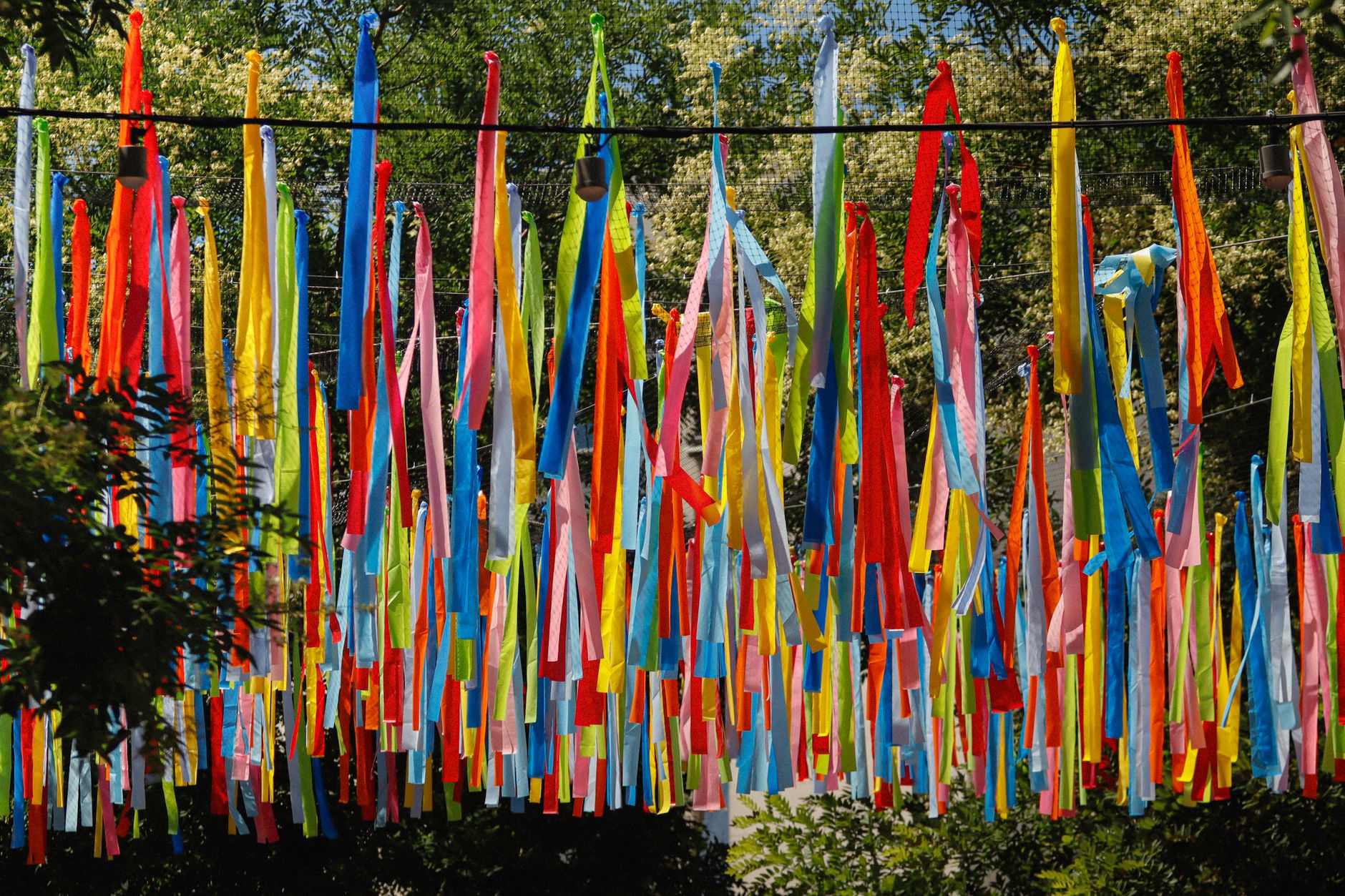
My fingers trace the outline of a tanzaku, that slender strip of paper waiting to hold a wish. In the soft lamplight, it seems impossibly small for the weight of dreams it must carry. Yet here, in this moment of festival preparation, I understand that sometimes, in fact, the smallest vessels hold the largest truths. A place I would love to live in this world—the thought forms like ink spreading through water, inevitable and clear.
The bamboo branches wait, their segmented stalks like nature’s own writing implements, ready to receive our hopes. Each node, in fact, a potential chapter, each joint a place where stories might bend and change direction. I think about how places themselves become like bamboo—flexible yet strong, rooted yet reaching toward light.
II. The Coastal City of Eternal Mists
Perhaps it would be somewhere along the coast where continents meet ocean, where the air tastes of salt and possibility. I imagine morning mists, in fact, rolling in like slow-moving thoughts, obscuring and revealing simultaneously. A city built on layers of history, where every cobblestone holds memory and every harbor welcomes ships bearing stories from distant shores.
The tanzaku wishes for this place would be writing in ink that never fades, words that withstand salt-spray and humidity. A place I would love to live in this world—in such a city, this statement would be less about location and more about atmosphere, about breathing air that tastes of both earth and water, about understanding that belonging comes from resonance rather than geography.
I picture balconies overflowing with flowers that bloom year-round, balconies where poets and fishermen alike might hang their wishes. The bamboo here would grow wild, unchecked, reaching toward the sea spray that feeds it. Each festival, the branches would droop under the weight of accumulating dreams, only to renew with each new year’s hopes.
III. The Mountain Sanctuary of Silent Peaks
Or perhaps it would be in the mountains, where silence speaks louder than words and the sky comes closer to earth. Here, the tanzaku would be smaller, perhaps written on leaves that naturally return to the soil after their brief time of service. The bamboo would grow straight and tall, its segmented structure visible against the vastness of sky.
In this place, wishes might take the form of prayers whispered to wind that has traveled across continents. A place I would love to live in this world—here, this phrase would carry the weight of solitude and connection, of being small enough to see the whole picture while being large enough to hold the universe within oneself.
I imagine a monastery where monks and mountain climbers alike hang their wishes, where the festival becomes not just a celebration but a meditation on impermanence. The bamboo branches would arrange in mandalas, patterns that shift with the seasons but always return to center. Each year’s wishes would join those of centuries past, creating a tapestry of human longing visible from space.
IV. The Desert Oasis of Timeless Sand
There is something about deserts that calls to the part of us that seeks clarity through emptiness. Perhaps my place would be an oasis where civilization and wilderness meet, where dates ripen in the heat of day and cool springs offer respite from the sun’s intensity. Here, the tanzaku needs to be write with ink that doesn’t run in dry heat, words that don’t fade in harsh sunlight.
The bamboo would be different here—hardier, more sparse, its growth measured in seasons rather than months. A Place I Would Love To Live In This World—in the desert, this statement would carry the weight of finding life in apparent emptiness, of understanding that abundance often hides behind walls of scarcity.
I picture market squares where traders from distant lands gather, where wishes exchange like currency, where the Tanabata festival coincides with the full moon of harvest time. The bamboo branches would decorate with lanterns that cast dancing shadows on sand dunes, creating temporary constellations of human hope.
V. The Forest Clearing of Ancient Trees
Maybe it would be in a forest clearing, where sunlight filters through canopy in patterns that change with seasons. Here, the tanzaku might be writing on bark that naturally returns to earth, where wishes become part of the forest’s memory. The bamboo would grow in clusters, supporting each other as they reach toward light.
In this place, the festival would be silent, the wishes hung without ceremony but with intention. A Place I Would Love to Live In This World—here, this phrase would be whispered to trees that have stood longer than human civilizations, understood by creatures that measure time differently than we do.
I imagine a community living in harmony with forest rhythms, where the Tanabata festival celebrates not human wishes but the forest’s own dreams of growth and renewal. The bamboo branches would be woven into the trees themselves, creating living sculptures that change with each passing season.
VI. The Floating Village of Rising Tides
With each new thought, the place shifts again—perhaps somewhere built on water, where houses float on gentle waves and bridges connect islands that drift like thoughts in consciousness. Here, the tanzaku would need to be waterproof, written in ink that doesn’t run in salt water or rain.
The bamboo would grow differently here, perhaps bending with the rhythms of tides, its strength measured in flexibility rather than rigidity. A Place I Would Love To Live In This World—here, this statement would carry the weight of adaptation, of understanding that belonging might require constant movement and change.
I picture a village where the festival celebrates not just wishes but the ocean itself, where offerings are made not just to stars but to tides, where the bamboo branches hang from boats rather than trees, creating floating gardens of human hope.
VII. The Urban Garden of Concrete Jungles
Or perhaps it would be in the heart of a city transformed, where concrete jungle has given way to vertical gardens and rooftop forests. Here, the tanzaku would be written on recycled materials, words that acknowledge both human creativity and environmental responsibility. A Place I Would Love To Live In This World—here, this phrase would carry the weight of hope in the face of challenges, of believing that even in our most artificial environments, we can create spaces of authentic connection.
The bamboo would grow in community gardens, tended by neighbors who have become family, its growth measured in shared harvests rather than individual achievements.
VIII. The Island of Convergence
After all these possibilities, I realize the place I might choose is not a location but a state of being—an island where all these worlds converge. Here, the tanzaku would be written in multiple languages, wishes that transcend borders and definitions. The bamboo would grow in patterns that reflect fractals, infinite in complexity yet simple in essence.
A Place I Would Love To Live In This World—here, this statement would be both question and answer, both beginning and ending.
IX. The Festival of Unfolding
As the festival approaches, I understand that the place I might choose is not fixed but fluid, not static but dynamic. Like the bamboo that bends but never breaks, like the stars that shift but remain constellations, like the wishes that change but remain true, the place I might call home is both here and there, both now and always.
The tanzaku awaits, paper and ink ready to capture a moment of clarity, a glimpse of possibility. The bamboo branches wait, segmented and strong, ready to hold our collective hopes. And somewhere, between earth and sky, between what is and what might be, Vega and Altair prepare for their annual meeting across the bridge of magpies.

X. The Writing of Belonging
Perhaps the place I might choose is not a destination but a direction, not a location but a relationship—with earth, with water, with sky, with each other. Perhaps the festival teaches us that belonging comes not from where we are but from how we see, not from where we stand but from how we reach.
The tanzaku are ready, the bamboo awaits, and the stars begin to appear. In this moment of festival, this moment of possibility, I understand that the place I might choose is wherever we choose to make it, whenever we choose to belong.
A Place I Would Love To Live In This World—the words written, the wish released, the bamboo branch hung. And in the quiet festival night, under stars that have witnessed countless human hopes, something shifts, something settles, something becomes home.
───────────
This poem explores the concept of home and belonging through the lens of Tanabata festival traditions, weaving together imagery of wishes, bamboo, and stars while contemplating various potential places to live. The poem suggests that home might be less about specific locations and more about the quality of attention and connection we bring to wherever we find ourselves.

Leave a Reply