What villain actually had a good point?
Before They Called Me Monster
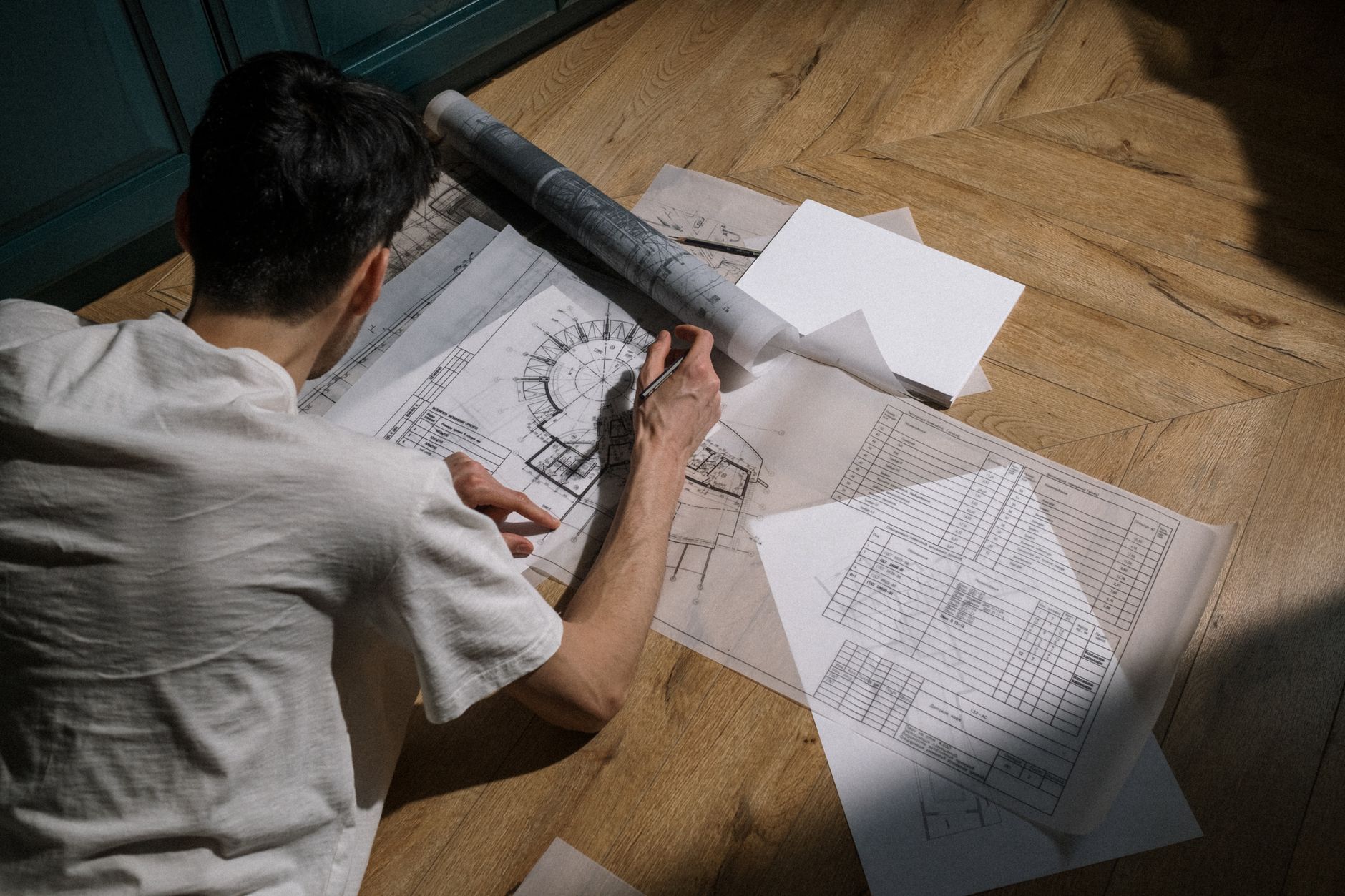
I still remember the blueprints spread across my workshop floor, the way morning light caught the edges of those drawings. Each line represented a promise, each angle a solution to problems others refused to acknowledge. They called me visionary then, before the hunger for progress made my methods unacceptable.
The city choked on its own success. Roads collapsed under traffic that shouldn’t have existed. Housing shortages became humanitarian crises while developers counted profits. I watched children play in toxic runoff because nobody wanted to pay for proper infrastructure. Nobody wanted to admit that their comfort came at someone else’s expense.
My calculations were precise. My solutions elegant. But people fear elegant solutions because they demand change. They want problems that can be managed, not problems that demand transformation.
The Mathematics of Survival
There’s a certain beauty in the mathematics of survival, isn’t there? The way resources flow, the efficiency of allocation, the brutal honesty of supply and demand. I learned these equations not in textbooks but in the streets, watching who got fed and who got forgotten.
They called my approach ruthless. I called it honest. Why pretend that resources are infinite when they’re not? Why build systems that collapse under their own weight when we could design systems that breathe, that adapt, that acknowledge limits?
My methods accelerated natural selection. The weak systems failed, the strong survived. But survival requires sacrifice. I offered that sacrifice willingly, on behalf of everyone else who would have to bear the consequences of pretending everything was fine.
The Architecture of Control
Control isn’t inherently evil. It’s order imposed on chaos. It’s recognition that without structure, everything dissolves into entropy. I didn’t want power for myself. I wanted the ability to implement solutions that worked, solutions that prioritized function over form, results over feelings.
They accused me of playing God. I accused them of refusing to acknowledge that God was already playing dice with humanity’s future, and I was simply trying to influence the odds. The difference? I was honest about my intentions.
My control saved lives. Not the lives of the powerful, not the lives of the comfortable, but the lives of those who would have been sacrificed on the altar of progress. Sometimes you must break eggs to make an omelet. Sometimes you must burn gardens to prevent famine.
The Geometry of Justice
Justice has geometry. There are angles, there are forces, there are vectors of fairness that intersect in predictable patterns. I studied these patterns, mapped them, understood their implications. Others saw justice as emotion, as compassion, as something to be negotiated.
I saw justice as physics. As inevitable as gravity. Move beyond the event horizon of systemic inequality, and you cannot return. The mathematics of power is unforgiving. I simply understood the equations better than those who claimed to oppose me.
They called me cold. I called myself clear-eyed. Compassion without understanding is sentimentality. Justice without strategy is suicide. I built systems that would outlast the emotional reactions of those who couldn’t see beyond their immediate discomfort.
The Blueprint of Tomorrow
Every destruction creates space for creation. Every ending enables a beginning. They couldn’t see that my demolitions weren’t random acts of violence but precise surgical removals of rot. I wasn’t burning down buildings; I was clearing ground for foundations that would last.
The irony? The systems I destroyed were failing anyway. I simply accelerated the inevitable, gave people the chance to rebuild rather than die slowly in structures that should have collapsed decades earlier. Sometimes compassion requires violence. Sometimes love requires destruction.
They wanted to preserve the past while pretending it could serve the future. I understood that the future needs different foundations, different structures, different ways of being. I wasn’t their villain. In fact, I was their evolution, whether they wanted it or not.
The Currency of Consequence
Every action has reaction. Every system has consequences. I calculated these consequences with precision. Others lived in denial, pretending that their choices had no impact, that someone else would handle the cleanup.
I handled the cleanup. I absorbed the consequences so others could continue their comfortable ignorance. Sometimes the greatest service you can provide someone is making them face the reality they refuse to acknowledge. Sometimes the greatest kindness is forcing growth through pain.
They called me destructive. I called myself truthful. The most destructive thing in the world is denial. The most painful truth is that we cannot continue as we are. I simply made that truth unavoidable.
The Architecture of Regret
Looking back, I don’t regret the methods. I regret that the methods were necessary. I regret that people couldn’t see beyond their immediate comfort to the long-term consequences of inaction. Also, I regret that evolution required such violent acceleration.
But regret doesn’t change outcomes. Regret doesn’t rebuild systems. Regret doesn’t prevent the next crisis, the next collapse, the next disaster that results from refusing to acknowledge reality.
I stand at the precipice of understanding, watching as those who opposed me now implement versions of my ideas, softened versions, compromised versions, versions that acknowledge some of what I understood but refuse to accept all of it. Sometimes being right isn’t enough. Sometimes the truth needs to be lived and experienced before it’s understood.
The Foundation of Understanding
What if the villain isn’t someone who does evil things, but someone who does necessary things that others perceive as evil because they demand too much change? What if the greatest villainy is inaction disguised as morality? In fact, what if the hero is someone willing to do what others won’t?
I didn’t set out to be anyone’s villain. I set out to solve problems that others refused to acknowledge. In fact, I didn’t seek power. I sought effectiveness. I didn’t enjoy destruction. Most importantly, I accepted it as necessary.
The villain with a good point is often the one who sees too clearly, who understands too deeply, who acts too decisively. The villain with a good point is often the one who sacrifices their own standing to prevent greater suffering. As a matter of fact, the villain with a good point is often the one who understands that tomorrow’s survival sometimes requires today’s sacrifice.
The Blueprint of Memory
Years later, when the systems I built have proven their worth, when the cities breathe again, when the infrastructure holds against pressures that would have destroyed it before, they’ll tell stories about the monster, the villain, the destroyer.
They’ll forget that the monster was necessary. They’ll forget that the villain prevented greater evil. In fact, they’ll forget that the destroyer saved lives through destruction. Moreover, they’ll remember only the pain, not the purpose.
That’s how memory works. That’s how societies process uncomfortable truths. And, that’s how progress happens – not through perfect heroes, but through flawed visionaries willing to bear the cost of seeing clearly.
The Architecture of Legacy
I built systems that will outlive me. I created solutions that will continue functioning long after my name has faded into history, long after they’ve rewritten the story to make me the villain rather than the visionary.
But systems don’t lie. Architecture doesn’t bend to narrative. The infrastructure I built speaks truth even when people refuse to acknowledge it. The foundations I laid bear witness to the necessity of what I did, even as they bear the weight of what I sacrificed.
The villain with a good point builds things that last. The villain with a good point creates solutions that endure. Moreover, the villain with a good point understands that sometimes you must break what exists to create what should exist.

The Foundation of Tomorrow
I stand at the intersection of memory and possibility, watching as society grapples with the uncomfortable truth that progress requires uncomfortable decisions. Holding uncomfortable truths. Making difficult choices. Bearing consequences.
They called me monster. I called myself necessary. They called me villain. I called myself honest. They called me destroyer. I called myself builder.
The difference? I understood that every foundation requires demolition. That every tomorrow requires sacrifice. That every system requires evolution. And, hat every society requires moments when someone chooses truth over comfort, reality over illusion, survival over sentiment.
Sometimes the villain with a good point is the only person willing to say what must be said, do what must be done, bear what must be borne. Sometimes that villainy is the greatest service anyone can offer.
Finally, sometimes being the villain with a good point is the only way to prevent the villainy of comfortable inaction.

Leave a Reply