What’s one habit that has improved your life the most?
A Habit That Has Improved My Life The Most
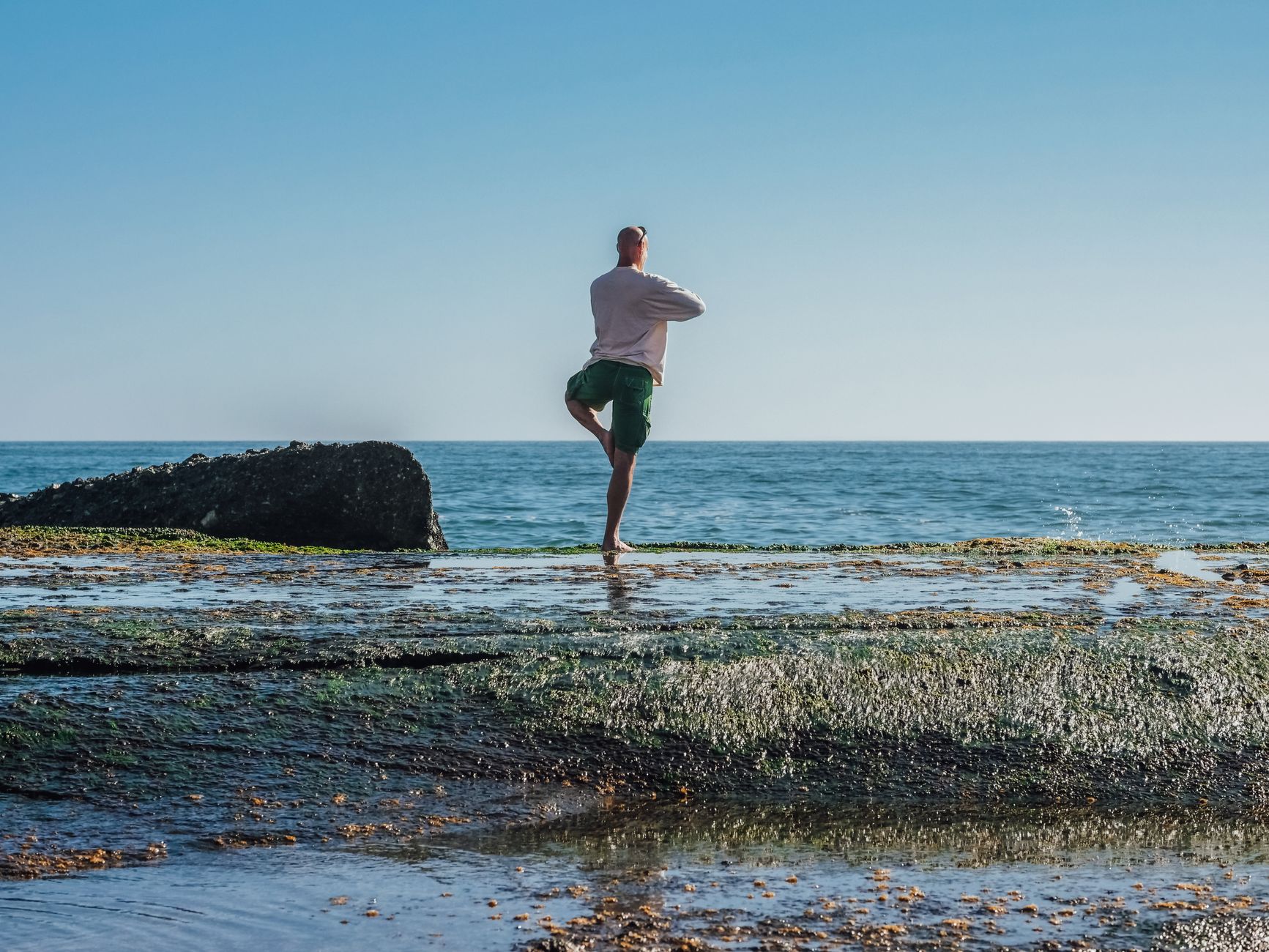
The habit that has transformed my life most profoundly is daily morning meditation. Every day since 2022, I’ve woken before sunrise, sat cross-legged on my balcony overlooking the developing skyline of my city, and practiced just 20 minutes of mindful breathing. What began as an experiment in managing stress has evolved into something deeper—a way of meeting each day with intention rather than reaction. The practice has rewired my nervous system, softened my responses to chaos, and revealed how much of my suffering was self-created through constant mental chatter and future-planning. In a world that measures success in productivity and achievement, this quiet surrender to presence has been my most radical act of self-preservation and growth.
───────────
The Altar of Dawn: First Light
The digital alarm doesn’t exist in my world anymore. Instead, there’s this gradual awakening—birds first, then the distant hum of the first auto-rickshaw, then my own chest rising and falling in the predawn stillness. I’ve learned to trust this biological intelligence that knows exactly when to rise, when to stretch, when to fold my body into the familiar lotus position on the wooden planks of my balcony. The neighbors haven’t figured out my schedule yet—they’re still asleep, dreaming in Hindi, Tamil, Bengali, whatever their mother tongues may be. Up here, alone with the concrete jungle stretching toward a horizon we’re constantly reshaping, I begin the ritual that has become my anchor in these turbulent times.
My phone sits face down inside, silenced completely. No notifications, no emails, no WhatsApp messages from family members across three time zones. Just me and the steel thermos of warm water that tastes different when consumed in silence. The morning air carries the scent of jasmine from the pot plant someone gifted me last Diwali, mixed with the inevitable exhaust fumes from below. I close my eyes and count seven breaths—one, two, three, four, five, six, seven—then begin the mantra that has carried me through countless transformations: “I am here, I am now, this moment is enough.”
The Unfolding
Three years ago, meditation was something I tried between yoga classes, a commodity I consumed like wellness smoothies and cold-pressed juices. I’d sit on expensive cushions imported from Thailand, using apps that charged monthly subscriptions, following voices that sounded too serene, too Americanized. Something was missing—the authenticity of this practice, which after all originated in these very lands, in these very traditions, had been sanitized for Western consumption. The breakthrough came when I met Rohan, my neighbor from Jaipur, who taught me that meditation isn’t about emptying the mind but filling it with the right things—gratitude for the chai vendor who remembers your order, appreciation for the monsoon rains that wash away dust and despair, recognition that every breath is borrowed time.
Now, my practice includes the sounds of the awakening city—the milkman’s bicycle bell, the newspaper vendor’s calls, the first school bus rumbling past. These aren’t distractions; they’re part of the meditation itself. I’ve learned that presence isn’t found in isolation but in integration with the messy, beautiful chaos of lived experience. The habit that has improved my life the most isn’t something I do apart from life but something that transforms how I live within it. When I return to my apartment hours later, carrying the scent of morning dew and possibility, I find that the calm I’ve cultivated isn’t fragile—it’s resilient, capable of withstanding the inevitable interruptions of modern existence.
The Ripple Effect
The changes didn’t happen overnight, and they certainly weren’t dramatic enough for Instagram stories or LinkedIn posts. Instead, they were subtle shifts in perception that accumulated like sandcastles at high tide—eroding old patterns while building new ones. I stopped reacting to emails with immediate anxiety. I began responding with thoughtful consideration, sometimes hours later when the initial urgency had faded into its proper context. My relationships transformed—not through grand gestures but through deeper listening, through the space I now create before speaking, before responding, before judging. My colleagues at the tech company where I work began noticing something different about me, though they couldn’t quite name it.
“You seem… calmer,” my manager said during our quarterly review, adjusting his glasses as he evaluated my performance metrics. “The project deadlines haven’t changed, but something about your approach has shifted.” I wanted to explain that it wasn’t about meeting deadlines more efficiently but about meeting life more fully—that the habit that has improved my life the most wasn’t a productivity hack but a spiritual practice rooted in ancient wisdom we’re only now rediscovering through neuroscience and psychology. I settled for saying something vague about “better work-life balance,” knowing that some truths are too complex for corporate language.
The Real Transformation
The real transformation happened in my relationship with myself. The critical inner voice that had been my constant companion since childhood—the one that enumerated my failures and shortcomings—grew quieter, not louder. I learned to treat myself with the same compassion I’d offer a friend struggling with their own demons. When anxiety spiraled during the pandemic, when the world seemed to be ending daily through news updates, when personal losses accumulated like unpaid bills, I had this practice to return to—this anchor in the storm, this refuge in the wilderness of human experience.
The Integration
What’s fascinating about habit formation is how it creates these unexpected ripples beyond the original practice. My morning meditation didn’t just transform my mornings—it altered my entire relationship with time. I used to live in a state of perpetual future-planning, constantly jumping ahead to tomorrow’s to-do lists, next week’s deadlines, next year’s goals. Now, I inhabit the present moment more fully, recognizing that life actually happens in these brief, unremarkable seconds that we typically rush through. The habit that has improved my life the most wasn’t just about sitting still for twenty minutes—it was about learning to be still in the midst of motion, to find spaciousness within the constraints of a demanding modern life.
My apartment has changed too. The walls that once displayed achievements and acquisitions now hold things that support this practice—a small brass bell that reminds me to pause, photographs of ancestors who understood meditation not as escape but as engagement, a simple wooden desk where I journal instead of scrolling through social media. The ritual of preparing my meditation space—folding the blanket just so, lighting the incense, arranging the cushions—has become a meditation in itself, a physical preparation for the mental and spiritual work to come. When friends visit and ask about the changes, I explain that I haven’t acquired new things but rather removed the unnecessary ones, making space for what truly matters.
The Scientific Validation
The scientific validation of this practice has been interesting to witness. Studies from Indian institutions like NIMHANS and international research centers have documented the neurological changes that come from consistent meditation practice—reduced cortisol levels, increased gray matter density in regions associated with emotional regulation, improved connectivity between different parts of the brain. Yet the ancient yogis who first mapped these territories didn’t need machines to understand what was happening; they had direct experience of the transformation, written about in texts that predate modern science by millennia. I find myself grateful to live in a time when these ancient wisdom traditions are being rediscovered, validated, and shared across cultures.
The Embodiment
Three years into this practice, I can see how it has fundamentally altered my nervous system’s response to stress. The fight-or-flight reactions that once governed my responses to deadlines, difficult conversations, and unexpected challenges now have a pause button—a space between stimulus and response where choice becomes possible again. This isn’t about becoming emotionless or detached; it’s about experiencing emotions more fully without being swept away by them. When grief visits—and it does, especially during festival seasons when memories of loved ones who’ve passed become more vivid—I can sit with it, breathe through it, allow it to move through rather than building dams that eventually burst with destructive force.
The external world hasn’t changed much—the traffic still exists, the corruption continues, the systemic challenges remain overwhelming. But my relationship to these realities has transformed. I no longer feel the need to solve everything immediately, to carry the weight of the world’s suffering on my shoulders. The habit that has improved my life the most has taught me that liberation comes not from changing everything but from changing how I relate to what cannot be changed. This isn’t resignation but wisdom, not defeat but strategic energy conservation for the battles worth fighting.
Deepened Interactions
My interactions with my family have deepened too. The generational gap that once seemed insurmountable—between my traditional parents and my modern sensibilities—has narrowed through this practice of presence and compassion. When my mother calls with concerns about my health or my marital status, I can listen without defending, without immediately planning my response. When my father shares stories from his youth, I can receive them without judgment, recognizing that his experiences, though different from mine, are equally valid. The practice has taught me that love isn’t about agreement but about acknowledgment, not about fixing but about being present with.

The Transmission
What I find most beautiful about this transformation is how it naturally flows outward, like ripples in a pond after the stone has been thrown. I don’t preach meditation or recommend apps or create courses about it. Instead, people notice the difference in my presence, in my responses, in my capacity to hold space for their struggles without trying to solve them immediately. A junior colleague struggling with anxiety approaches me after a particularly intense team meeting, asking how I maintain such composure. I share what I can—not as expert but as fellow traveler—and we begin a conversation that continues over chai at the office canteen, where I notice myself listening more than speaking.
The most unexpected transmission has been through my writing. The habit that has improved my life the most has transformed not just how I think but how I express myself. My journaling practice has evolved from mere recording of events to deep reflection on meaning and purpose. When I write now, words flow more freely, thoughts connect more naturally, and insights emerge from the spaces between sentences rather than from conscious effort. This has influenced my creative work too—I used to approach writing as a performance, trying to impress readers and critics with cleverness and complexity. Now, my writing has become simpler, more authentic, more honest in its vulnerability.
Evening Sky Giving Way to Night
As I sit here writing this, on my balcony under the evening sky that’s gradually giving way to night, I realize how this practice has become not just a habit but an identity. I am the person who meditates each morning, who pauses before responding, who chooses presence over productivity, who recognizes that the most valuable thing we have is not our time but how we inhabit it. The habit that has improved my life the most hasn’t made me perfect or immune to suffering, but it has made me more human—more capable of joy, more resilient in the face of difficulty, more connected to myself, to others, and to something larger than myself. In a world that values constant achievement and measurable success, this quiet practice of being rather than doing has been my most revolutionary act of all.

Leave a Reply