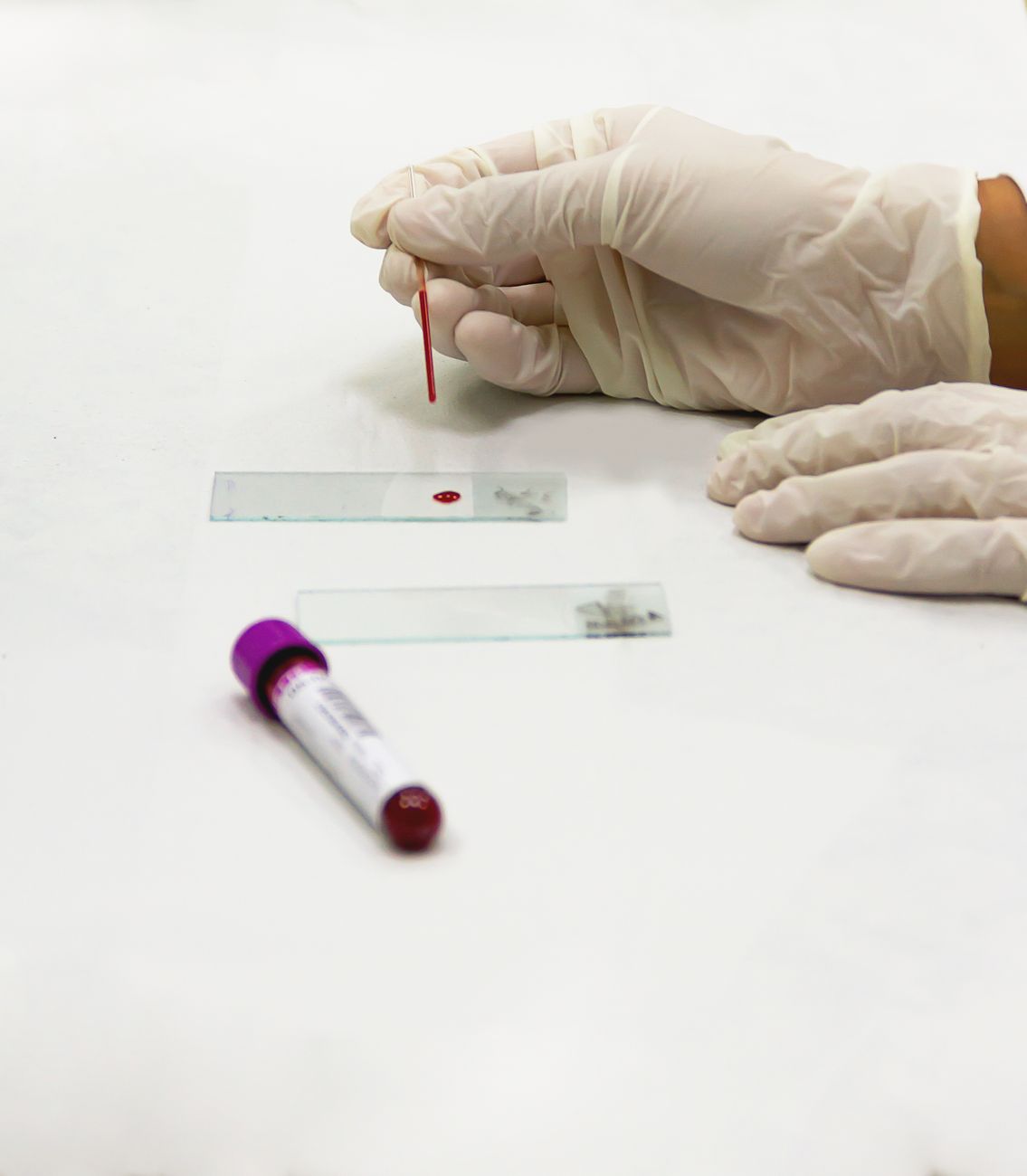
The next revolution in healthcare may not arrive through a breakthrough drug or an expensive imaging machine. Instead, it may begin with something as routine as a blood sample. Recent research suggests that an Alzheimer’s blood test could dramatically improve how doctors detect one of the world’s most challenging neurological diseases, bringing specialist-level diagnostic confidence closer to everyday clinical practice.
For decades, confirming Alzheimer’s disease has depended on costly brain imaging, spinal fluid analysis, and referrals to memory clinics. These methods have delivered reliable results but remain expensive, time-consuming, and inaccessible for many patients, especially in regions with limited specialist care. As populations age and dementia cases continue to rise worldwide, healthcare systems are under increasing pressure to find faster and more scalable diagnostic solutions.
Why an Alzheimer’s Blood Test Matters
The promise of an Alzheimer’s blood test extends far beyond convenience. Blood-based biomarker tests measure proteins such as amyloid beta and phosphorylated tau, both closely associated with Alzheimer’s disease. Instead of relying solely on advanced imaging or invasive spinal fluid analysis, physicians may soon have access to a simpler tool that helps determine whether a patient’s cognitive symptoms are linked to Alzheimer’s.
New research presented at an international dementia conference found that when physicians reviewed blood biomarker results, diagnostic accuracy improved significantly. Most notably, primary care physicians achieved diagnostic accuracy comparable to specialists after incorporating the test results into their clinical assessment.
This is important because primary care is where most patients first seek help for memory problems. Improving diagnosis at this level could shorten the journey from symptoms to treatment and reduce unnecessary delays.
The Rise of Diagnostic Democratization
The most significant breakthrough is not merely the test itself but what it represents.
Healthcare is entering an era of Diagnostic Democratization—the movement of advanced diagnostic capabilities from specialist centres into everyday clinical practice. Historically, sophisticated neurological diagnosis has been confined to memory clinics and tertiary hospitals equipped with expensive technologies and specialist expertise.
Blood biomarker testing has the potential to change that equation.
When accurate diagnostic tools become available to family physicians and general practitioners, access to quality healthcare expands dramatically. Specialists can then focus on complex cases while primary care physicians confidently manage initial evaluations and referrals.
The result is a more efficient healthcare system that benefits both patients and clinicians.
Earlier Diagnosis Changes More Than Treatment
Receiving an Alzheimer’s diagnosis is about much more than prescribing medication.
For patients and families, early diagnosis provides clarity during a period often filled with uncertainty. It allows individuals to plan for future care, make financial and legal decisions, participate in clinical trials, and adopt lifestyle interventions that may help preserve quality of life.
Healthcare providers also benefit from earlier identification. Patients can be directed toward the most appropriate specialists, unnecessary investigations may be avoided, and healthcare resources can be allocated more effectively.
As disease-modifying therapies continue to emerge, identifying patients earlier could become increasingly important because many treatments are most effective during the initial stages of the disease.
Primary Care Could Become the Front Line
Traditionally, diagnosing Alzheimer’s has required referrals to neurologists or memory specialists. That process frequently involves months of waiting before patients receive definitive answers.
Blood biomarker testing could fundamentally change this workflow.
Instead of functioning merely as referral centres, primary care clinics may become the first effective checkpoint in identifying Alzheimer’s disease. Physicians could use blood tests to determine whether symptoms warrant specialist evaluation or whether other causes of cognitive decline should be investigated first.
This shift could significantly reduce pressure on specialist clinics while improving patient access to timely care.
Accuracy Must Be Matched With Clinical Judgment
Despite its promise, an Alzheimer’s blood test is not a standalone diagnostic solution.
Blood biomarkers identify biological changes associated with Alzheimer’s disease, but they do not explain every cause of memory loss or cognitive impairment. A negative result does not rule out other neurological conditions, and a positive result should always be interpreted alongside clinical history, cognitive assessments, and, when appropriate, additional diagnostic investigations.
The technology is best viewed as a decision-support tool rather than a replacement for clinical expertise.
Healthcare systems will also need clear guidelines to determine when blood testing is appropriate, which patients should be referred for further evaluation, and how laboratories maintain consistent testing standards.
A Broader Shift Towards Precision Medicine
The growing interest in blood biomarkers reflects a larger transformation occurring across medicine.
Healthcare is steadily moving from reactive treatment to proactive detection. Diseases are increasingly being identified through measurable biological signals long before severe symptoms develop. Similar approaches have already transformed cardiovascular disease, diabetes, and several forms of cancer.
Neurology now appears to be following the same path.
As biomarker science continues to evolve, diagnosis is likely to become faster, more personalised, and increasingly data-driven. Combined with artificial intelligence, digital health platforms, and predictive analytics, future diagnostic systems may identify neurological diseases earlier than ever before.
The Economic Impact Could Be Significant
Beyond clinical benefits, accessible diagnostic tools could reshape healthcare economics.
Brain imaging technologies and specialist consultations are expensive and often concentrated in urban medical centres. Blood tests, if validated for widespread clinical use, could reduce dependence on costly investigations while allowing healthcare systems to prioritise advanced resources for patients who need them most.
Earlier diagnosis may also lower long-term healthcare costs by enabling timely interventions, delaying disease progression, and improving care planning.
For countries facing rapidly ageing populations, scalable diagnostic technologies could become essential components of sustainable healthcare delivery.
Looking Beyond the Headlines
The headlines naturally focus on the impressive diagnostic accuracy reported in recent studies. However, the deeper story is not simply about a better test.
It is about changing the structure of healthcare itself.
When sophisticated diagnostics move closer to patients, healthcare becomes more accessible, more equitable, and more efficient. Innovation is no longer confined to specialist hospitals—it reaches community clinics where most healthcare journeys begin.
That shift has implications far beyond Alzheimer’s disease. It offers a blueprint for how future diagnostic technologies could transform care across many medical disciplines.

The Road Ahead
Several challenges remain before blood biomarker testing becomes routine. Clinical guidelines, regulatory approvals, physician training, reimbursement models, and laboratory quality standards will all influence how quickly these tests become part of everyday practice.
Nevertheless, the direction is becoming increasingly clear.
The Alzheimer’s blood test represents more than another medical innovation. It signals a future in which early diagnosis is faster, less invasive, and available to far more people than ever before.
If that future becomes reality, the greatest breakthrough may not be the technology itself, but the fact that millions of patients could receive timely answers without waiting for specialist appointments.
As healthcare continues its shift toward precision medicine and earlier intervention, blood-based diagnostics may prove to be one of the defining innovations of the next decade—not because they replace specialists, but because they bring specialist-level insights closer to every patient.
Reflection: If advanced diagnostics become widely available in primary care, how should healthcare systems balance faster access to diagnosis with the need for careful clinical interpretation and responsible patient counselling?

Leave a Reply