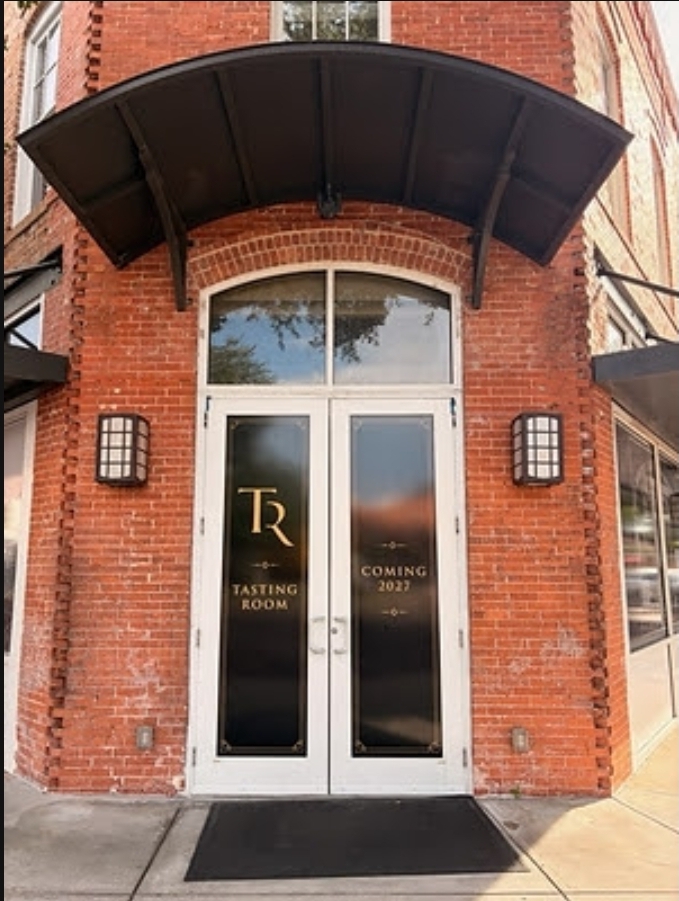
Historic restaurant expansion is the strategic growth of a dining business into larger or more capable premises while strengthening customer experience, operational efficiency, and brand identity. Increasingly, heritage buildings are chosen because they combine functional improvements with cultural significance, creating memorable destination dining experiences.
The decision to expand a restaurant often appears straightforward: a growing customer base demands more seating, a larger kitchen, or additional event space. Yet a closer look at some of the most successful hospitality businesses reveals a different story. Increasingly, restaurant owners are choosing to grow within historic buildings rather than newly constructed commercial spaces. This trend reflects a strategic shift where heritage becomes a business asset rather than merely an architectural feature.
While a larger location can improve operational efficiency, a historic property adds something that modern buildings rarely can—authenticity. In an era where diners seek memorable experiences as much as exceptional food, a restaurant’s setting has become a critical part of its competitive advantage. This is why historic restaurant expansion is emerging as a significant trend in the hospitality industry.
More Than Extra Space
Restaurant expansion has traditionally been measured by numbers: more tables, higher seating capacity, and increased revenue potential. Those factors remain important, but customer expectations have evolved.
Today’s diners value the complete experience. They want a place that tells a story, reflects local culture, and creates memories worth sharing. A restaurant housed in a restored historic building naturally offers a richer narrative than one located in a standard commercial complex.
Historic architecture becomes part of the dining experience, making every visit feel distinctive rather than routine.
The Rise of Heritage Capacity Advantage
One way to understand this trend is through what can be called Heritage Capacity Advantage.
This concept describes a situation where a historic building delivers both operational improvements and emotional value. Larger kitchens improve efficiency, additional dining rooms accommodate more guests, and dedicated event spaces generate new revenue. At the same time, the building’s history, architecture, and cultural significance strengthen the restaurant’s identity.
Unlike marketing campaigns or interior redesigns, heritage cannot easily be replicated by competitors. It creates a unique brand position that grows stronger over time.
Experience Has Become the Product
Modern hospitality is no longer driven solely by menus or pricing. Experiences increasingly determine where people choose to dine.
Customers celebrate birthdays, anniversaries, proposals, business meetings, and family milestones in restaurants. They photograph interiors, share experiences on social media, and recommend memorable places to friends.
When a restaurant operates within a landmark building, the setting itself contributes to these experiences. The atmosphere becomes an extension of the brand, encouraging repeat visits and stronger emotional connections.
Historic Buildings Support Business Growth
Choosing a heritage property is not simply an emotional decision; it also makes commercial sense.
Many older restaurants eventually face operational limitations. Kitchens become overcrowded, storage is inadequate, and private event facilities are limited or absent. Expansion into a thoughtfully restored historic property can solve these issues while preserving the brand’s established identity.
Additional event spaces diversify revenue streams through weddings, corporate gatherings, and private celebrations. Larger kitchens improve workflow and service consistency. Covered outdoor seating increases flexibility throughout the year.
These operational improvements directly enhance profitability without sacrificing character.
Revitalising Downtown Communities
Historic restaurant expansion also benefits the wider community.
Independent restaurants often become anchors for revitalised downtown districts. Their success attracts visitors, encourages neighbouring businesses, and supports tourism.
When hospitality companies invest in preserving older buildings instead of replacing them, they help maintain the architectural identity of a city while stimulating local economic activity. The relationship becomes mutually beneficial: the building strengthens the restaurant’s appeal, and the restaurant helps preserve the relevance of the historic district.
Authenticity Cannot Be Manufactured
Many brands attempt to recreate heritage through themed interiors or vintage-inspired décor. While these efforts may be visually attractive, genuine history carries far greater credibility.
Original brickwork, restored facades, traditional craftsmanship, and decades of local stories create authenticity that cannot be manufactured overnight.
This authenticity has become increasingly valuable as consumers seek experiences that feel real rather than staged.
Balancing Growth with Continuity
Expansion also brings risks.
Long-time customers often worry that growth will change the atmosphere they have come to appreciate. Successful hospitality businesses recognise this challenge and focus on preserving service quality, culinary standards, and familiar faces while improving facilities behind the scenes.
Growth succeeds when customers feel that everything they loved remains intact, while the experience around it becomes even better.

A Blueprint for Premium Hospitality
The broader implication is clear. Restaurants are no longer competing solely on food quality or location. They are competing on identity.
Historic buildings provide an opportunity to combine operational excellence with storytelling, architecture, community heritage, and emotional connection. This combination creates a lasting competitive advantage that extends well beyond increased seating capacity.
As cities continue to revitalise older districts and consumers increasingly value authentic experiences, historic restaurant expansion is likely to become an important strategy for premium hospitality brands around the world.
Restaurants that understand this shift are investing not merely in larger premises, but in places with enduring character. In doing so, they are demonstrating that the future of hospitality may lie not in building something entirely new, but in giving historic spaces a vibrant new purpose.
Final Thoughts
The hospitality industry is entering an era where success depends as much on experience as on execution. Historic buildings offer restaurants the opportunity to blend operational efficiency with cultural identity, creating destinations rather than simply dining venues.
In the years ahead, the restaurants that thrive may not be those with the largest dining rooms, but those that create the strongest sense of place. After all, people may visit for the food—but they return for the memories.
Reflection:
Would you choose a restaurant simply because of its menu, or does the history and character of the building make the experience more memorable?

Leave a Reply