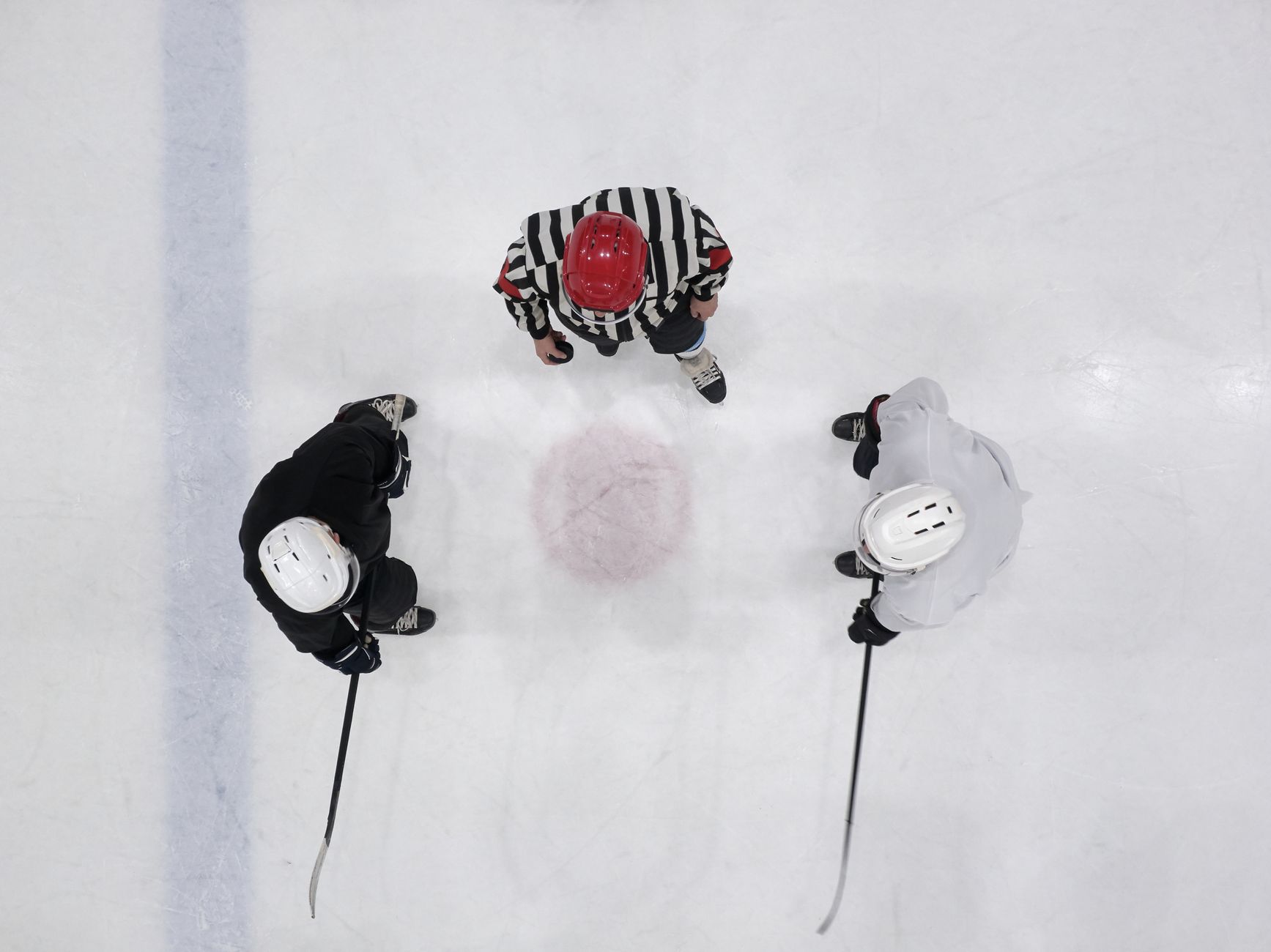
I. Before Anyone Chose a Side
Cities never confess.
They simply remember.
Concrete keeps fingerprints long after rain has washed away the names of those who touched it.
Every streetlight carries an unfinished testimony, every café shelters conversations that continue even after the chairs have forgotten who sat there.
This city was one of those.
It wore ambition like an expensive jacket— creased, comfortable, dangerously convincing.
Three people arrived believing they were chasing different futures.
Arin wanted recognition.
Meera wanted truth.
Kabir wanted peace, though he never admitted peace often arrives wearing the disguise of surrender.
None of them expected their names to become a sentence.
None imagined how one afternoon, without sirens, without thunder, without prophecy,
Rivalry Begins.
II. Three Shadows, One Horizon
Arin measured mornings by achievements.
His apartment walls held certificates, photographs, conference badges, thank-you letters, and framed newspaper clippings.
Yet every night he counted what remained absent.
Success, he discovered, is a room whose walls keep expanding.
You never touch them.
Meera measured life through questions.
She carried a recorder, a notebook, and enough skepticism to make silence nervous.
She believed truth was never hidden.
People simply learned to decorate lies until honesty looked poor.
Kabir, architect of impossible calm, designed public spaces.
Gardens.
Libraries.
Parks where strangers might accidentally remember kindness.
He understood buildings were conversations.
Some whispered.
Some shouted.
And,
Some trapped echoes until children inherited them.
He met Arin first.
Then Meera.
Separately.
Never realizing parallel lines sometimes bend inside memory.
III. Coffee, Glass, and Invisible Fire
There was a café where freelancers, journalists, dreamers, and exhausted executives borrowed electricity for both laptops and hope.
Arin preferred the corner table.
Visibility mattered.
Recognition required witnesses.
Meera preferred the window.
Stories entered through reflections before they reached the door.
Kabir preferred outside.
Plants deserved company, he said.
The waiter laughed every single time, thinking it was a joke.
It wasn’t.
On a Wednesday that looked ordinary enough to become history,
they shared the last available table.
Not willingly.
Necessity has introduced more revolutions than friendship ever has.
Conversation arrived carefully.
Books.
Architecture.
Media.
Urban loneliness.
Artificial intelligence.
Memory.
The city itself.
Every sentence revealed another intersection.
Every laugh constructed temporary trust.
None noticed the invisible spectator taking notes.
Pride.
IV. The Proposal Nobody Owned
Months later,
a civic innovation challenge announced funding for one transformative idea.
Enough money to reshape neighborhoods.
Enough publicity to reshape careers.
Arin envisioned a digital ecosystem connecting citizens, services, and governance.
Meera argued technology without transparency was simply a faster corruption.
Kabir imagined public places where technology disappeared because humanity finally worked.
Three ideas.
One future.
One grant.
And,
One winner.
Committees adore competition.
It simplifies complexity into applause.
Meetings stretched.
Emails multiplied.
Presentations sparkled.
Statistics danced.
Promises learned choreography.
Then someone suggested,
“What if you collaborate?”
The room brightened.
Optimism is easiest before contracts.
They agreed.
Smiling.
Handshakes.
Shared folders.
Late-night brainstorming.
Coffee stains on ambitious sketches.
Trust looked almost believable.
Outside,
clouds gathered without making announcements.
V. The First Hairline Crack
It started small enough to dismiss.
An edited presentation.
One deleted paragraph.
A missing attribution.
An overlooked email.
Nobody confessed whose decision it really was.
Arin assumed efficiency.
Meera suspected strategy.
Kabir requested clarification.
Clarification, like smoke, rarely improves air quality.
Meetings became slightly colder.
Compliments required effort.
Laughter arrived late and left early.
The project continued.
So did politeness.
Both developed careful fractures.
Then, during a rehearsal for the final pitch,
a slide appeared.
Arin’s name stood first.
Kabir’s second.
Meera’s beneath both.
A typography choice, someone joked.
Nothing more.
But hierarchy has always worn the costume of formatting.
Meera looked longer than necessary.
Kabir noticed.
Arin didn’t.
Or perhaps he noticed and chose ambition instead.
Sometimes history depends upon that difference.
VI. Echoes That Refuse to Die
People believe explosions create conflict.
No.
Echoes do.
A misunderstood sentence repeated privately.
A compliment remembered as an insult.
An apology never delivered.
A silence interpreted with remarkable imagination.
Resentment doesn’t sprint.
It cultivates roots.
Invisible.
Patient.
Precise.
Each of them began keeping different journals.
Arin recorded progress.
Meera documented inconsistencies.
Kabir sketched bridges that existed only on paper.
Three archives.
Three truths.
And,
Three futures moving toward the same collision.
Neither sunrise nor sunset intervened.
The city continued selling newspapers, serving coffee, building apartments, breaking promises.
Life specializes in continuing while destinies quietly rearrange themselves.
No headline warned anyone.
No fortune teller sent a message.
Only one certainty stood silently between them.
Rivalry Begins.
Not with shouting.
Not with betrayal large enough to recognize.
But with the smallest decision—
to stop believing the other person would explain themselves.
And once explanation dies,
imagination becomes the loudest witness.
VII. The Distance Between Versions
Nobody declared war.
They simply began telling different versions of the same afternoon.
Arin remembered a partnership that lacked discipline.
He spoke of deadlines rescued, of crises absorbed, of carrying more than his share while smiling for photographs.
Meera remembered erased footnotes, muted microphones, and meetings where interruption was mistaken for leadership.
She archived emails like pressed flowers— fragile, dated, capable of proving a season once existed.
Kabir remembered neither victory nor blame.
He remembered faces.
How Arin’s confidence had become a polished shield.
How Meera’s patience had sharpened into a blade that never glittered, only cut.
His memory was crowded with unfinished bridges.
There is always a dangerous hour when memories stop seeking truth and begin seeking allies.
That hour arrived without knocking.
Rivalry Begins again, not because the first spark had gone out, but because old embers have a habit of finding new oxygen.
VIII. Screens Remember Everything
The city had changed.
Friendships were now measured in notifications.
Arguments were preserved inside screenshots.
Algorithms learned resentment faster than affection.
Someone leaked an early proposal.
No signature.
No explanation.
Only enough pages to suggest someone had stolen someone else’s future.
The internet, that magnificent courtroom without judges, held its trial before breakfast.
Comments multiplied.
Truth dissolved.
Anonymous certainty spread quicker than facts.
Arin watched his reputation bend.
Meera watched her integrity questioned.
Kabir watched both of them mistake the crowd for justice.
The city refreshed its screens.
Every swipe added another rumor.
Every rumor borrowed the face of confidence.
IX. The Elevator Without Mirrors
There are buildings that refuse to show you your reflection.
Their elevators contain plain steel walls.
No mirrors.
Only silence.
Arin entered one late at night.
Floor twelve.
Board meeting.
Emergency strategy.
He practiced a speech inside his head, carefully removing every word that sounded like regret.
The elevator stopped.
Floor seven.
Meera entered.
Neither smiled.
There are greetings too expensive to afford.
The numbers climbed.
Eight.
Nine.
Ten.
The machinery hummed.
Finally,
Meera whispered,
“Do you ever wonder which lie you started believing first?”
Arin answered without looking at her.
“I wonder why you call every disagreement a betrayal.”
The elevator continued upward.
So did their pulse.
Kabir waited on floor twelve, holding revised plans, hoping architecture could still persuade people to remain human.
He would soon discover blueprints cannot reinforce fractured trust.
X. Kabir’s Unfinished Bridge
Every city contains one bridge that citizens cross without noticing.
Kabir loved those bridges.
They existed for connection, not applause.
His newest design was almost complete.
A pedestrian crossing woven with gardens, solar lights, and quiet spaces where strangers might pause instead of pushing.
He invited Arin.
He invited Meera.
Separately.
Each accepted.
Each assumed the other had declined.
When both arrived, the evening tightened like a rope pulled from opposite ends.
The bridge stood unfinished.
Steel ribs caught the orange light of sunset.
Kabir smiled.
“For once,” he said, “let’s build something that doesn’t need a winner.”
Silence replied.
Arin admired the engineering.
Meera admired the symbolism.
Neither admired the other.
The wind crossed first.
Then memory.
Then accusation.
“You removed my contribution.”
“You rewrote my intentions.”
And,
“You never listened.”
“You never asked.”
And,
“You always assumed.”
“You always judged.”
Their words became footsteps echoing across beams that had not yet learned to carry weight.
Kabir stood between them,
not as referee,
not as hero,
only as someone finally understanding
that sometimes the deepest crack is invisible until everyone tries to stand upon it.
XI. Rain Collects Old Voices
That night,
rain arrived.
Not dramatic.
Not cinematic.
Only steady enough to wash dust from forgotten windows.
Arin drove home through streets blurred by water.
Traffic lights looked like uncertain stars.
He remembered the café.
The shared table.
The laughter before competition had invented its vocabulary.
For the first time,
he questioned whether ambition had quietly demanded a sacrifice he never noticed making.
Across the city,
Meera replayed recordings.
Hours of conversations.
Fragments of promises.
The human voice changes when trust begins evaporating.
She heard it now—
hesitations,
careful omissions,
breaths where certainty used to live.
Kabir walked the bridge alone.
Rain gathered inside unfinished joints.
He touched cold steel as though apologizing to a friend.
Structures, he knew, do not collapse because of storms.
They collapse because weaknesses were ignored long before the weather changed.
He wondered if people were any different.
XII. Midnight Inventories
At midnight,
the city pretended to sleep.
Hospitals did not.
Taxi drivers did not.
Security guards did not.
Neither did Arin, Meera, or Kabir.
Each made an inventory.
Arin counted achievements.
None felt heavy enough to outweigh one missing friendship.
Meera counted evidence.
None felt complete enough to restore a broken truth.
Kabir counted possibilities.
They diminished with every hour silence remained uninterrupted.
Somewhere, far beyond their apartments,
a train crossed the outskirts of the city.
Its whistle lingered like an unanswered question.
No one heard the same sound.
No one interpreted the same meaning.
Yet all three looked toward their windows at precisely the same moment.
As if destiny had developed a rhythm.
As if resentment could hear its own heartbeat.
And, s if the night itself had leaned close to whisper—
Rivalry Begins whenever pride becomes louder than memory,
and every tomorrow inherits a quarrel that yesterday forgot to bury.
XIII. The Witness No One Remembered
Morning arrived without forgiveness.
The city unfolded its newspapers,
its notifications,
its endless appetite for certainty.
Then an unexpected envelope appeared on Kabir’s desk.
No sender.
No return address.
Only a handwritten line:
You have been blaming the wrong person.
Inside was a forgotten notebook.
Not Meera’s.
Not Arin’s.
It belonged to Raghav—
the project coordinator whose name had faded into administrative footnotes.
The man who had attended every meeting without becoming part of the story.
Invisible people often witness the loudest truths.
Kabir turned the pages slowly.
Meeting summaries.
Margin notes.
Corrections.
Instructions from committee members.
Names.
Dates.
Edits.
Approvals.
Every missing attribution had been requested by executives who wanted a cleaner presentation.
Every reordered slide had been approved before either Arin or Meera ever saw the final draft.
No conspiracy.
No deliberate theft.
Only bureaucracy—
that patient machine which erases fingerprints while leaving behind perfect paperwork.
Kabir closed the notebook.
His hands trembled,
not because truth was frightening,
but because it had arrived too late.
XIV. The Cost of Being Right
He called Arin.
He called Meera.
Neither wished to answer.
Eventually,
curiosity defeated resentment.
They met again—
not at the café,
not inside glass boardrooms,
but upon the unfinished bridge.
The evening looked strangely familiar,
as though memory had borrowed the same sky.
Kabir placed the notebook between them.
No speeches.
No accusations.
Only evidence.
Pages turned.
Silence deepened.
Meera’s certainty lost its edges.
Arin’s confidence lowered its voice.
Neither had engineered the betrayal.
Both had nourished its consequences.
There exists a peculiar grief
reserved for people who discover
they spent years defending themselves
against someone who had never truly been their enemy.
That grief has no monument.
Only echoes.
Arin spoke first.
“I should have asked.”
Meera answered,
“I should have listened.”
Kabir looked toward the unfinished skyline.
“You both should have remembered that institutions often divide people without needing their permission.”
The bridge said nothing.
Steel rarely interrupts honesty.
XV. Resentment Outlives the Verdict
One apology
cannot persuade
every scar to disappear.
People imagine forgiveness as a door.
It is not.
It is weather.
Some mornings clear.
Some afternoons clouded.
And,
Some nights impossible to predict.
Arin rebuilt his reputation.
Yet every applause contained one quiet question:
What did success really cost?
Meera published her investigation.
Not to expose villains,
but to expose systems
that quietly reward misunderstanding.
Readers praised her courage.
Few recognized its loneliness.
Kabir completed the bridge.
Children crossed it.
Old couples paused there at sunset.
Street musicians filled its evenings with borrowed hope.
Nobody knew
the strongest beam inside it
had once been three broken friendships.
Resentment, however,
proved stubborn.
It lingered
not as hatred,
but as hesitation.
Even healed hands
remember
where the fracture once lived.
XVI. When the City Finally Speaks
Years later,
students studied their project
inside universities.
Executives quoted it.
Journalists revisited it.
Architects walked the bridge.
The original quarrel
had become a footnote.
Yet whenever someone asked,
“How did it all begin?”
The city answered through rain on concrete,
through elevators without mirrors,
through cafés where strangers still borrowed the last empty table.
It whispered,
Rivalry Begins
long before voices are raised.
It begins inside assumptions,
inside comparisons,
inside applause that forgets to name every pair of hands.
And if left unquestioned,
resentment becomes an inheritance,
passed carefully from memory to memory
until nobody recalls
what was actually stolen.

XVII. Epilogue: Beyond Winning
Three figures stood again upon the bridge
one winter evening.
No reporters.
No committee.
And,
No audience.
Only wind,
river,
and the patient arrival of stars.
Arin carried less certainty.
Meera carried less suspicion.
Kabir carried nothing at all.
Perhaps that was wisdom.
They watched children race from one side to the other,
never asking
who designed which railing,
who proposed which garden,
And,
who deserved which applause.
The children understood instinctively
what adults had forgotten—
a bridge is successful only when everyone crosses.
Kabir smiled.
Meera laughed.
Arin, after a long silence,
joined them.
The sound was unfamiliar.
Not because it had changed,
but because it had survived.
Above them,
the city lights resembled constellations still deciding their names.
Below them,
the river refused to flow backward.
Time, mercifully,
shared the same habit.
So let every ambition learn humility.
Let every victory invite gratitude.
Let every accusation wait for evidence.
Remember,
Rivalry Begins with one unchecked assumption.
Remember,
Rivalry Begins when pride speaks faster than compassion.
Yet something stronger can also begin—
the slow, courageous labor of understanding,
where enemies become witnesses,
witnesses become companions,
and companions discover
that the longest-lived resentments
are not defeated by triumph,
but by truth,
patiently uncovered,
quietly accepted,
and finally,
shared.

Leave a Reply