Community-funded cancer research is a funding model in which individuals, volunteers, charities, and community events collectively finance cancer research and treatment. It supplements traditional government grants by providing flexible resources that help accelerate scientific discoveries and patient care.
Community Capital is the growing phenomenon where ordinary citizens collectively finance breakthroughs traditionally supported by governments.
Cancer research has always depended on a combination of scientific brilliance, institutional support, and sustained funding. But a quiet transformation is underway. As governments face budget pressures and competition for research grants intensifies, community-funded cancer research is emerging as a vital force behind medical innovation. What was once viewed as charitable support is increasingly becoming a strategic pillar that helps laboratories continue their search for better treatments and, ultimately, cures.
The significance of community-funded cancer research extends far beyond fundraising campaigns. It represents a broader shift in how society chooses to invest in its future. Instead of relying solely on public institutions, millions of individuals are contributing directly to scientific progress through donations, volunteering, and participation in large-scale fundraising events.
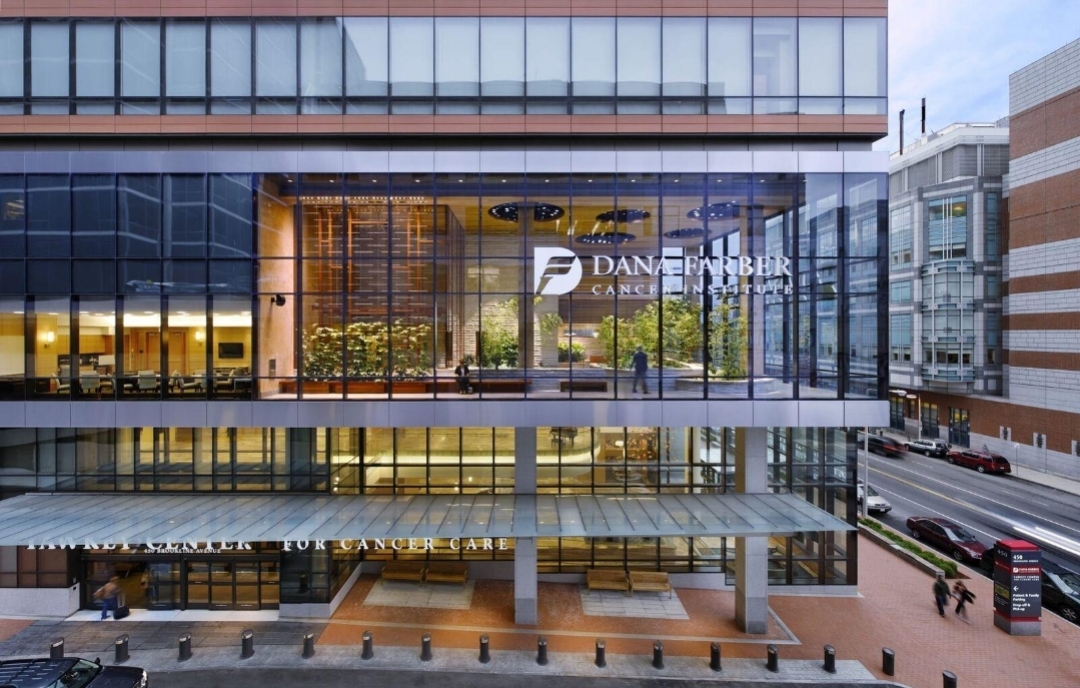
This changing landscape is illustrated by initiatives such as the Pan-Mass Challenge, which supports the Dana-Farber Cancer Institute. While the event attracts attention for its impressive participation and fundraising totals, its real importance lies in what it symbolizes: communities taking an active role in advancing medical research.
A New Era of Medical Funding
For decades, government grants formed the backbone of biomedical research. Public investment enabled scientists to pursue long-term studies, explore experimental treatments, and build the infrastructure required for medical breakthroughs.
Today, however, many research institutions face increasing uncertainty. Grant approval rates have become more competitive, research costs continue to rise, and funding priorities frequently shift. As a result, promising scientific projects can be delayed or even abandoned despite their potential to improve patient outcomes.
This is where community-funded cancer research is proving its value. Donations from individuals, foundations, charities, and fundraising events provide flexible financial support that often enables researchers to pursue innovative ideas before they qualify for larger institutional grants.
From Charity to Strategic Investment
Many people still view charitable giving as an act of generosity alone. In reality, modern philanthropy has become a form of strategic investment in society’s future.
Every contribution helps purchase laboratory equipment, supports clinical trials, funds researchers, and accelerates the development of new therapies. Rather than simply addressing immediate needs, community funding helps create the conditions necessary for long-term scientific progress.
This shift changes the relationship between citizens and healthcare. Donors are no longer passive supporters; they become active participants in the innovation ecosystem.
The Rise of “Community Capital”
PebbleGalaxy refers to this emerging model as Community Capital.
Community Capital is the collective financial and social power created when thousands—or even millions—of ordinary people contribute toward solving major public challenges.
Unlike traditional funding models that depend heavily on governments or a handful of large institutions, Community Capital distributes responsibility across society. Individual donations may appear modest, but together they create funding streams capable of supporting world-class research.
The strength of Community Capital lies not only in the money raised but also in the communities it builds. Volunteers, participants, sponsors, survivors, caregivers, and donors become long-term advocates who sustain awareness and support for years.
Why Endurance Events Work So Well
Charity cycling events, marathons, and similar endurance challenges have become powerful fundraising platforms because they combine personal commitment with public visibility.
Participants dedicate months to training, share their journeys on social media, engage friends and family for donations, and often return year after year. This creates emotional engagement that traditional fundraising campaigns rarely achieve.
The result is a self-reinforcing cycle:
- Participants inspire donors.
- Donors become future participants.
- Survivors become ambassadors.
- Communities grow stronger with each event.
The fundraising becomes more than a financial transaction—it becomes a shared mission.
Innovation Beyond Government Support
One of the greatest advantages of diversified funding is resilience.
Scientific progress becomes less vulnerable when it is supported by multiple funding sources instead of relying on a single channel. Community funding can complement government grants, corporate philanthropy, university research budgets, and private foundations.
This diversified approach allows institutions to respond more quickly to emerging scientific opportunities and invest in high-risk, high-reward research that may otherwise struggle to attract traditional funding.
Lessons Beyond Cancer Research
Although cancer research offers one of the strongest examples, the underlying model has much wider relevance.
Rare diseases, neurological disorders, mental health research, climate science, biodiversity conservation, and educational innovation all face funding constraints. Community-driven funding models could help accelerate progress across these fields as well.
Digital platforms have made participation easier than ever. Individuals can contribute financially, volunteer remotely, advocate through social media, or organize local campaigns. Technology has lowered the barriers to collective action.
Measuring Success Beyond Dollars
The impact of community-funded cancer research should not be measured solely by the amount raised.
Its broader value includes:
- Faster movement from laboratory discoveries to clinical trials.
- Greater public engagement with science.
- Increased trust between researchers and communities.
- Stronger volunteer networks.
- Long-term support for healthcare innovation.
These outcomes create lasting benefits that extend well beyond individual fundraising events.

A Future Built Together
Healthcare innovation has never depended on scientists alone. It has always required patients willing to participate in trials, institutions willing to invest, policymakers willing to prioritize research, and communities willing to believe that progress is possible.
As traditional funding models evolve, community-funded cancer research demonstrates that society itself can become an engine of innovation. Every donation, every volunteer hour, and every participant contributes to a larger ecosystem that supports discovery.
The road to medical breakthroughs is rarely short or straightforward. Yet when thousands of people unite around a shared purpose, they do more than raise funds—they help sustain hope, accelerate science, and strengthen the foundation for future advances.
The rise of Community Capital suggests that the future of medical innovation may be shaped not only by governments and institutions but also by citizens who choose to invest in a healthier tomorrow.
Reflection: As public funding becomes increasingly constrained, should community-driven funding become a permanent pillar of scientific research, or should it remain a complementary source of support?

Leave a Reply