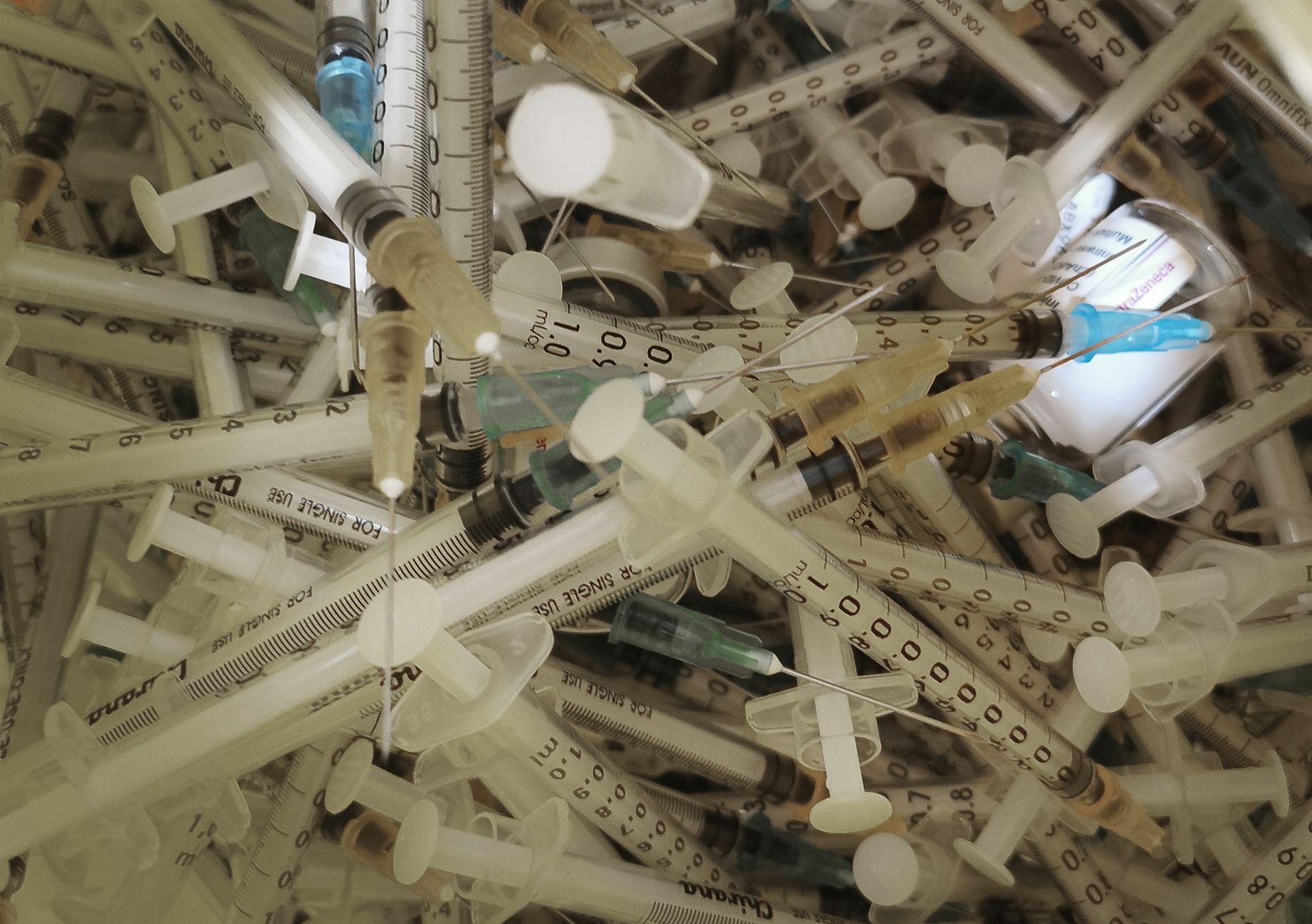
Safe needle disposal at home means placing used needles, syringes, and other sharps immediately into a puncture-resistant container and disposing of them through approved local collection programs or authorized mail-back services. Proper disposal helps prevent accidental injuries and reduces the risk of exposure to bloodborne infections.
Millions of people now receive medical care without stepping into a hospital. From insulin injections and blood glucose testing to biologic therapies and hormone treatments, home healthcare has become part of everyday life. Yet as more people manage chronic conditions independently, one crucial responsibility often receives far less attention than it deserves: safe needle disposal at home.
The injection itself may take only a few seconds. What happens afterward can have consequences that last much longer. A used needle discarded carelessly can injure family members, sanitation workers, housekeepers, pets, or anyone who unknowingly comes into contact with household waste. As healthcare shifts from hospitals to homes, safe disposal is no longer just a medical issue—it is a public safety issue.
Home Healthcare Has Created a New Waste Challenge
Healthcare has undergone a quiet transformation over the past decade. Advances in medicine, telehealth, wearable devices, and self-administered treatments have enabled millions of people to manage illnesses from home. While this improves convenience and quality of life, it also means households are generating medical waste that was once handled almost entirely by hospitals and clinics.
This growing disconnect is what PebbleGalaxy calls the Home Care Waste Gap—the widening difference between the rapid expansion of home-based healthcare and the public’s understanding of how to safely manage the medical waste it produces.
Many people learn how to inject medication correctly, but relatively few receive detailed guidance on what to do with the used needle afterward.
What Qualifies as a Medical Sharp?
When people hear the word “needle,” they often think only of syringes. In reality, several commonly used medical items are classified as sharps because they can puncture skin and potentially expose others to bloodborne pathogens.
These include:
- Syringes
- Insulin pen needles
- Lancets used for blood glucose testing
- Auto-injectors
- Infusion set needles
- Certain medical blades used in home care
Each of these requires careful handling from the moment it is used until it reaches its final disposal destination.
Why Improper Disposal Puts Others at Risk
Throwing a used needle into an ordinary trash bag may seem harmless, but the risks extend far beyond the household.
Waste collectors can suffer accidental needlestick injuries while lifting bags. Housekeeping staff may unknowingly come into contact with loose sharps. Children exploring waste bins and pets rummaging through garbage can also be injured. Even recycling workers face risks if medical waste enters the wrong waste stream.
These incidents are largely preventable. Safe disposal is not only about protecting the person using the medication but also everyone who may encounter the waste afterward.
The First Step Is Immediate Containment
One of the simplest and most effective safety practices is immediate containment.
A used needle should go directly into a puncture-resistant sharps container immediately after use. It should never be left on a bedside table, kitchen counter, or inside a plastic shopping bag while waiting to be discarded later.
Delaying disposal increases the chance of accidental injuries and makes it easier for someone else to come into contact with the sharp.
If a purpose-built sharps container is unavailable, some health authorities permit the temporary use of certain heavy-duty plastic containers. However, these alternatives should only be used where local regulations allow them, and they should never be confused with ordinary food or beverage containers.
Disposal Methods Differ by Location
There is no single disposal method that applies everywhere.
Some communities operate dedicated collection sites. Others organize periodic household hazardous waste events. Pharmacies and healthcare facilities in certain regions also accept used sharps under specific programs.
For people who do not have easy access to these options, mail-back disposal services have emerged as an alternative. These programs typically provide approved containers and packaging that allow used sharps to be transported for proper treatment and destruction.
Companies such as Sharps Assure offer one example of this approach, particularly for households and small healthcare providers.
The key point is that households should understand the disposal options available in their own locality before deciding how to manage medical waste.
Compliance Is Only Part of the Story
Disposal regulations are important, but compliance alone should not be the goal.
Safe sharps disposal reflects responsible citizenship. Every correctly disposed needle reduces the possibility of an avoidable injury somewhere along the waste management chain.
The benefits extend well beyond the individual patient. They protect sanitation workers who collect waste daily, healthcare professionals handling returned materials, family members cleaning the home, and even animals that may come into contact with improperly discarded waste.
In this sense, every household becomes part of a broader public health system.
Common Mistakes That Can Be Easily Avoided
Many disposal-related injuries occur because of simple mistakes rather than a lack of concern.
Some of the most common errors include:
- Throwing loose needles directly into household trash.
- Placing sharps in recycling bins.
- Flushing needles down toilets.
- Allowing sharps containers to overfill.
- Using thin or easily punctured containers.
- Leaving used needles where children or pets can reach them.
Each of these mistakes increases the likelihood of accidental exposure and can usually be prevented with a few simple precautions.
Why Education Must Keep Pace with Innovation
Medical technology continues to make home treatment easier than ever before. New injectable therapies are expanding rapidly, and more patients are expected to receive care outside traditional healthcare facilities.
However, technology alone cannot solve the disposal challenge.
Healthcare providers, pharmacies, manufacturers, insurers, and public health agencies all have a role in ensuring that patients receive practical guidance on safe disposal—not just instructions on using the medication itself.
Without stronger public education, the Home Care Waste Gap will continue to widen.

Looking Ahead
The future of healthcare is increasingly home-based. That trend is unlikely to reverse.
As more people take greater control of their own treatment, understanding safe needle disposal at home will become as essential as knowing how to administer medication correctly.
Safe disposal is not an afterthought. It is the final—and equally important—step in responsible home healthcare.
Every safely discarded needle protects not only the person using it but also neighbours, sanitation workers, healthcare professionals, and the wider community. In an era where healthcare increasingly begins and ends at home, proper sharps disposal deserves to become a routine habit rather than an overlooked responsibility.
Reflection: As home healthcare continues to grow, should governments and healthcare providers make safe sharps disposal education a mandatory part of every prescription involving injectable medicines?

Leave a Reply