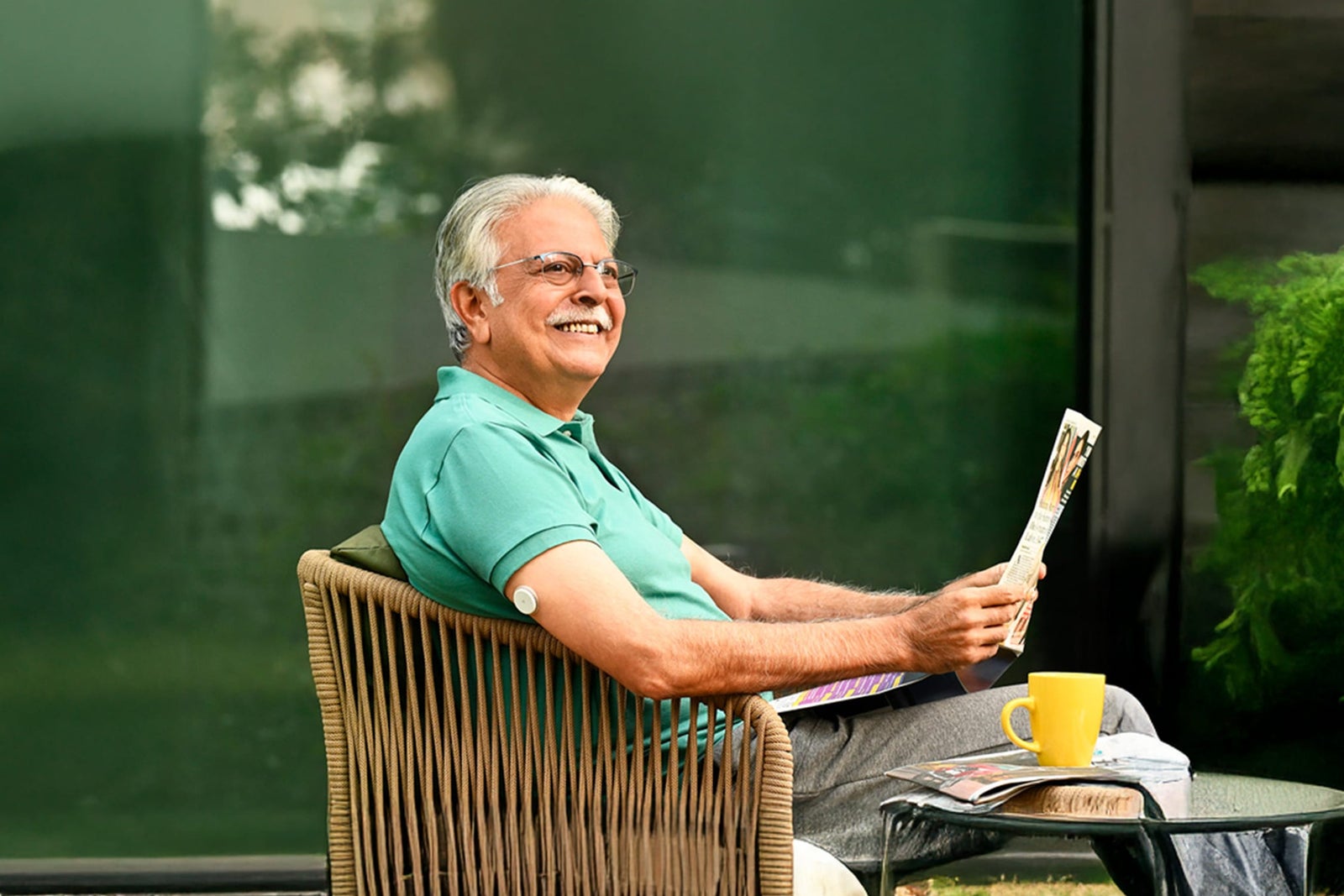
My personal journey of living with type 2 diabetes, understanding my body, and learning to manage a chronic condition one day at a time.
Twenty-five years is a long time. For me, it has been a journey of unexpected discoveries, medication, discipline, setbacks and learning. If there is one thing I have learnt, it is that managing diabetes is not a one-time achievement. It is an ongoing commitment to your health.
My journey did not begin with a routine health check-up. It began with an incident I could never have connected with diabetes at the time.
The Lump at the Back of My Neck That Changed Everything
Heading technology in a large enterprise meant dealing with demanding responsibilities, tight deadlines and constant decisions. After office hours, I would unwind by playing table tennis for about an hour almost every day.
There would be a game, a break for a Coke, another game, and then another. It was an ordinary routine that I enjoyed without giving it much thought.
Then a lump began developing at the back of my neck.
Initially, I did not think much of it. But it gradually increased in size, and after a few days, it began oozing a thick fluid. Unaware of what was happening, I placed a piece of cotton over the affected area and continued with my routine.
After about a week, someone in my family noticed it and suggested consulting a physician.
The doctor checked my blood glucose. The reading was 450 mg/dL.
I had never imagined that I might have diabetes. The doctor told me to take the situation seriously, stop consuming sugar, start medication immediately and pay attention to my health. He warned that if the lump did not subside within ten days, surgery might be necessary.
Fortunately, the medication worked, and the immediate problem improved without surgery.
But the diagnosis stayed with me.
That was my introduction to type 2 diabetes, beginning a journey that has continued for 25 years.
Learning to Live with Diabetes
What struck me most was how a seemingly unrelated health problem had revealed a chronic condition I did not know I was living with.
Since that first diagnosis, I have learnt that diabetes management requires more than an initial response. It calls for sustained attention, regular medical care and the willingness to adapt as life changes.
There have been periods when I was more disciplined about exercise and other aspects of my routine. At other times, professional and family responsibilities took precedence.
Life does not stop because you have diabetes. The challenge is to look after your health while continuing to meet your responsibilities and enjoy the things that make life meaningful.
Over time, I have come to see diabetes management as a continuing practice rather than a test I must pass perfectly every day.
The Emotional Side of a Chronic Condition
Living with diabetes involves a mental load that is not always visible to others.
Even when you are working, spending time with family or enjoying a good day, your health responsibilities remain in the background. That can become tiring, particularly when people around you focus on what you should or should not eat without understanding your circumstances.
Concern is valuable, but it is most helpful when expressed with empathy rather than judgement.
People living with diabetes need reliable information and practical support. They also need the freedom to be seen as whole individuals, with interests, ambitions, relationships and identities beyond their diagnosis.
Looking after someone’s well-being sometimes begins with listening rather than offering unsolicited advice.
Understanding Glucose Patterns Through Technology
Over the years, I have become increasingly aware of the importance of understanding what happens to glucose levels throughout the day.
Traditional blood glucose testing provides a reading at a particular moment. Continuous glucose monitoring (CGM) systems offer another way to observe glucose levels and trends over time.
During my journey, I learnt about the FreeStyle Libre continuous glucose monitoring system. Such technology can help eligible users understand glucose patterns and share relevant information with their healthcare professionals.
The value lies not simply in having more data, but in using that information appropriately to support informed conversations and individual care decisions.
Technology does not replace medical guidance, and a particular monitoring system may not suit everyone. People considering CGM should discuss its suitability with their healthcare professional.

For me, the broader lesson is that understanding your health is an ongoing process. Asking questions, recognising patterns and seeking reliable guidance can make that process more meaningful.
What 25 Years Have Taught Me
Looking back, a few lessons stand out.
Consistency matters more than perfection. Sustainable habits are more valuable than short bursts of enthusiasm.
Knowledge helps replace uncertainty with understanding. Learning about your condition can help you ask better questions and participate more actively in your care.
Mental well-being matters. Managing a chronic condition takes effort, and acknowledging that effort is not a weakness.
Every person’s experience is different. Sharing personal experiences can help others, but no single approach works for everyone.
Diabetes does not define your worth or potential. It deserves attention, but it need not overshadow every other aspect of life.
These are personal reflections, not medical prescriptions. They come from years of learning to take my health seriously while continuing to live a full life.
Looking Ahead: One Day at a Time
Twenty-five years with diabetes have taught me not to take health for granted. They have also taught me that living with a chronic condition does not mean putting life on hold.
I hope conversations about diabetes become more honest, informed and compassionate. We need to move beyond simplistic advice and blame towards early detection, accessible healthcare, reliable information and practical support.
If you are living with diabetes, remember that you are more than your blood glucose readings. If someone you love has diabetes, remember that understanding and support can make a difference. And if you want to understand the condition better, start by listening to those who experience it.
Twenty-five years have made diabetes a significant part of my life’s story, but not the whole story.
The objective is not merely to live longer with a condition. It is to live as well as possible, with awareness, responsibility, dignity and hope.
One day at a time. One informed decision at a time.
Frequently Asked Questions
1. How long has the author been living with type 2 diabetes?
The author has been living with type 2 diabetes for 25 years.
2. How was the author’s diabetes first detected?
The author visited a doctor after noticing a lump at the back of the neck that began oozing fluid. A blood glucose test showed a reading of 450 mg/dL, leading to the diabetes diagnosis.
3. What everyday habits are important for managing diabetes?
The article highlights paying attention to food, staying physically active, taking prescribed medication, monitoring blood glucose and attending regular medical consultations.
4. How can continuous glucose monitoring help people with diabetes?
Continuous glucose monitoring (CGM) helps users observe glucose levels and patterns over time, offering more information than a single blood glucose reading.
5. What has the author learned from 25 years of living with diabetes?
The author believes consistency matters more than perfection. Understanding the condition, maintaining sustainable habits and seeking support can make long-term diabetes management more manageable.
Disclaimer: This article was written as part of an awareness initiative by Blogchatter and reflects the author’s personal experience and views. It is for informational purposes only and does not constitute medical advice, diagnosis or treatment recommendations. Please consult a qualified healthcare professional for advice specific to your health needs.

Leave a Reply