Parental Sacrifice Pressure in Indian Families rarely shows up as conflict. It shows up as consistency.
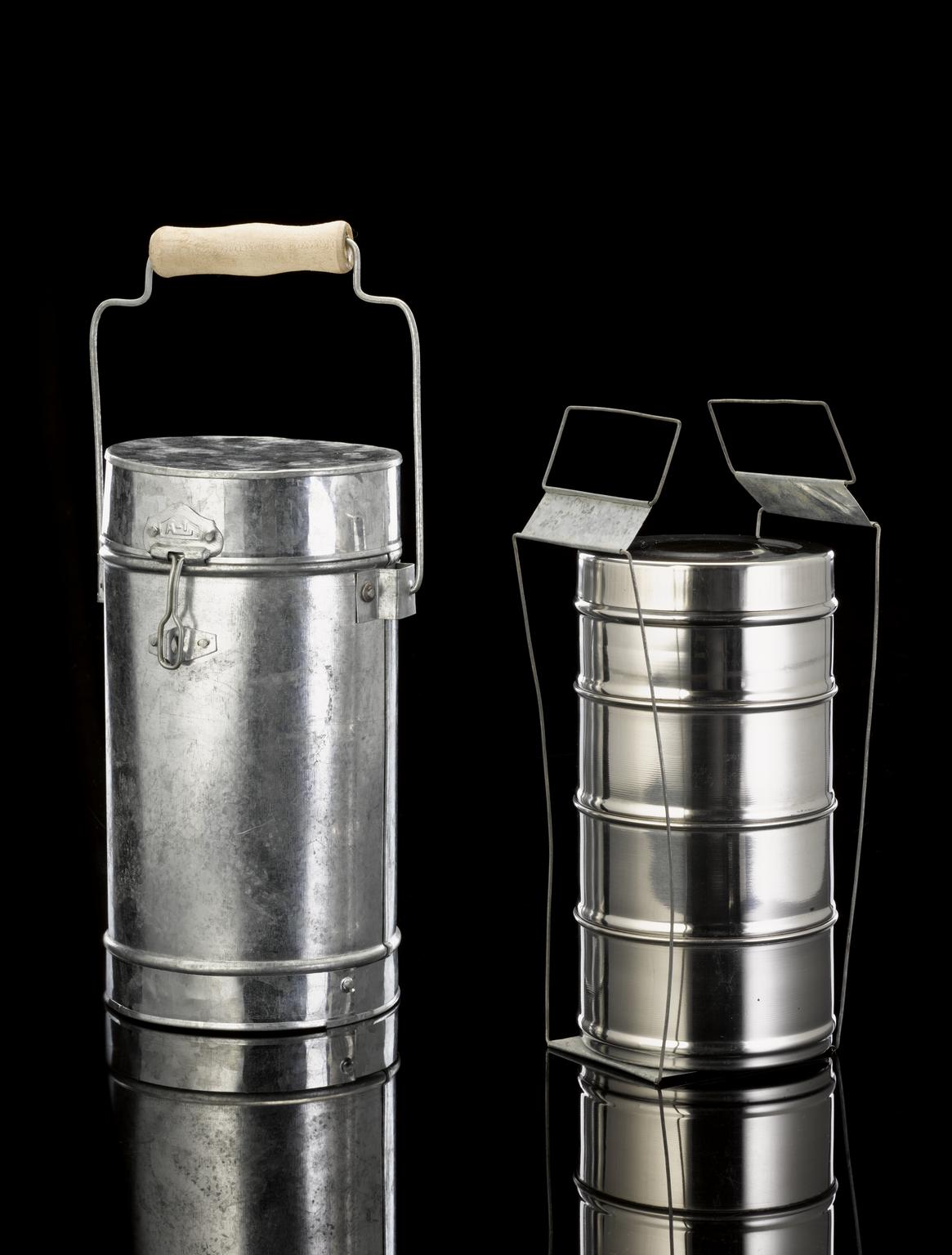
The Steel Tiffin
The steel tiffin clicked shut with a familiar sound.
Three tiers. Rice, sabzi, folded roti. The lid slightly dented near the edge.
It sat on the counter while the pressure cooker hissed. Someone wiped their hands on a faded towel. Someone checked the time again.
“Don’t skip lunch,” a voice said, not looking up.
The tiffin was placed into a cloth bag. The zipper resisted, then gave in.
Outside, a scooter started. A gate creaked. A dog barked twice and stopped.
Inside the tiffin, the food was still warm. It always was.
The Classroom Window
A boy opened his bag slowly. Not because he was careful. Because he knew what was inside.
The same steel tiffin.
The same dent.
Across the classroom, plastic boxes snapped open. Sandwiches. Noodles. Something wrapped in foil.
“Again roti?” someone said, not unkindly.
He shrugged. Didn’t answer. Tore a piece. Dipped it. Ate without looking up.
At the window, sunlight cut across the desk. Dust floated in it, slow and deliberate.
He closed the tiffin before finishing.
Later, he would say he wasn’t hungry.
Parental sacrifice pressure in Indian families rarely announces itself.
It sits quietly in objects. In routines. In things that return every day without fail.
Like a steel tiffin.
The Office Pantry
A man rinsed his tiffin under the tap. The water ran longer than needed.
He leaned against the counter, watching nothing in particular.
“You still bring lunch from home?” someone asked, stirring sugar into tea.
“Yeah.”
“Lucky. I just order now. No time.”
He nodded.
Did not say that the tiffin arrived every morning without asking.
Did not say that refusing it once had created a silence that lasted two days.
Instead, he wiped the lid dry. Carefully. As if the dent mattered.
There is a version of love that feeds.
There is another that keeps count.
The difference is subtle. Often invisible.
The Wedding Hall
A woman adjusted her dupatta near the mirror. The room buzzed with voices, overlapping, rising and falling.
Someone called her name. Someone else asked about jewelry.
On the table beside her bag sat a familiar shape.
The same steel tiffin.
Her mother had packed it “just in case.” The caterer was late. The guests were restless.
“Eat something before the ceremony,” her mother said, pressing the bag into her hands.
“I’m not hungry.”
“Still. Eat.”
The tiffin opened. The smell rose quickly, filling the small room.
For a moment, everything else faded.
She took a bite. Then another.
“You’ve always liked this,” her mother added.
She nodded.
Did not say that liking had nothing to do with it anymore.
Parental sacrifice pressure in Indian families does not always sound like pressure.
Sometimes, it sounds like care repeated too many times.
Sometimes, it sounds like remembering what someone likes, even when they have changed.
The Train Compartment
The train moved with a steady rhythm. Metal against metal. A low, continuous hum.
A student sat by the window, bag tucked under the seat. He opened it halfway, then closed it again.
Across from him, an older man unpacked his meal. A steel tiffin. Slightly dented.
The student watched without meaning to.
“Have some,” the man said, offering a piece of roti.
“No, thank you.”
“Long journey.”
“I’m okay.”
The man insisted once more, then withdrew. Ate quietly.
The student turned to the window. Fields blurred into each other.
He reached into his bag. Touched the cold surface of his own tiffin. Did not take it out.

There is a moment when gratitude becomes performance.
It looks identical from the outside.
It feels different from within.
The Kitchen Again
The same kitchen. Years apart, but nothing had moved.
The towel was new. The dent in the tiffin was not.
A woman stood at the counter, packing food with quick, practiced hands.
“Too much?” she asked.
“No.”
“You’re eating properly?”
“Yes.”
She paused. Looked up.
“You’ve become so thin.”
He smiled. A small, controlled expression.
“I’m fine.”
The lid closed. The familiar click echoed briefly.
Parental sacrifice pressure in Indian families often hides inside questions that have only one acceptable answer.
“Did you eat?”
“Are you okay?”
The answers are rehearsed. Not because they are false. Because they are easier.
The Corridor Outside
He stood outside the office building, holding the bag.
He had not taken the tiffin out all day.
The security guard nodded as he passed.
“Going home?”
“Yeah.”
The bag felt heavier now. Not because of the food.
Because of what remained untouched.
There is an invisible contract in many homes.
It is not written. Not spoken.
But it is understood.
You will carry what we have given you.
Not just the food.
Everything.
The Hospital Waiting Room
A plastic chair. White walls. A clock that ticked too loudly.
A woman sat with her hands folded. A cloth bag rested beside her.
Inside it, a steel tiffin.
Untouched.
A nurse walked past. Someone called a name. Someone else began to cry softly.
She opened the tiffin slowly.
The food had gone cold.
She took a bite anyway.
Across from her, a young man watched. Then looked away.
He knew that tiffin.
Not that one. But one like it.
Always warm. Until it wasn’t.
Parental sacrifice pressure in Indian families changes shape over time.
At first, it feeds.
Then, it follows.
Then, it stays, even when everything else shifts.
The Balcony at Night
The city hummed below. Distant traffic. A dog barking again, somewhere far.
He stood with the tiffin in his hands.
Unopened.
Inside, the food had cooled. Settled into itself.
He thought of the kitchen. The classroom. The train. The wedding hall.
All the places the tiffin had appeared.
All the times he had said yes without meaning it.
And, in fact, all the times he had said no and felt something tighten.
He placed it on the railing.
Not to drop it.
Just to let it rest somewhere else for a while.
There is no clean boundary between love and obligation.
They blur. Overlap. Replace each other quietly.
What begins as care can become weight.
What feels like warmth can begin to press.
The Last Click
He opened the tiffin.
The lid came off with the same familiar sound.
Inside, the food waited.
Unchanged.
He did not eat immediately.
He did not close it either.
For a long moment, he simply held it there.
Between hunger and hesitation.
Between memory and now.
The night air moved gently around him.
And the tiffin, for once, remained open.
REFLECT FOR A MOMENT:
When does care begin to feel like expectation?
There are gestures that repeat so often they stop feeling optional. They settle into routine, into identity. Somewhere in that repetition, choice fades quietly.
What do we carry that was never explicitly asked of us?
Not all burdens are given directly. Some are inherited through tone, through silence, through the weight of what has already been done for us.
Can love exist without needing to be acknowledged?
Or does it always leave behind a trace—a need to be seen, returned, or remembered in a certain way?
This post is a part of Blogchatter A2Z Challenge 2026.

Leave a Reply