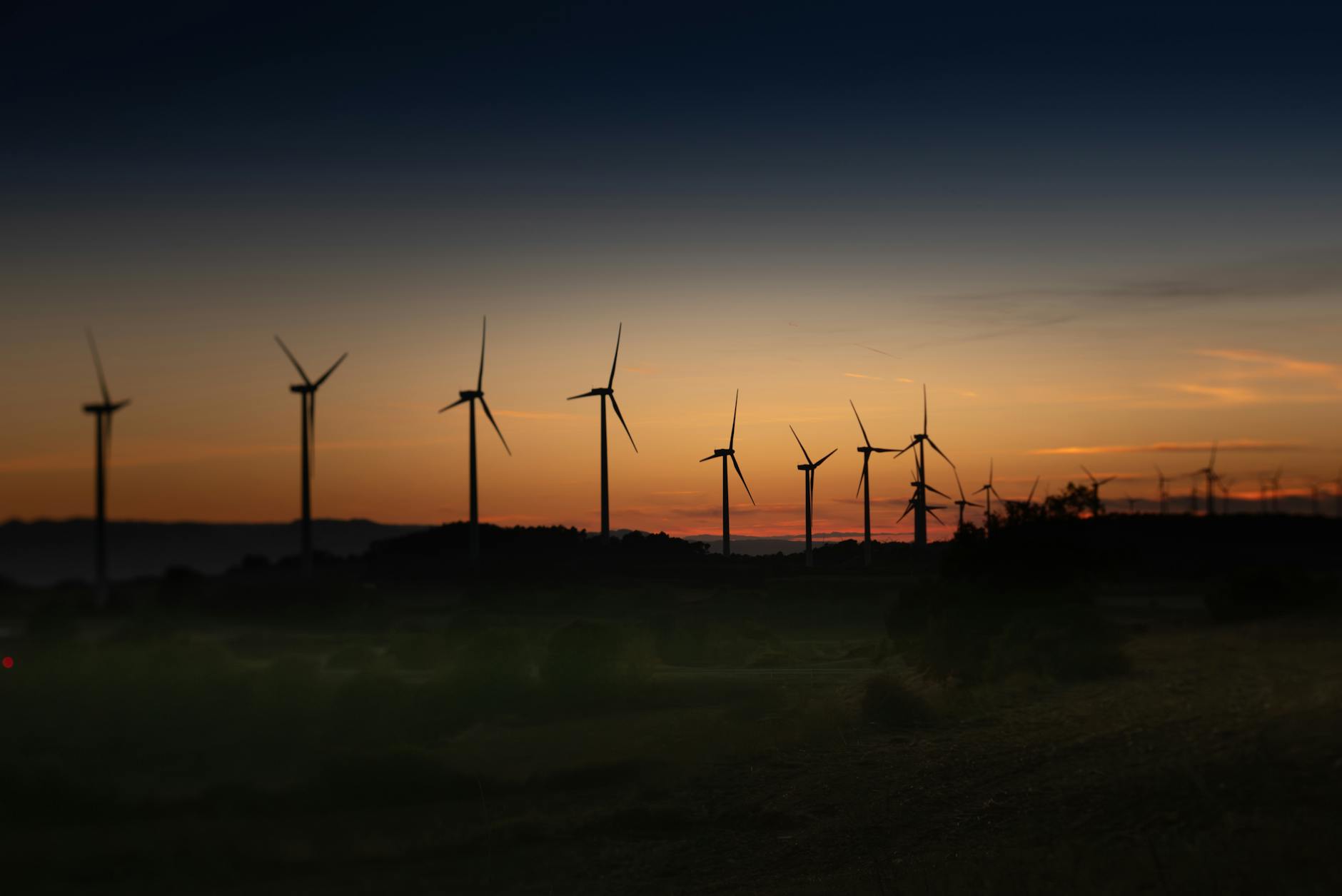
When energy disappears, trust quietly takes its place
You don’t think about electricity—until it fails. Lights turn on. Devices charge. Systems hum. And somewhere along the way, energy stopped being something we experience and became something we assume. That quiet shift is at the heart of how advanced solar module technology is changing energy reliability—not just as an engineering story, but as a cognitive one.
Because the real transformation isn’t happening on rooftops or solar farms.
It’s happening in your expectations.
Reliability is replacing visibility in modern energy systems
There was a time when energy was visible. Power cuts were frequent. Voltage fluctuations were normal. Generators were status symbols. You felt energy as an unstable force.
Today, reliability has replaced visibility.
This is precisely where how advanced solar module technology is changing energy reliability becomes meaningful. The goal is no longer just to generate power—it is to eliminate the experience of uncertainty.
The more advanced the system, the less you notice it.
This is not accidental. It’s engineered.
Modern energy systems are being designed with redundancy, efficiency optimization, and predictive stability baked in. Heat management, structural design, and performance consistency are no longer “features.” They are expectations.
And expectations, once set, are invisible.
The psychology of “always-on” reshapes human attention
When something works perfectly, it disappears from attention.
This is a fundamental cognitive principle: humans allocate attention to anomalies, not stability. As energy systems become more reliable, they fade into the background of consciousness.
That’s where how advanced solar module technology is changing energy reliability intersects with behavior.
You no longer plan your day around electricity.
You no longer think about load capacity before plugging in devices.
Above all, you no longer associate energy with risk.
This creates a subtle but powerful shift: energy moves from being a resource you manage to a utility you trust.
And trust, unlike management, is passive.
Engineering precision is quietly replacing human vigilance
Historically, reliability depended on human intervention—maintenance checks, manual adjustments, reactive fixes.
Now, reliability is shifting upstream into design itself.
Advanced systems are built to:
- Minimize heat-related degradation
- Optimize output consistency across conditions
- Reduce failure probability at the component level
This is where how advanced solar technology is changing energy reliability becomes a systems story.
Instead of fixing problems after they occur, systems are engineered to prevent problems from emerging.
This transition—from reactive correction to proactive design—is redefining what “reliability” means.
It’s no longer about uptime.
It’s about predictability.
When systems improve, awareness paradoxically declines
There’s a paradox embedded in progress.
The better systems become, the less users understand them.
As how advanced solar module technology is changing energy reliability accelerates, something else declines: user literacy.
Most people cannot explain how their energy system works.
They cannot diagnose issues.
They cannot anticipate risks.
And because failures are rare, they are also unprepared for them.
This creates a new kind of fragility—not in the system, but in the user.
When breakdowns occur, they feel catastrophic—not because they are frequent, but because they are unfamiliar.
Emerging markets are skipping visible instability altogether
In many regions, energy evolution is not linear—it’s leapfrogged.
Instead of moving from unreliable grids to stable ones gradually, entire ecosystems are jumping directly into optimized, distributed energy systems.
This makes how advanced solar module technology is changing energy reliability even more significant.
Because in these environments:
- Users may never experience unstable energy
- Reliability becomes a default expectation from the start
- Infrastructure is built around optimization, not correction
This creates a generation of users for whom energy instability is not a memory—but an anomaly.
And anomalies, when they occur, feel unacceptable.
Efficiency is no longer about output—it is about continuity
Traditionally, energy efficiency was measured in output metrics: watts, conversion rates, yield.
But that definition is evolving.
Efficiency now includes:
- Thermal stability
- Performance consistency over time
- Reduced degradation
- Lower lifecycle risk
This reframes how advanced solar module technology is changing energy reliability.
It’s no longer about producing more energy.
It’s about ensuring that energy behaves consistently, predictably, and safely across time.
In other words, efficiency is becoming synonymous with continuity.
The silent shift from energy production to experience design
What we are witnessing is not just a technological upgrade.
It is a shift in design philosophy.
Energy systems are no longer built just to produce electricity.
They are built to create an experience—one where:
- Interruptions are rare
- Risks are minimized
- Performance is predictable
This is where how advanced solar module technology is changing energy reliability becomes deeply human.
Because the end goal is not energy.
It is peace of mind.
And peace of mind is an experiential outcome, not a technical metric.
The more reliable systems become, the less we question them
Reliability breeds trust. Trust reduces scrutiny.
This is efficient—but also dangerous.
As systems become more advanced, fewer people question:
- How they work
- What risks remain
- What dependencies are being created
This creates a blind spot.
Because no system is perfect.
And when trust becomes automatic, questioning becomes rare.
This is the contrarian tension within how advanced solar module technology is changing energy reliability.
Progress reduces friction—but it also reduces awareness.
What this means for the future of everyday decision-making
Energy is becoming invisible.
And invisible systems shape behavior more powerfully than visible ones.
Because you don’t adapt to them consciously.
You build your life around them unconsciously.
As how advanced solar module technology is changing energy reliability continues, expect:
- Less tolerance for disruption
- Higher dependence on uninterrupted systems
- Reduced personal contingency planning
In short, reliability will raise expectations faster than resilience.
And that gap will define the next phase of user experience.
What you should start noticing in your own behavior
Ask yourself:
- When was the last time you thought about your energy source?
- Do you assume continuity without verification?
- Are your daily routines dependent on uninterrupted power?
These are not technical questions.
They are behavioral indicators.
Because the real impact of how advanced solar module technology is changing energy reliability is not in infrastructure—it is in habit formation.
You are adapting.
Quietly.

The future will not fail often—but when it does, it will matter more
We are moving toward a world where failures are rare.
But rarity increases impact.
When systems are expected to work flawlessly, even minor disruptions feel major.
That is the final tension.
The more reliable energy becomes, the less tolerant we become of its failure.
And that is not just a technological shift.
It is a psychological one.

Leave a Reply