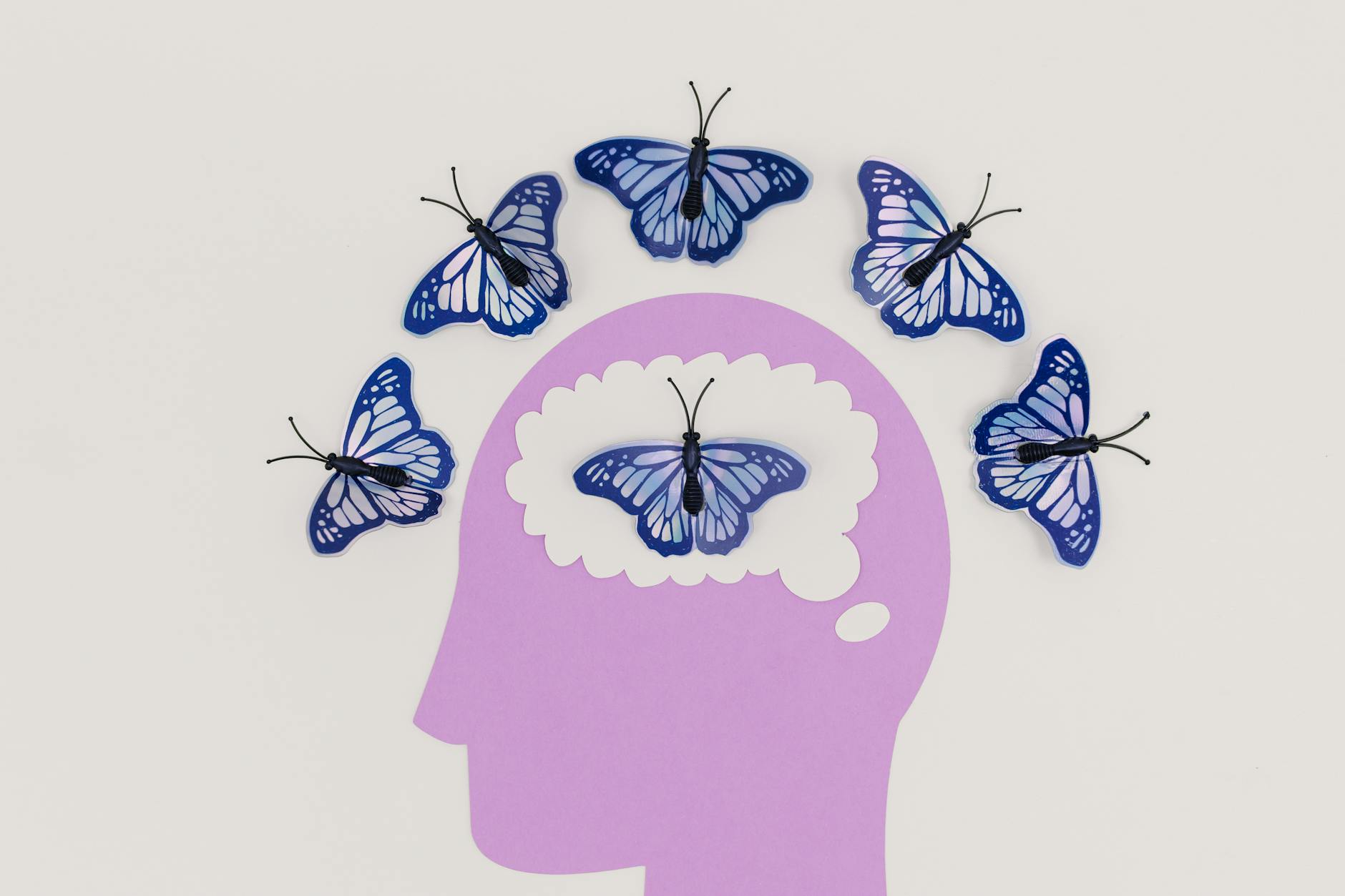
This is the rise of sensory urban design for mental health—where environments are engineered to influence how you feel, not just how you move.
When cities begin to feel what humans cannot process
You walk through a park, and something shifts. Not dramatically. Not consciously. Just enough to notice that your shoulders drop, your breath slows, and your thoughts soften.
This is not accidental anymore. It is engineered. And it reflects a deeper shift toward sensory urban design for mental health, where cities are no longer just places we live—but systems that subtly regulate how we feel.
The question is not whether this works. The real question is: what does it change about us?
The silent rise of environments that manage emotion
For decades, mental health has been framed as an internal battle—something to be solved through therapy, medication, or personal effort.
But that model is quietly expanding. Today, emotional regulation is increasingly being embedded into external environments. Lighting, soundscapes, textures, and now even scent are being orchestrated to influence psychological states.
This is where sensory urban design for mental health becomes more than a trend—it becomes a systemic shift.
Instead of asking individuals to adapt to cities, cities are beginning to adapt to individuals.
And that inversion changes everything.
Why humans are seeking regulation outside themselves
Modern life has overwhelmed our cognitive bandwidth. Notifications fragment attention. Work bleeds into rest. Silence is rare.
The result? Emotional fatigue without clear resolution.
In such conditions, the brain looks for shortcuts. It seeks cues that signal safety, calm, or stimulation—without requiring effort.
Sensory inputs are the fastest pathway.
- A familiar scent can trigger memory instantly
- Natural elements can reduce cortisol levels
- Ambient environments can influence mood without conscious awareness
This explains why sensory urban design for mental health is gaining traction. It aligns with how the brain already works—fast, associative, and reactive.
But it also reveals something deeper:
We are no longer trusting ourselves to regulate our own emotions consistently.
The transformation of cities into emotional interfaces
Cities have always shaped behavior—through architecture, mobility, and social structure.
But now they are beginning to shape emotion directly.
This marks the emergence of what can be called “emotional infrastructure.”
Not roads. Not buildings.
But designed experiences that influence internal states.
In this model:
- Parks become recovery zones
- Public installations become emotional triggers
- Everyday spaces become therapeutic touchpoints
Through sensory urban design for mental health, cities are evolving into interfaces between external stimuli and internal experience.
They are no longer passive backdrops.
They are active participants in how we feel.
The hidden trade-off between comfort and resilience
There is an uncomfortable tension beneath this shift.
If environments constantly regulate our emotions, what happens to our ability to regulate them ourselves?
This is the contrarian edge that often goes unexamined.
Because while sensory environments can:
- Reduce stress
- Enhance mood
- Improve accessibility to mental well-being
They can also create dependency.
When calm is always externally available, internal coping mechanisms may weaken.
This is not a rejection of sensory urban design for mental health—but a necessary counterbalance.
Because resilience is built through friction, not just comfort.
The subtle commercialization of emotional well-being
Another layer sits beneath the surface: monetization.
As emotional experiences become designable, they also become marketable.
- Scent becomes productized
- Calm becomes curated
- Healing becomes packaged
This creates a new category: emotional economy.
Where value is no longer just in utility—but in how something makes you feel.
The risk?
Emotions may shift from being authentic signals… to engineered outcomes.
And when that happens, the line between care and control becomes blurred.
Why this shift feels both intuitive and unsettling
On one hand, sensory urban design for mental health feels like progress.
It acknowledges that:
- Mental health should not be isolated
- Environments matter deeply
- Support can be embedded into daily life
On the other hand, it challenges a core assumption:
That emotions are personal, internal, and self-driven.
Now, they are increasingly:
- Influenced externally
- Designed intentionally
- Experienced collectively
This duality is why the shift feels both comforting and slightly disorienting.
Because it changes the locus of control.

What this means for the future of human behavior
Looking forward, three patterns are likely to emerge:
1. Emotional expectations will rise
People will begin to expect environments to “support” their mental state. Neutral spaces may feel inadequate.
2. Sensory literacy will become critical
Understanding how environments affect emotion will become a key skill—not just for designers, but for individuals.
3. Internal regulation will become a differentiator
In a world of external support, those who can self-regulate without it will have a psychological edge.
This is the paradox:
The more cities help us feel better,
the more valuable independent emotional resilience becomes.
The quiet behavior shift most people won’t notice
Here is the subtle change that will define this era:
People will begin to choose spaces not based on function—but on how those spaces make them feel.
This is already happening:
- Cafés chosen for mood, not menu
- Workspaces chosen for calm, not convenience
- Public spaces chosen for emotional alignment
Sensory urban design for mental health accelerates this behavior.
And over time, it will reshape how we move through cities, make decisions, and even form relationships.
The question that lingers beyond the experience
As you leave a space designed to calm you, something stays behind.
Not just the feeling—but the realization.
If your environment can shift your emotional state so easily…
how much of what you feel is truly yours?
This is not a problem to solve.
It is a question to sit with.
Because the future of cities is not just about smarter systems or greener spaces.
It is about something far more intimate:
Who gets to shape how you feel—you, or the world around you?

Leave a Reply