Retail category consolidation strategy: Why chilled + ambient integration is reshaping food retail
Most food strategies fail because they optimize products, not systems.
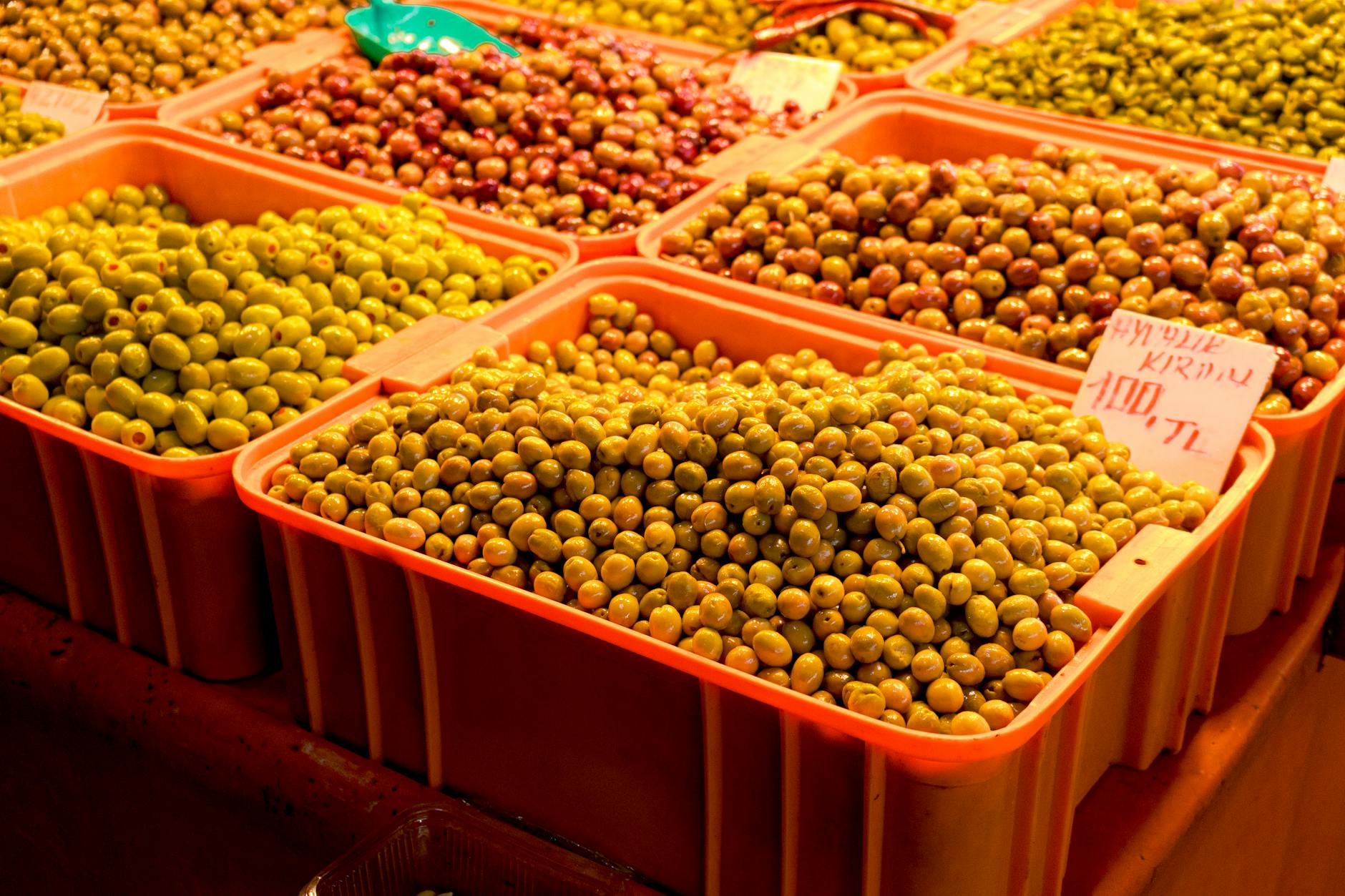
A recent move by Arvos to acquire Père Olive from Labeyrie Fine Foods may appear like a routine expansion in the olive segment.
But beneath the surface, it signals something far more structural.
This is about how food retail itself is being reorganized.
From product categories to consumption systems
For decades, retail has been structured around static categories:
- Ambient (shelf-stable)
- Chilled (refrigerated)
- Frozen
This model was efficient for logistics—but disconnected from how people actually consume food.
Consumers don’t think in temperature zones.
They think in moments:
- “What can I snack on quickly?”
- “What do I serve guests?”
- “What feels fresh but convenient?”
That gap between retail structure and consumer behavior is now becoming too large to ignore.
And that’s where a retail category consolidation strategy starts to emerge.
Why chilled + ambient integration is a strategic shift
The combination of ambient olives with chilled antipasti and dips creates something powerful:
Not a wider product range—but a connected consumption experience.
This allows companies to:
- Influence multiple touchpoints in a single consumption moment
- Increase basket size through cross-category pairing
- Strengthen retailer reliance on integrated suppliers
Instead of competing SKU vs SKU, they start competing system vs system.
That’s a fundamentally different game.
The rise of “Thermal Convergence”
Let’s define the deeper pattern.
👉 Thermal Convergence
The integration of ambient and chilled food ecosystems to control consumption occasions rather than individual product categories.
This is the real strategic shift.
Because once a company operates across temperature formats, it gains:
- Flexibility in merchandising
- Control over consumer decision journeys
- Ability to design category narratives
In simple terms: it stops selling products and starts shaping behavior.
Retail shelves are becoming strategic battlegrounds
Retailers today are dealing with increasing complexity:
- Too many fragmented sub-categories
- Lower differentiation within shelves
- Pressure to improve per-square-foot returns
An integrated supplier simplifies this.
By offering both chilled and ambient solutions within the same consumption theme (like “apéro” or snacking), they help retailers:
- Reduce assortment friction
- Improve visual merchandising
- Drive higher conversion
This is why suppliers who embrace a retail category consolidation strategy gain disproportionate influence.
They don’t just fill shelves—they help design them.
Supply chain is no longer backend—it’s the moat
What makes this shift viable is not branding.
It’s infrastructure.
By connecting:
- Direct olive sourcing in origin countries
- Large-scale ambient processing
- Chilled production facilities
Companies can ensure:
- Consistent quality across formats
- Stable supply despite volatility
- Cost efficiencies through integration
In an uncertain global environment, reliability itself becomes a premium offering.
And premium translates into pricing power.
The hidden growth driver: the “apéro economy”
One of the most understated signals in this move is the focus on “apéro”—informal, social, snack-based eating.
This consumption pattern is growing globally because it aligns with:
- Urban lifestyles
- Smaller households
- Experience-driven consumption
Unlike traditional meals, this category:
- Has higher frequency
- Encourages variety
- Supports premium positioning
By integrating chilled and ambient products, companies can own this entire experience—from shelf to table.
That’s not category expansion.
That’s occasion ownership.
Why this model will expand beyond Europe
While this shift is visible in European markets, its real potential lies in emerging economies.
In countries like India, rapid urbanization is creating demand for:
- Ready-to-eat options
- Premium snacking
- Hybrid fresh-convenience formats
As modern retail expands, the traditional separation between chilled and ambient will start breaking down.
Companies that build integrated ecosystems early will:
- Scale faster
- Secure stronger retail partnerships
- Capture evolving consumption habits
The same retail category consolidation strategy will become a competitive necessity—not an advantage.
What this means for FMCG and retail leaders
This shift demands a rethink at multiple levels:
1. Category thinking must evolve
Move beyond product silos toward consumption ecosystems.
2. Supply chains must integrate
Temperature formats can no longer operate independently.
3. Merchandising must simplify
Retail experiences should align with how people actually consume.
4. Partnerships must deepen
Retailers will increasingly depend on system-level suppliers.
Featured snippet: Retail category consolidation strategy
Retail category consolidation strategy is the integration of multiple product categories—often across ambient and chilled formats—into a unified system designed to improve retail efficiency, align with consumer behavior, and drive higher category growth.

The bigger picture: control the structure, not just the product
The most important shift here is subtle but powerful.
Competition is no longer about:
- Better taste
- Better packaging
- Better pricing
It is about controlling the structure in which choices are made.
Whoever designs that structure—across temperature, category, and consumption—wins.
Closing insight
This is not just a food industry evolution.
It is a retail architecture transformation.
And it raises a critical question:
👉 Are you still optimizing products—or are you building systems that shape how those products are chosen?

Leave a Reply