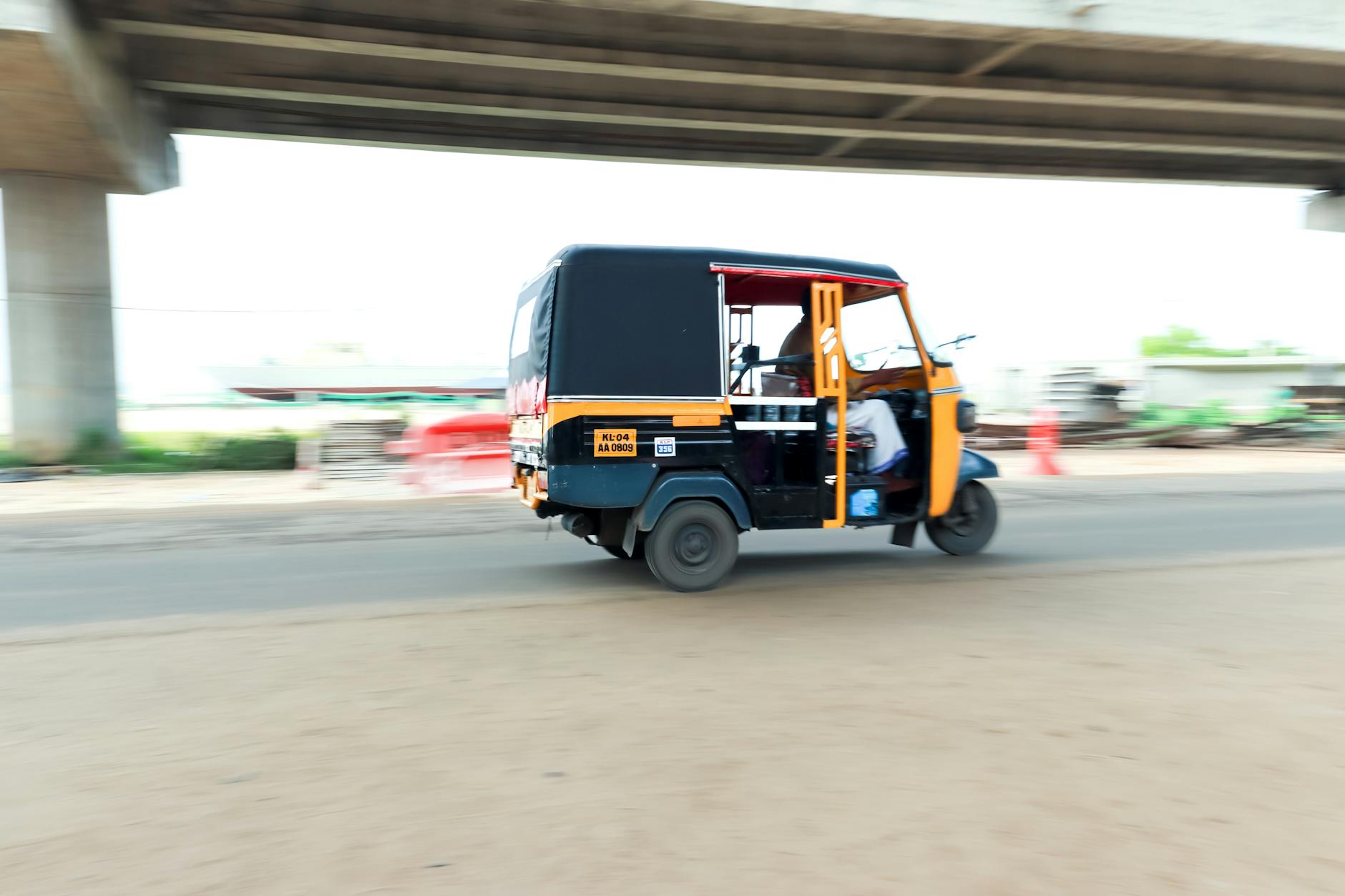
If you think the rise of electric three-wheeler in India is just another EV trend, you’re missing the real story.
Because what looks like a simple partnership between Hyundai Motor Company and TVS Motor Company is actually a signal of something much larger—
a structural shift in who controls the most invisible yet critical layer of urban life: last-mile mobility.
The Illusion: A Product Launch
At the surface, this is straightforward.
Two companies.
One electric three-wheeler platform.
A push toward sustainable transport.
The narrative sounds familiar:
- Cleaner mobility
- Better design
- Local adaptation
But this is the visible layer.
Most press releases—including those around this partnership—are engineered to highlight progress, collaboration, and innovation. And while all of that may be true, it rarely answers the deeper question:
What is actually changing beneath the surface?
The System Beneath: Last-Mile Is the Real Economy
India’s mobility system isn’t defined by cars—it’s defined by movement density.
Auto-rickshaws, cargo three-wheelers, and informal transport networks:
- Move people across short distances
- Deliver goods within tight urban clusters
- Enable gig work and micro-entrepreneurship
- Keep hyperlocal economies functioning
This is where electric three-wheeler in India becomes critical.
Because whoever influences this layer influences:
- Daily cash flows for millions
- Urban logistics efficiency
- Accessibility of work and services
In many ways, last-mile mobility is not just a transport issue—it’s an economic backbone.
Why Global Players Are Entering Now
Historically, this space was dominated by local manufacturers who understood the nuances of Indian roads, price sensitivity, and user behavior.
So why is a global player like Hyundai Motor Company is stepping in now?
1. Electrification Lowers Entry Barriers
Electric vehicle architecture is more modular than traditional internal combustion systems.
This allows companies to rethink design, manufacturing, and platform integration.
2. Data Becomes the New Fuel
Electric vehicles are not just mechanical machines—they are data-generating systems.
They can capture:
- Usage patterns
- Route efficiencies
- Charging behavior
Over time, this data becomes more valuable than the vehicle itself.
3. Platform Control Matters More Than Product Sales
The real strategic shift is this:
It’s no longer just about selling a vehicle.
It’s about building an ecosystem around it.
This includes:
- Financing models
- Service networks
- Fleet integrations
- Charging infrastructure
This is precisely why collaboration with a player like is TVS Motor Company is critical—deep local knowledge meets global scale and technology.
Electric Three-Wheeler in India and the Shift from Ownership to Dependence
At first glance, electric three-wheelers promise a clear upgrade:
- Lower running costs
- Reduced emissions
- Less mechanical complexity
But every technological shift introduces new trade-offs.
From a systems perspective—and even through the lens of Behavioral Economics—this transition subtly changes how users interact with their assets.
Drivers who once relied on:
- Fuel stations
- Local mechanics
Now begin to depend on:
- Battery ecosystems
- Charging networks
- Structured financing systems
This is a move from independent ownership → ecosystem dependence.
And that shift has long-term implications.
What This Means for Drivers and Micro-Entrepreneurs
For millions of drivers, the rise of electric three-wheeler in India is not just a technological change—it’s a livelihood transformation.
The Gains:
- Lower daily operating costs
- Quieter, smoother driving experience
- Potential for higher margins over time
The Risks:
- High upfront costs (or financing dependency)
- Battery replacement expenses
- Limited charging infrastructure in some regions
- Dependence on organized service ecosystems
This is not a simple upgrade—it’s a redistribution of risk and control.
India as a Global Test Bed
The unveiling of electric three-wheeler concepts at events like Bharat Mobility Global Expo 2025 signals more than innovation—it signals intent.
India offers:
- Massive scale
- Diverse usage conditions
- High demand for affordable mobility
Which makes it an ideal testing ground.
Insights generated here can be replicated across:
- Southeast Asia
- Africa
- Latin America
Even institutions like the World Bank have highlighted how urban mobility systems directly influence economic productivity in developing regions.
So what happens in India doesn’t stay in India—it becomes a global blueprint.

The Bigger Picture: This Is Infrastructure, Not Just Mobility
A common mistake in analyzing EV trends is focusing only on the vehicle.
But the real transformation is infrastructural.
Electric three-wheelers are becoming:
- Nodes in logistics networks
- Extensions of e-commerce ecosystems
- Enablers of decentralized work
They connect:
- Warehouses to homes
- Workers to opportunities
- Businesses to customers
In that sense, they are not just vehicles—they are part of a living economic system.
Conclusion: The Real Question Behind Electric Three-Wheeler India
It’s easy to look at this shift and see:
- Cleaner transport
- Better technology
- New partnerships
But the deeper reality is more complex.
The rise of electric three-wheeler in India is not just about sustainability.
It is about:
- Who controls last-mile access
- How economic value is distributed
- Which systems people become dependent on
So the real question isn’t:
“Are electric three-wheelers the future?”
The real question is:
“Who will control the infrastructure that moves everyday life?”
Because once that layer is shaped,
everything built on top of it—commerce, work, access—follows.


Leave a Reply