What is one way you have grown this year?
Inner Peace Urban Chaos
A Journey Through Modern India’s Heartbeat
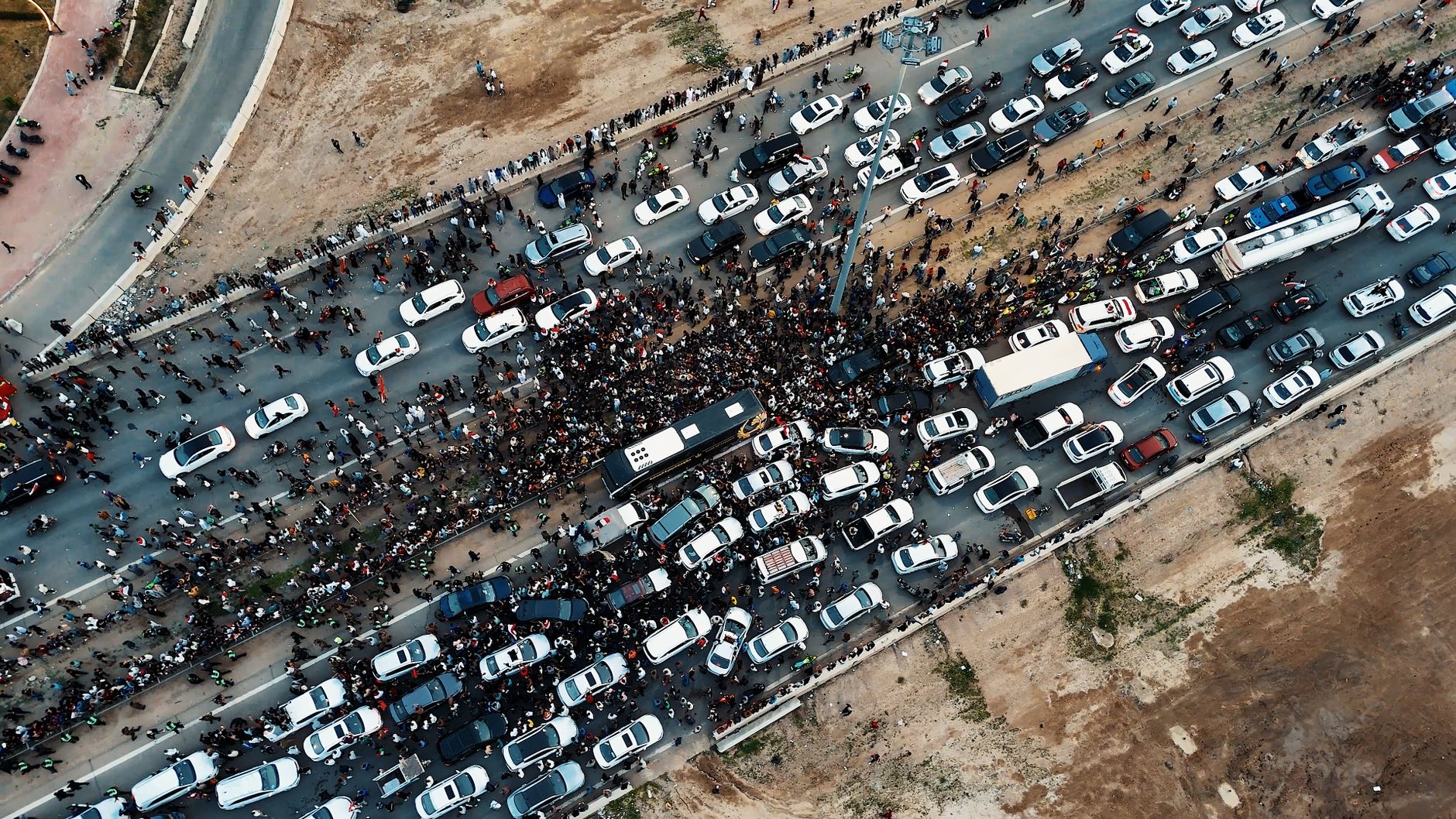
Mindfulness in urban India has evolved from ancient yogic practices to something uniquely contemporary—finding inner peace amidst the relentless rhythm of city life. As Chennai’s traffic lights pulse, Bengaluru’s tech parks innovate, and Delhi’s metro stations overflow, a new generation of Indians is discovering that stillness isn’t about escaping chaos but learning to dance within it. The keyword “inner peace urban chaos” captures this paradox: how do we cultivate calm when our smartphones never stop buzzing and our cities never truly sleep?
Inner Peace Urban Chaos: A Journey of Transformation
This poem emerged from my own journey of transformation—from viewing urban chaos as an obstacle to be overcome to recognizing it as the very field where mindfulness becomes practical and profound. Through meditation cushions beside charging stations, yoga breaks between meetings, and finding temple bells in traffic’s symphony, we discover that modern spiritual practice isn’t about retreating from the world but engaging with it more fully, more consciously, and more compassionately.
───────────
The Digital Awakening
The screen glows amber at 3 AM—
twenty-seven unread messages
pulsing like digital heartbeats
against my thumb’s tired rhythm.
Each notification a demand,
each buzz a summons to urgency,
each blue checkmark a judgment
on my worth measured in responses.
Outside my window,
Delhi sighs awake—
auto-rickshaws coughing diesel,
temple bells threading through traffic,
construction hammers measuring time
against the morning’s patience.
The city breathes in rhythms
older than our smartphones,
yet younger than our ancient Vedas.
I used to think peace
lived in Himalayan caves,
in monastery gardens,
in places where silence was law
rather than exception.
I imagined monks in saffron robes
sitting beneath Bodhi trees,
their minds serene,
their faces peaceful,
their hearts undisturbed
by the world’s demands.
But here, in this concrete jungle,
where concrete grows like weeds
and steel trees touch polluted skies,
I discover stillness
not in absence of noise
but in presence of awareness.
My meditation cushion
sits beside the charging station,
incense shares shelf space
with laptop chargers,
prayer flags flutter
next to WiFi routers.
The morning chaos
becomes my meditation:
red light—breathing space,
metro announcement—impermanence reminder,
chai vendor’s call—present moment anchor.
───────────
The Urban Monastery
Rain falls harder on tin roofs
than on temple bells,
yet both create music
for those with listening ears.
In Mumbai’s local trains,
I found sanctuary
not in empty compartments
but in shared silence
between strangers—
heads bent over phones,
yet together in this journey.
The paradox of modern India:
we are more connected
than ever before,
yet some of us have never been
more alone with ourselves.
I watch my colleagues
in Bengaluru’s tech parks,
where innovation blooms
like lotus flowers
in silicon ponds,
practicing yoga
between meetings,
finding balance
in the balance sheet.
They close their eyes
in open-plan offices,
their minds traveling
to places their bodies cannot reach,
their spirits soaring
above the cubicle walls.
The ancient rishis spoke
of finding Brahman in everything,
but we modern seekers
must find our divinity
in notification alerts,
in Zoom meeting backgrounds,
in the space between WhatsApp pings.
My inner peace
doesn’t demand silence—
it exists
in the pause before responding,
in the breath between traffic signals,
in the moment before unlocking
the next screen.
Urban mindfulness
is not about escaping
but about engaging
with eyes open,
with heart aware,
with senses present
to the miracle of ordinary moments.
───────────
The Monsoon Wisdom
The monsoon comes to Mumbai
and everything stops—
even the traffic
respects nature’s rhythm,
even the horns bow
to water’s persistence.
I learned from monsoons
that some things
cannot be rushed,
some truths
cannot be downloaded,
some peace
cannot be bought
but must be cultivated
like rooftop gardens
in concrete soil.
During last year’s floods,
I watched the city struggle
with water as both destroyer and sustainer.
Homes submerged, livelihoods washed away,
yet children danced in puddles,
neighbors shared food on rooftops,
strangers became family
in emergency shelters.
The monsoon taught me
that destruction and creation
dance together like Shiva and Shakti,
that endings carry the seeds of beginnings,
that chaos contains its own order.
In the monsoon’s washing rain,
I discovered that sometimes
we need to be flooded
to be cleansed,
to be overwhelmed
to be reborn,
to be broken
to be made whole again.
───────────
The Integration
My meditation practice
has become
my resistance
against the cult of productivity,
my rebellion
against the tyranny of constant doing,
my return
to the sacred art
of simply being.
I once believed
that peace required isolation,
that silence demanded withdrawal,
that enlightenment meant escaping the world.
How wrong I was.
True mindfulness
doesn’t ask us to leave the world
but to stay with it
more completely,
more compassionately,
more courageously.
My growth this year
has been learning
to be alone with myself
in good company,
to find companionship
in my own thoughts,
to discover that silence
is not the absence of sound
but the presence of self.
I sit beneath the banyan tree
in the nearby park,
its aerial roots creating
natural cathedral arches,
while children play cricket nearby,
while elderly men discuss politics,
while lovers steal quiet moments
between bench spaces.
Here, in this small patch of green,
the city’s various tribes
coexist in fragile harmony.
The smartphone in my hand
has become
both obstacle and tool,
both distraction and gateway,
both burden and blessing.
I use it to meditate,
to connect with teachers,
to share insights,
to practice presence.
Technology serves awareness
rather than destroying it.
───────────
The Urban Sage
In the chaos of urban India,
where tradition embraces technology,
where ancient wisdom meets modern ambition,
I found my stillness—
not in escaping the storm
but becoming the eye
that moves through it,
not in silencing the world
but in finding the music
within its noise.
Last week, during peak hour traffic,
stuck between a auto-rickshaw and a luxury car,
I noticed how the auto driver
sang old Bollywood songs
while navigating impossible lanes,
how the businessman in the expensive car
looked stressed and angry,
how the street vendor selling flowers
smiled at every passing vehicle.
In that moment of frustration,
I discovered joy—
not in reaching my destination faster
but in witnessing life’s beautiful absurdity.
The screen goes dark at last,
twenty-seven messages
have waited hours,
but I have discovered
something more precious
than immediate response—
the sacred space
between stimulus and reply,
where true freedom lives.
I used to seek escape
from the storm’s fury,
now I learn to dance
within its rhythm.
My heart beats
in time with the city’s pulse,
my breath matches
the rhythm of progress and tradition,
my spirit soars
above the concrete jungle
like the kites visible
from my apartment window
during Makar Sankranti.
───────────
The Circle Complete
The cycle of day and night
in the city mirrors
the cycle of thoughts
in the mind.
Both contain periods of activity
and periods of rest,
both have their own rhythms
and their own wisdom,
both require us
to adapt rather than resist.
This morning, as I sit
on my balcony watching
the sun rise over Gurgaon’s skyscrapers,
I see the city transform
from sleeping giant
to bustling organism,
from quiet dream
to waking reality.
The same transformation
happens within me
every morning,
every moment,
every breath.
My meditation cushion
remains beside my laptop,
incense shares shelf space
with WiFi routers,
prayer flags flutter
next to charging stations.
This integration
is not compromise
but evolution,
not dilution
but deepening,
not abandonment
but transformation.
The ancient texts speak
of four stages of life—
student, householder, retiree, renunciate.
I realize now
that modern life
requires all four simultaneously:
the student seeking knowledge,
the householder managing responsibilities,
the retiree withdrawing from excess,
the renunciate letting go of attachment.
In this urban monastery
of concrete and glass,
of tradition and technology,
of chaos and calm,
I have found what I sought
in mountain caves and monastery gardens—
not escape from life
but deeper engagement with it,
not silence from the world
but presence within it,
not peace from circumstances
but peace within circumstances.
City’s Eternal Dance
The city continues its eternal dance—
traffic flows, people hurry,
dreams are born and die,
life continues in its beautiful
indifferent rhythm.
And I, sitting on my balcony,
sipping my morning chai,
watch it all with gentle awareness,
participating without attachment,
engaging without obsession,
living without clinging.
This is my urban enlightenment—
not sitting under a Bodhi tree
but sitting at my desk,
not meditating in a cave
but meditating in traffic,
not finding peace in isolation
but finding it in connection,
not escaping the world
but embracing it completely.
The screen lights up again—
new messages, new demands,
new opportunities for practice.
I smile,
take a deep breath,
and type my response
with presence,
with awareness,
with peace.
───────────

The Final Integration
In the end, we are all just stories
walking through streets,
seeking meaning in moments,
finding divinity in the ordinary,
discovering that the sacred
lives not in temples
or mountains
or distant places
but here,
now,
in this very moment,
in this very breath,
in this very life,
in this very city,
in this very heart.
Urban chaos and inner peace
are not opposites
but complementary forces,
like day and night,
like creation and destruction,
like movement and stillness.
Both necessary,
both sacred,
both part of the same divine dance.
The screen goes dark again,
this time willingly,
this time peacefully.
The city sings its evening song,
temples light their lamps,
families gather for dinner,
the day ends
and the night begins.
And I, sitting in the middle
of this beautiful chaos,
this modern miracle,
this urban spirituality,
am home.
Not in a place,
but in a state,
not in a location,
but in a presence,
not in an escape,
but in an embrace,
not in silence,
but in the music of silence
found within the noise.
This is my urban enlightenment,
my modern meditation,
my contemporary spirituality.
Not perfect,
not complete,
but authentic,
not ancient,
but timeless,
not traditional,
but true.
The phone buzzes.
I smile.
It’s time to practice
again.
Final Reflections
This poem explores the paradox of finding inner peace in urban chaos—a particularly relevant theme for modern Indian life where ancient wisdom meets contemporary technology. The journey from seeking escape in Himalayan caves to finding stillness in traffic jams reflects how mindfulness practices must adapt to our lived realities. The poem suggests that true peace isn’t found in the absence of noise but in the presence of awareness, transforming external chaos into internal spaciousness.
Practically, this translates to integrating mindfulness into daily urban routines. The pause before responding to messages becomes meditation. The breath between traffic signals becomes awareness practice. The shared silence in crowded metros becomes community connection. For anyone feeling overwhelmed by modern life’s demands, the poem offers a radical reframe: your chaos can become your practice ground, your distractions can become your teachers, and your urban environment can become your monastery.

Leave a Reply