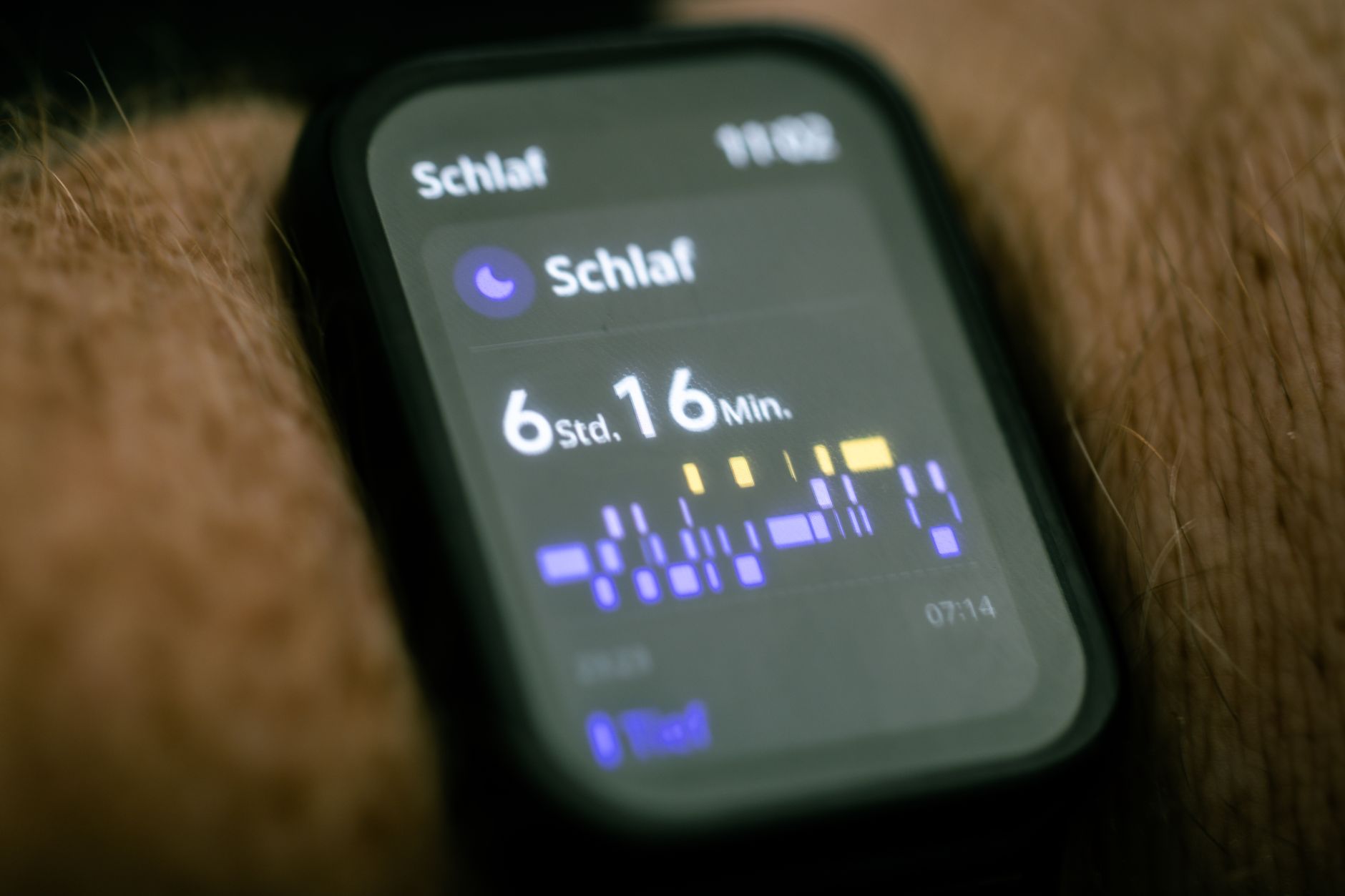
Most wellness products ask us to do more. Exercise more. Track more. Measure more. Take more supplements. Yet one of the biggest shifts in wearable wellness technology isn’t about adding more tasks to our daily lives—it’s about reducing effort while encouraging consistency.
As consumers become increasingly conscious of their health, they are also becoming more selective about how much time and attention they are willing to invest in maintaining it. The next generation of wellness products appears to recognize this reality by focusing on seamless integration into everyday life rather than demanding constant interaction.
This evolution raises an interesting question: Can the future of wellness be built around products that quietly fit into our routines instead of constantly asking for our attention?
The Evolution of Wearable Wellness
Wearable technology has come a long way over the past decade. Fitness bands counted steps. Smartwatches monitored heart rate and sleep. Smart rings began tracking recovery, stress, and readiness scores.
While these innovations provided valuable health data, many users eventually experienced “tracking fatigue.” Devices collected more information than ever before, but data alone did not necessarily translate into healthier habits.
Today’s conversation is gradually shifting from collecting information to supporting sustainable behaviour.
That shift represents a broader change in how consumers think about wellbeing.
From Active Tracking to Passive Support
One emerging trend in wearable wellness technology is passive support—products designed to become part of everyday life without requiring continuous interaction.
Rather than expecting users to constantly check dashboards or analyse charts, these products aim to integrate naturally into existing routines. The underlying philosophy is simple: when healthy behaviours require less effort, people are more likely to stick with them over the long term.
Behavioural science has long shown that consistency often produces better outcomes than occasional bursts of motivation. Small, repeatable actions generally outperform ambitious routines that are difficult to maintain.
The challenge, therefore, is not merely creating innovative wellness products but designing experiences that people can realistically continue using.
The Rise of “Invisible Wellness Adoption”
One pattern becoming increasingly visible across consumer health technology can be described as Invisible Wellness Adoption.
This concept refers to wellness products that succeed because they quietly blend into daily life rather than demanding constant attention.
Instead of asking users to make dramatic lifestyle changes, these technologies aim to reduce friction. Their value lies less in frequent engagement and more in becoming a natural part of everyday routines.
Whether in fitness, sleep management, stress reduction, or recovery, products that minimise complexity may enjoy stronger long-term adoption than those requiring continuous monitoring.
Looking Beyond Data Collection
For years, wearable devices competed by adding more sensors and generating more metrics.
Heart rate.
Sleep scores.
Blood oxygen levels.
Stress indicators.
Activity rings.
While these measurements can provide useful insights, numbers alone rarely change behaviour. Many users enthusiastically explore their statistics during the first few weeks before gradually abandoning the habit.
The future of wearable wellness technology may therefore depend less on producing additional data and more on helping users translate technology into sustainable routines.
Technology becomes truly valuable only when it supports behaviour rather than distracting from it.
A New Approach from ANF Care
One company exploring this direction is ANF Care, which has introduced a skin-applied wearable based on its proprietary frequency-coded design. According to the company, the product is intended to complement everyday wellness routines without requiring ingestion, inhalation, or chemical absorption.
The company describes its approach as supporting what it calls “BioCoherence”—a concept centred on balance, rhythm, and internal coherence.
These are the company’s own descriptions of its product and approach. As with many emerging wellness technologies, consumers should distinguish between wellness-oriented positioning and clinically established medical evidence. Independent scientific validation remains an important consideration whenever evaluating innovative health-related products.
Questions Every Consumer Should Ask
Before investing in any wearable wellness product, it is worth asking a few practical questions:
- What independent evidence supports the product’s claims?
- Is the product intended for general wellness or medical treatment?
- Does it encourage long-term habits rather than short-term excitement?
- Will it realistically fit into everyday life?
- Is the company transparent about what the product can—and cannot—do?
These questions apply regardless of the brand or technology involved.
Why Rhythm Matters
Modern lifestyles often disrupt natural daily rhythms. Long working hours, excessive screen time, irregular sleep schedules, and constant digital notifications can make maintaining healthy routines increasingly difficult.
This is one reason why many wellness companies are focusing on concepts such as consistency, recovery, and balance rather than simply measuring more biological signals.
Consumers are beginning to recognise that lasting wellbeing is rarely created by isolated interventions. Instead, it emerges from small, repeatable habits that align with everyday life.
Technology can support that journey—but it cannot replace it.
The Bigger Picture
The evolution of wearable wellness technology reflects a broader shift in consumer expectations. People no longer want devices that simply generate more information. They want products that fit naturally into their lives while encouraging healthier habits over time.
Whether every new wellness technology delivers on its promises remains an open question, and careful evaluation is always essential. However, the direction of innovation is becoming increasingly clear: convenience, simplicity, and sustainable behaviour are emerging as powerful competitive advantages.
The companies that succeed in the coming years are likely to be those that combine thoughtful design with transparency, credible evidence, and genuine value for users.

Final Thoughts
Wellness has never been about technology alone. It has always been about behaviour, consistency, and the choices we make every day.
As wearable wellness technology continues to evolve, its greatest contribution may not be collecting more data but helping people build healthier routines with less effort.
The future of wellness may belong to technologies that become almost invisible—not because they do less, but because they quietly support the rhythms of everyday life.
What matters most to you in a wellness wearable: measurable scientific evidence, ease of use, or the ability to become part of your daily routine?

Leave a Reply