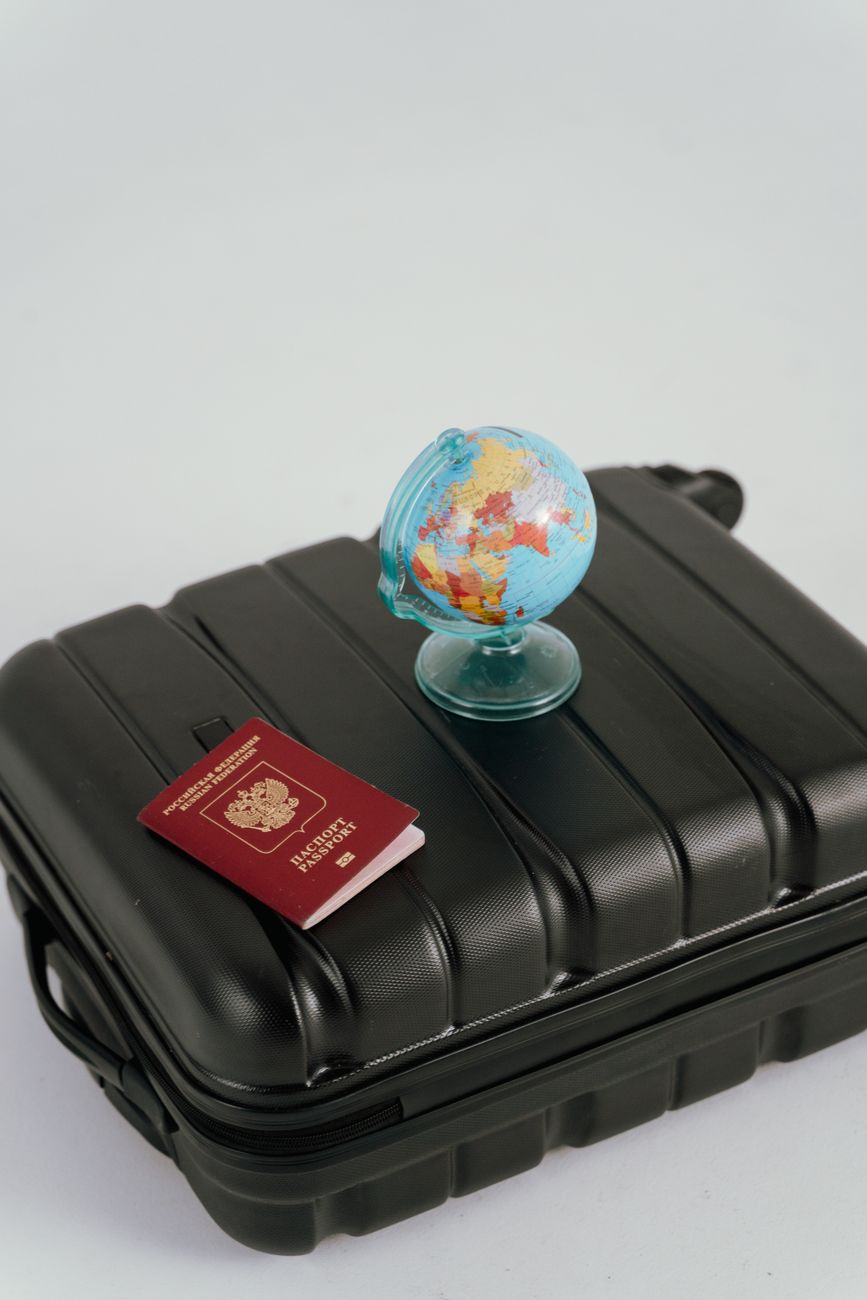
Passport Power 2026 Shows How Diplomacy Has Become the New Currency of Global Mobility
Passport Power 2026 is about much more than visa-free holidays. It reveals how countries build international trust over decades through diplomacy, economic cooperation, institutional credibility and stable foreign policy. While the annual rankings focus on travel access, they also offer a deeper view of changing geopolitical influence.
For years, discussions about global power centred on military capability, economic output or technological leadership. Yet the ability of citizens to cross borders with minimal restrictions increasingly reflects another kind of strength: the confidence other nations place in a country’s institutions and international relationships.
This is where the idea of Diplomatic Mobility Capital becomes useful. Nations accumulate this capital gradually through consistent diplomacy, reliable governance, reciprocal agreements and long-term partnerships. Unlike military power, it cannot be built overnight.
Passport strength mirrors diplomatic relationships
Visa-free agreements are ultimately expressions of trust. Governments only relax border restrictions when they believe travellers from another country pose limited security, immigration or compliance risks.
That means every additional visa waiver represents years—sometimes decades—of negotiations, confidence-building and policy alignment.
Countries with stronger diplomatic networks naturally tend to enjoy stronger passports.
Asia’s growing influence is no accident
One of the most striking long-term trends is the rise of Asian countries in global passport rankings as per Henley & Partners.
This reflects sustained investment in trade integration, regional cooperation, economic development and pragmatic diplomacy rather than sudden political shifts.
The growing prominence of Asian passports illustrates that geopolitical influence is increasingly becoming multipolar rather than concentrated in traditional Western powers.
Peace still matters—but it isn’t the whole story
Peaceful societies generally enjoy stronger passports because stability encourages international confidence.
However, there are notable exceptions.
Some countries maintain highly valuable passports despite lower peace rankings because they possess extensive diplomatic networks, economic importance or strategic geopolitical influence.
Conversely, peaceful nations without comparable diplomatic reach may still struggle to expand international mobility.
Passport power therefore emerges from multiple interacting forces rather than any single indicator.
The widening mobility divide
One of the most concerning trends is the expanding gap between the strongest and weakest passports.
As mobility opportunities increase for many countries, those facing prolonged conflict, institutional fragility or diplomatic isolation often fall further behind.
This creates a cycle in which reduced mobility can limit educational opportunities, international business expansion, talent exchange and foreign investment.
Mobility inequality thus becomes another dimension of global inequality.

Why businesses should pay attention
Global companies increasingly depend on international collaboration.
Executives travel frequently for investment discussions, conferences, client engagements and supply chain management.
When employees face lengthy visa procedures, business agility declines.
As a result, passport strength has become an indirect indicator of how easily businesses can participate in the global economy.
Investors increasingly value mobility
Wealth management is no longer focused solely on financial assets.
Many internationally mobile families now evaluate residency options, educational access, healthcare systems and geographic diversification alongside traditional investments.
The ability to relocate quickly has become part of long-term resilience planning.
Governments are competing differently
Traditional measures of national competitiveness include GDP growth, innovation and exports.
Increasingly, governments are also competing for international trust.
Countries that strengthen diplomatic relationships, improve governance and simplify international cooperation often create conditions that improve passport strength over time.
In this sense, passport rankings reward sustained institutional performance rather than short-term political success.
The future of global mobility
Artificial intelligence, digital identity systems and biometric border technologies may simplify international travel over the next decade.
At the same time, geopolitical tensions, regional conflicts and changing immigration policies could introduce new restrictions.
The future is therefore likely to feature both greater technological convenience and greater geopolitical complexity.
Countries that continue investing in diplomacy, institutional trust and international cooperation are likely to remain best positioned.
Looking beyond the rankings
Annual passport rankings attract headlines because they identify winners and losers.
However, their greatest value lies elsewhere.
They reveal how nations build influence through relationships rather than coercion.
They show that credibility can become a strategic asset.
And they remind us that freedom of movement reflects decades of diplomatic effort rather than temporary political events.
Understanding passport power through this broader lens offers richer insight into how global influence is evolving in an increasingly interconnected world.
Snippet
Passport Power 2026 refers to the relative strength of a country’s passport based on the number of destinations its citizens can enter without obtaining a prior visa. Beyond travel convenience, passport strength increasingly reflects diplomatic trust, institutional credibility and long-term geopolitical relationships.

Leave a Reply