India’s aesthetic medicine industry is entering a new phase, driven by growing demand for treatments that deliver visible results with minimal downtime. While new devices continue to enter the market, the more significant trend is the emergence of multi-application aesthetic platforms that combine multiple technologies into a single system. This shift is changing how dermatology clinics invest in equipment, streamline workflows and personalise patient care.
Rather than focusing on one treatment or one device, clinics are increasingly looking for integrated solutions that can address a wide range of skin concerns. This evolution reflects a broader transformation in cosmetic dermatology, where efficiency, flexibility and patient experience are becoming just as important as clinical outcomes.
The Rise of the Platform Consolidation Effect
A useful way to understand this transition is through what can be called the Platform Consolidation Effect—the movement from multiple specialised machines to integrated platforms capable of delivering diverse aesthetic treatments through one system.
In the past, a clinic might have needed separate equipment for laser hair reduction, pigmentation correction, skin resurfacing, tattoo removal and vascular lesions. Today, integrated systems allow practitioners to perform many of these procedures using a single platform.
The advantages extend beyond reducing the number of machines in a clinic. They include:
- Improved utilisation of equipment
- Simplified staff training
- Greater treatment flexibility
- Lower operational complexity
- More personalised treatment planning
As aesthetic practices expand, these operational benefits can become just as valuable as clinical performance.
Why Indian Dermatology Clinics Are Changing
India has become one of the world’s fastest-growing markets for aesthetic medicine. Rising disposable incomes, greater awareness of cosmetic procedures and increasing acceptance of non-invasive treatments have all contributed to this growth.
Patients today expect procedures that fit into busy lifestyles. They want improvements in skin quality without extended recovery periods. Conditions such as acne scars, pigmentation, vascular lesions, signs of ageing and unwanted hair often require different treatment approaches, making integrated technology increasingly attractive.
For clinics, investing in versatile platforms can also improve appointment scheduling and reduce dependence on multiple standalone devices.
Technology Is Becoming an Ecosystem
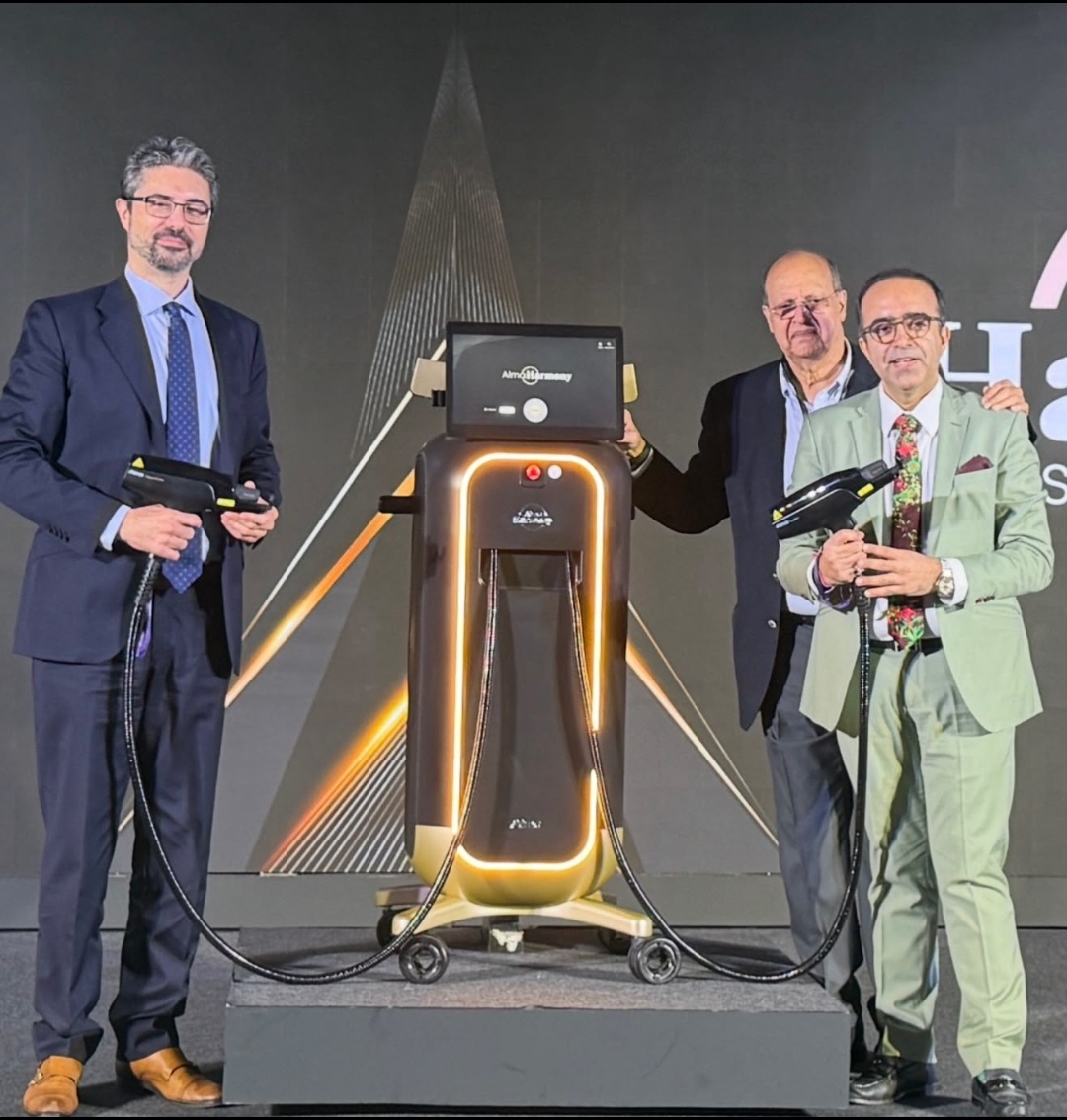
One of the latest examples of this trend is the introduction of the Alma Harmony™ platform by Alma Lasers in India.
Unlike traditional single-purpose devices, the platform combines laser and light-based technologies to support multiple procedures, including skin rejuvenation, acne and acne scar treatment, pigmentation correction, vascular lesion management, tattoo removal, hair reduction and skin resurfacing.
The launch reflects a broader industry movement towards technology ecosystems rather than isolated products.
Industry Perspective
Speaking at the launch, Manoj Gogia highlighted the growing expectations of practitioners:
“India has become one of the fastest-growing markets for aesthetic medicine. Doctors today require technology that is flexible, reliable and easy to integrate into their daily practice. Alma Harmony™ has been designed to meet those expectations while delivering high standards of safety and treatment outcomes across different skin types.”
His comments underline an important industry reality. Clinics are no longer evaluating equipment solely on technical specifications. Ease of integration, workflow efficiency and long-term usability have become equally important purchasing considerations.
Clinical Confidence Matters
Technology alone does not determine successful treatment outcomes. Clinical expertise, patient selection and evidence-based protocols remain essential.
According to Dr. Rohit Batra:
“In aesthetics one should always opt for treatment through machines which are approved globally and are time tested. Alma Harmony has been a result-oriented platform and has evolved over years to give great consistent results.”
This highlights another emerging trend within aesthetic medicine. Practitioners increasingly favour technologies that combine innovation with established clinical validation rather than pursuing novelty alone.
Beyond Equipment: Improving the Patient Experience
Integrated aesthetic platforms also influence the patient journey.
When multiple treatment options are available within a single system, practitioners can tailor procedures according to individual skin conditions, treatment goals and skin types. Patients may also benefit from:
- More personalised treatment plans
- Shorter recovery periods
- Greater treatment consistency
- Improved comfort during procedures
- Reduced need for multiple appointments using different devices
As patient expectations continue to evolve, these experience-driven factors are becoming increasingly important differentiators for clinics.
Multi-application aesthetic platforms and The Future of Cosmetic Dermatology
The next stage of innovation in aesthetic medicine is unlikely to be defined solely by more powerful lasers or additional treatment modes.
Instead, success will increasingly depend on how effectively technologies work together within integrated platforms that support practitioners, improve workflow and deliver consistent patient outcomes.
Artificial intelligence, digital treatment planning and data-driven personalisation are also expected to complement these platforms in the coming years, creating smarter and more connected clinical environments.

Why This Matters
The launch of Alma Harmony™ is more than the introduction of another aesthetic device. It reflects a broader shift in how dermatology clinics approach technology investment.
The industry’s focus is moving from buying more machines to building integrated treatment ecosystems capable of supporting diverse patient needs while improving operational efficiency.
That transition could reshape cosmetic dermatology in India over the coming decade.
Final Thoughts
The Platform Consolidation Effect is likely to become one of the defining trends in aesthetic medicine. As patient expectations continue to rise and clinics seek greater efficiency, multi-application aesthetic platforms may become the preferred model for delivering safe, personalised and minimally invasive skin treatments.
The real innovation is not simply adding more technology—it is making technology work together more intelligently.
What do you think? Will integrated multi-application platforms become the standard for dermatology clinics in India, or will specialised standalone devices continue to play an important role?

Leave a Reply