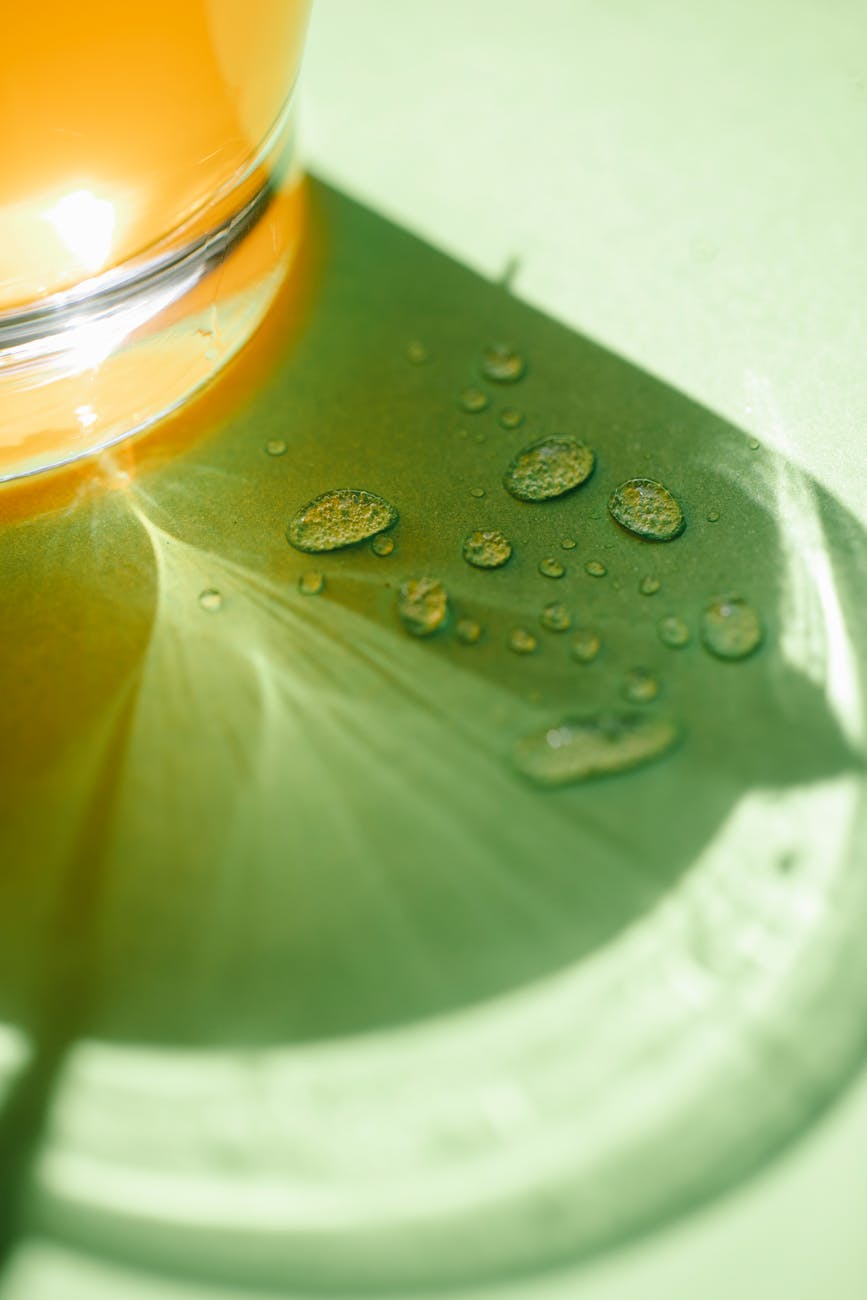
जिसके भीतर प्यास होती है, उसे ही जल दीखता है।
प्यास न हो तो जल सामने रहते हुए भी दीखता नहीं।— Hindi philosophical aphorism
I stood at the edge of the river
for a long time
without seeing it.
The water was there —
I know this now —
running silver and patient,
carrying its old syllables downstream,
speaking in the grammar of stones,
holding the sky in its surface
like an open hand.
But I stood there
with my eyes open
and saw nothing.
Not blindness.
Something quieter than blindness.
A stillness inside
where the wanting used to live.
⋅ ⋅ ⋅
There was a time I knew thirst
I was younger then,
or perhaps just more honest
with my own emptiness.
I remember walking across a dry summer field —
the earth cracked in long, pale lines
like a map of everything that had been withheld —
and how the smell of distant water
reached me before the water did,
and how I felt it
in the back of my throat first,
then in my hands,
then in the part of my chest
that had forgotten
how to open.
That day, the river appeared to me
like a revelation.
Not because it had arrived.
But because I had.
⋅ ⋅ ⋅
They say the seed knows nothing of the tree.
Only the ache to break.
Only the pressure of wanting,
pushing outward,
splitting the shell
not with knowledge
but with need.
And in that breaking —
in that small, violent becoming —
the soil receives what it had always contained,
the root finds what was always there
waiting in the dark
for something desperate enough
to arrive.
⋅ ⋅ ⋅
I think about this —
how the world is endlessly speaking,
and how little of it we hear.
Not because the world grows quiet.
Not because the stars stop burning
or the wind forgets its ancient wandering
or the rivers cease their long confession
to the sea.
The world does not withhold.
It never has.
It is we who close —
slowly,
the way a room closes
when no one opens the windows,
the way a language dies
when no one speaks it
to their children
anymore.
⋅ ⋅ ⋅
The mystics understood this
They wore their longing
like a second skin —
threadbare, visible,
without shame.
They fasted not to punish the body
but to sharpen it,
to make of hunger
a finer instrument,
to teach the eye
that fullness is a kind of blindness
and only the hollow vessel
can carry what it seeks.
Rumi’s reed —
torn from the reed bed —
did not become music despite the wound.
It became music because of it.
The hollow was the whole point.
The separation was the tuning.
⋅ ⋅ ⋅
And what of us —
those of us who are neither mystics
nor wanderers,
who have simply
grown comfortable
in our accustomed rooms,
surrounded by the quiet accumulation
of enough?
We forget to thirst.
Not in a single moment.
Not in one catastrophic act of forgetting.
But slowly,
the way the river of longing
silts up
with small satisfactions —
each one harmless,
each one a grain of sediment,
until the channel narrows
and the flow grows shallow
and one day
we are standing
at the edge of the actual river
and seeing nothing.
⋅ ⋅ ⋅
I have known people
who live beside the sea
and no longer hear it.
I have known people
who love someone
and no longer see them —
not because the love is gone,
but because the wanting
has grown so familiar
it has become invisible,
a furniture of the soul,
useful but unnoticed.
I have been this person.
I have stood in the middle of my own life
as it moved around me
with the full generosity of the living world —
the particular blue of an October evening,
the sound of rain beginning on a dry roof,
a child’s face turned toward me
in the exact gesture of trust —
and I have not seen it.
Not because I was cruel.
Not because I was broken.
Only because
I had, for a time,
forgotten how to want.
⋅ ⋅ ⋅
There is a moment —
and you will know it if you have lived long enough —
when the numbness announces itself.
Not loudly.
Nothing so dramatic as despair.
Just a quietness
where the ache used to be.
A flat, pale feeling
where colour had been.
The sense of watching your own life
from a careful distance,
as though it belongs
to someone slightly more alive.
That is the moment
to be afraid.
Not of death.
Not of loss.
But of this —
this painless removing of yourself
from your own experience,
this elegant departure
from the territory of wanting.
⋅ ⋅ ⋅
The water does not disappear
when we stop seeing it.
The stars do not recede
because we stop looking up.
The river does not choose
to pass a sealed house
in silence.
It speaks.
It always speaks.
But only the open ear —
scraped clean by longing,
made keen by the honest admission
of its own insufficiency —
can hear
what the river has been saying
all along:
Come.
Come as you are —
empty, aching, insufficient.
Come without answers.
Come with your need held open
like an upturned palm.
That is enough.
That has always been enough.
The water is here.
It was always here.
Only the thirsty see it.
⋅ ⋅ ⋅
I stood again at the river
after a long time away.
Not the same river.
Not the same man.
Something in me had been scoured out —
by what, exactly, I cannot say —
perhaps simply by the accumulated weight
of years in which I had not looked carefully,
had not paused,
had not allowed myself
the vulnerable business
of genuinely wanting.
And in that scouring,
something opened.
A small, raw, necessary space —
the way the earth opens
before the first rain,
not wide,
not dramatic,
just — available.
Ready, in the old sense.
Prepared by absence.
Made capable
by need.
⋅ ⋅ ⋅
I stood at the river
and this time I saw it.
Not the facts of it —
not its width, its speed,
the particular green of algae on its stones.
But the river itself —
its long patience,
its ancient willingness
to receive everything
and release everything,
its way of being
perpetually in motion
and perpetually itself,
its quality of being
deeply, quietly,
full.
I stood there
and something in my chest
that had been sealed for a long time
cracked open —
not with violence,
but with the slow,
irresistible certainty
of a seed
that has waited long enough
and finally
decides to begin.
⋅ ⋅ ⋅

I do not know
if thirst can be willed into being.
I do not know
if longing is a choice
or something that happens to us
like weather,
like
light,
like the sudden arrival of a season
we had stopped expecting.
But I know this —
the river is never absent.
The water is never elsewhere.
The world is not withheld from us.
Only the thirst withholds us
from the world.
And so I keep returning
to the practice of wanting —
not grasping,
not clutching,
and, not the desperate hunger
of the untethered —
but the quiet,
deliberate cultivation
of genuine ache.
The choosing to stay open.
The discipline of noticing.
The willingness to say,
again and again,
with the humility of a dry riverbed
in the long season before monsoon:
I need this.
I do not have
enough.
I am here,
and I am thirsty,
and I am looking.
⋅ ⋅ ⋅
And in that looking —
in that small, faithful act
of turning toward the world
with honest emptiness —
the water arrives.
It was always arriving.
Only now
there is someone
here
to see it.

Leave a Reply